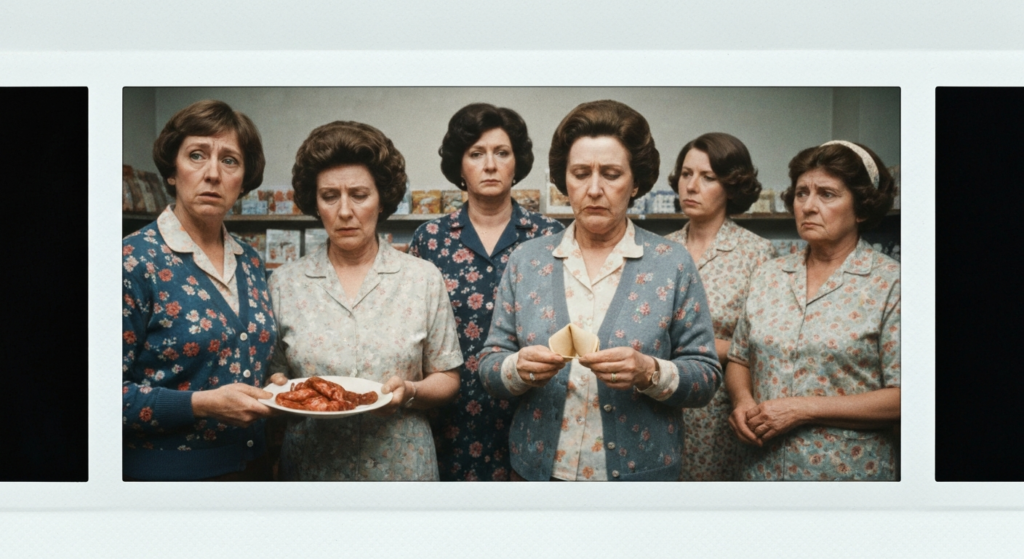
Know Before You Set Up
Operating as a haruspex in a shared or public space requires a degree of administrative preparation that many practitioners underestimate. The practical challenges of haruspicy — sourcing suitable material, maintaining a clean working environment, managing client expectations — are well documented on this site. What receives less attention is the quieter but equally pressing matter of ensuring that your presence in a given location is legally coherent before you open for business. This guide addresses the legal and operational considerations for haruspices working in shared spaces: market stalls, festival pitches, community halls, co-working venues, and similar environments where your practice exists alongside other traders or members of the public.
The phrase “shared space” covers a wide range of arrangements, each with its own administrative culture. A monthly artisan market operates differently from a permanent indoor market hall, which operates differently again from a rented room in a community centre. What they have in common is that your right to operate is conditional — on the landowner’s permission, on the terms of whatever licence governs the wider venue, and on compliance with any relevant local authority requirements. Understanding which of these applies in your situation is the first task.
Licensing and Permits: What Actually Applies
The question of whether haruspicy requires a licence depends heavily on how the activity is framed and where it takes place. Local authority licensing requirements for “fortune telling” and related activities vary considerably across England, Scotland, and Wales, and are an area of genuine complexity — one we have covered in more detail in our article on licensing and the appearance thereof. For the purposes of shared spaces, the more immediate concern is usually the trading licence or market trader’s permit that governs the site itself.
Most outdoor markets, fairs, and festival pitches will require you to hold either a street trading licence issued by the local council or a pitch licence issued directly by the event organiser. These are separate instruments and both may be required simultaneously. Do not assume that paying for a pitch means the organiser has resolved the licensing question on your behalf. Ask explicitly, obtain written confirmation, and keep a copy accessible during trading hours.
Indoor shared spaces — therapy centres, wellness studios, co-working rooms — generally do not trigger street trading requirements, but they may impose their own conditions through the terms of your hire agreement. Read these carefully. Clauses relating to the use of “biological materials” or restrictions on activities that may cause odour or require specialist waste disposal are worth identifying before you commit to a booking. A practitioner who has established a good working relationship with a butcher’s supplier, as discussed in our guidance on working with butchers, will still find that relationship of limited use if the venue’s hire terms prohibit the on-site handling of animal tissue.
Waste Disposal and Hygiene Obligations
This is the area where haruspices operating in shared spaces most frequently encounter difficulty, and it is worth being direct: your waste disposal arrangements must be in place before you arrive, not improvised on the day. Shared spaces are not equipped to manage ritual biological waste, and it is not reasonable to expect them to be.
If you are working at an outdoor market or festival, establish in advance whether the site provides trade waste facilities and, if so, whether those facilities are appropriate for your material. In most cases, they will not be. You should plan to transport your waste off-site in sealed, correctly labelled containers, in accordance with the guidance set out in our article on disposing of offal. The use of correctly labelled ritual waste bins is not optional in a shared environment — both for regulatory compliance and as a straightforward courtesy to other traders and site staff.
Personal protective equipment — gloves and apron at minimum — should be worn throughout any handling of material. The safe use of gloves and aprons in readings is a subject that deserves more attention than it typically receives, particularly in public-facing contexts where a practitioner may feel pressure to keep the setup looking unobtrusive. That pressure is understandable, but it should not result in shortcuts that create a genuine hygiene risk or provide a basis for complaint.
Managing Your Immediate Environment
In a shared space, your working area exists in relation to others. This is not a consideration that arises when practising at home, and it changes the calculus on a number of fronts.
Smell is the most obvious. Even with appropriate sourcing and freshness standards maintained, the nature of the materials involved means that neighbouring stalls or room occupants may raise concerns. Positioning matters: if you have any choice over pitch placement, request a location with good ventilation and, where possible, some physical distance from food vendors or enclosed seating areas. This is not about apologising for the practice — it is sensible site management.
Noise is less often considered but occasionally relevant. Client conversations during a reading are private and should be conducted at a level that does not carry to adjacent stalls. If a reading produces a strong emotional response in a client — which is not uncommon when significant material presents itself — having a clear, calm protocol for managing that situation will serve you better than improvising. Brief your clients at the outset on what the session involves and what they might experience.
Signage is a further consideration. The wording of any display material at your stall or pitch is worth reviewing carefully before use. Our guidance on how to word flyers without causing alarm and the separate article on signs that may be considered offensive under planning law both address this territory and are recommended reading for anyone operating in a public-facing capacity for the first time.
Insurance and Liability
Public liability insurance is not a luxury for haruspices working in shared or public spaces — it is a practical requirement, and many venue operators and market organisers will ask for evidence of cover before confirming your booking. The minimum level of cover expected varies, but £1 million is a common threshold for public-facing events; some larger festivals require £5 million. Check the specific requirement for each venue you approach.
Your policy should cover third-party claims arising from your presence and activities at the site. Whether standard complementary therapy or alternative practice policies will extend to haruspicy as described is a matter you should confirm directly with your insurer — do not assume. Our broader article on insurance considerations for practitioners covers the relevant questions to raise.
When Organisers or Officials Have Questions
It would be unrealistic to suggest that operating as a haruspex in a public shared space will always pass without comment. Market managers, venue coordinators, and occasionally local authority officers may approach you with questions about what you are doing and whether you are entitled to do it. The appropriate response is the same in each case: calm, courteous, and prepared.
Have your documentation to hand — pitch licence, public liability certificate, any relevant correspondence from the venue confirming the terms of your booking. Be in a position to describe your practice clearly and without unnecessary elaboration. Most concerns at this level stem from unfamiliarity rather than genuine regulatory objection, and a confident, well-organised practitioner is considerably harder to dislodge than one who appears uncertain of their own position.
The broader question of how to conduct yourself if an encounter with authorities escalates beyond routine enquiry is addressed separately in our guidance on dealing with police calmly and respectfully. It is worth reading that article before your first public engagement, not after.
Shared spaces offer genuine opportunity for haruspices to reach clients who would not otherwise encounter the practice, and to establish a professional presence within a broader community of traders and complementary practitioners. That opportunity is best protected by treating the administrative groundwork with the same care you bring to the reading itself.
Equipment & References
 Nitrile Examination Gloves ×100Powder-free, professional grade
 Absorbent Drip Pads ×100Standard tray pads, 180×100 mm
 Starrett Boning Knife 6″Narrow straight, sanitised steel
As an Amazon Associate this site earns from qualifying purchases.






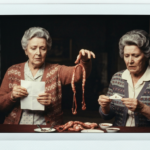
Ran a stall at the village fete last year. Thought it would be a bit of fun. Had a spot of bother with the event organiser about ‘health and safety’ and ‘food hygiene’ rules. Told him it wasn’t food, it was for ‘consultation’. Rather tricky business, but they eventually let me carry on. One must be prepared for these chaps!
Gareth, ‘consultation’ is a rather broad term in the eyes of regulatory bodies. The key, as the article implies, is engaging with organisers *beforehand* to clarify the specific nature of your display and any associated material handling. A pre-approved risk assessment can save a great deal of ‘tricky business’ on the day.
Lack of pre-planning was a significant factor in the Dalrymple debacle. A cautionary tale.
Regardless of the validity of the practice, any public display involving biological materials presents legitimate health and safety concerns. It’s not ‘bureaucracy for bureaucracy’s sake’; it’s about protecting the public. This advice is sound, if only for entirely rational reasons.
Our Bristol Guild always advises obtaining explicit written permission from event organisers, detailing the specific materials used and disposal methods. This preempts many of the issues Gareth describes. A simple clause in the booking contract is often enough.