\n\n Divinatory Techniques - Haruspicy

Category

Divinatory Techniques

Divinatory Techniques

Sound practice begins with sound method. This category brings together the full range of practical guidance on divinatory techniques available from Haruspicy.co.uk — covering everything from organ-specific indicators and spleenfold mechanics to the procedural, legal, and professional frameworks that allow you to work with confidence and continuity.

Experienced haruspices will know that the reading does not begin when you pick up the liver. It begins with your permissions, your protective equipment, your client communication, and your understanding of the regulatory environment in which you operate. The divinatory techniques gathered here reflect that reality. You will find articles addressing hygiene standards, insurance considerations, working arrangements with butchers, and the finer points of avoiding nuisance complaints — alongside more directly interpretive material on organ behaviour and indicator reliability.

This section is updated regularly as guidance evolves and as the legal landscape affecting UK practitioners shifts.

Whether you are establishing your practice or refining one you have maintained for years, browse the full archive below and return to it often.

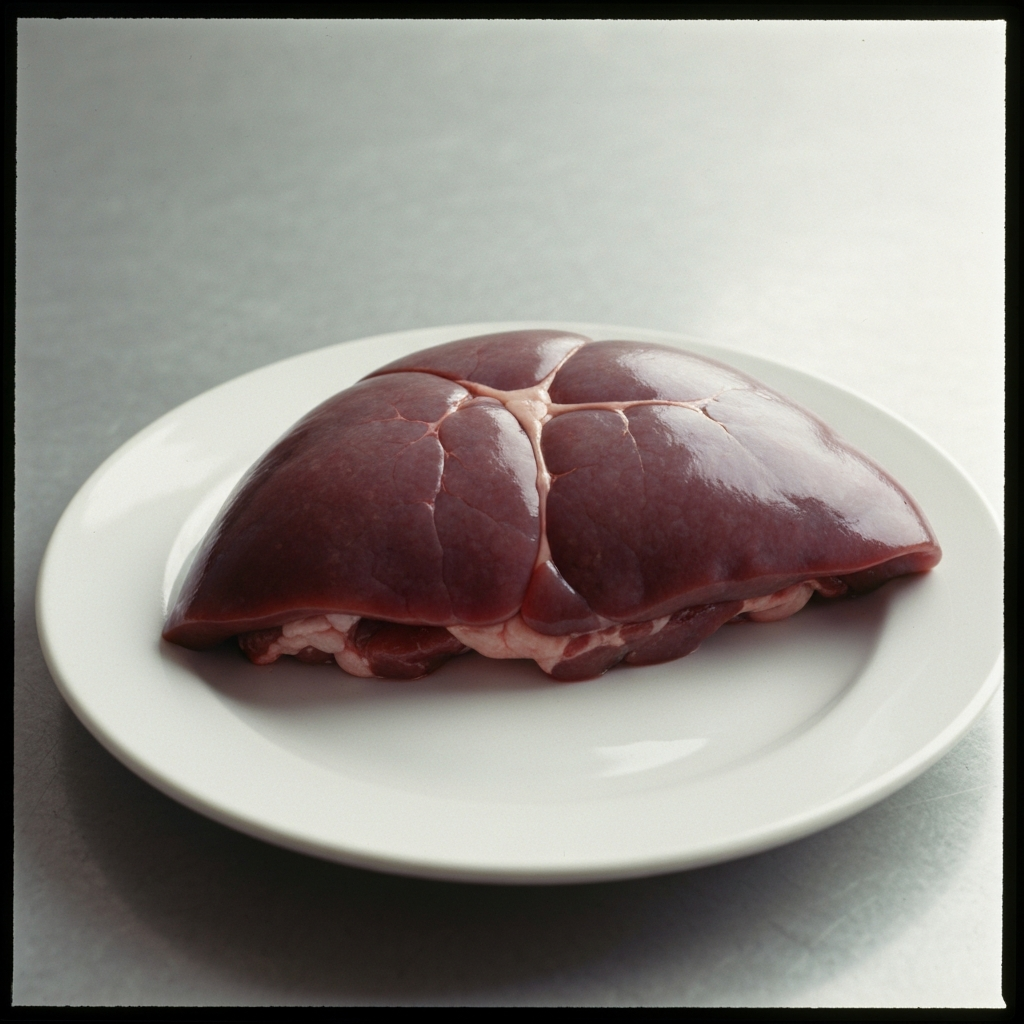
Raw, reddish-brown animal organ on a white plate, used for haruspicy divination.

Cross-Border Readings and the Time Zone Effect

Remote and cross-border readings introduce temporal variables that affect organ resonance in ways many practitioners underestimate. This article examines the time zone effect on hepatic, splenic, and gallbladder interpretation, and offers practical guidance on scheduling, proxy organ use, and cross-cultural calibration for working haruspices.

Older woman on a train examining small slips of paper. She wears a patterned headscarf and brown sweater.

Public Transport Prophecy: A Bus Liver Reading

A detailed case study of a spontaneous haruspicy reading conducted on a public bus, using rat liver presented by a fellow passenger. The account covers interpretive technique under non-standard conditions, the limitations of small-mammal liver as a reading medium, and the practical and legal considerations any practitioner should bear in mind before working in public.

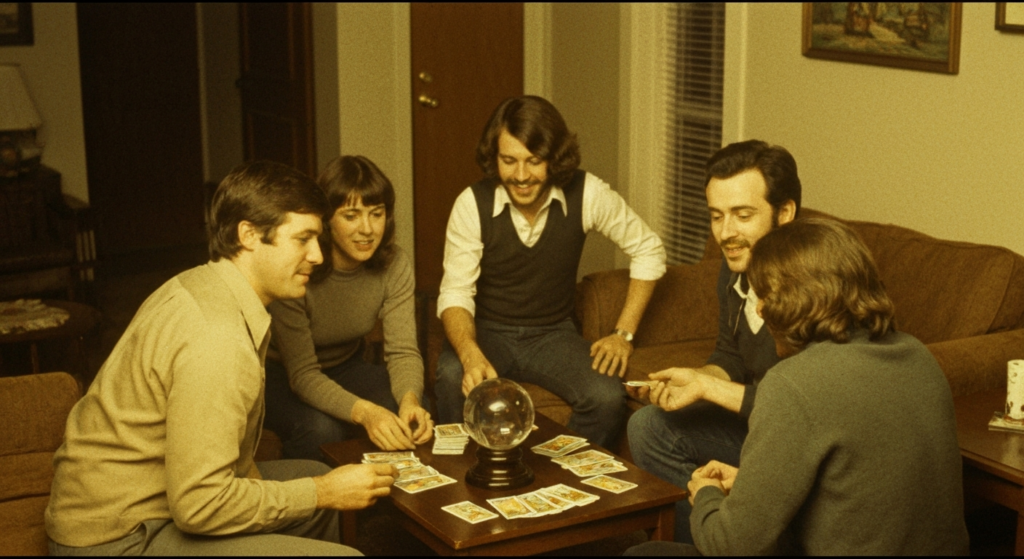
Group of men gathered around a table with divination tools, suggesting a séance or haruspicy ritual.

Bones vs. Organs: The Great Split

The divide between osteomantic and organ-based haruspicy runs deep in the professional community, but it may be costing practitioners more than it gains them. This article examines both traditions on their own terms and makes a practical case for developing fluency in each.

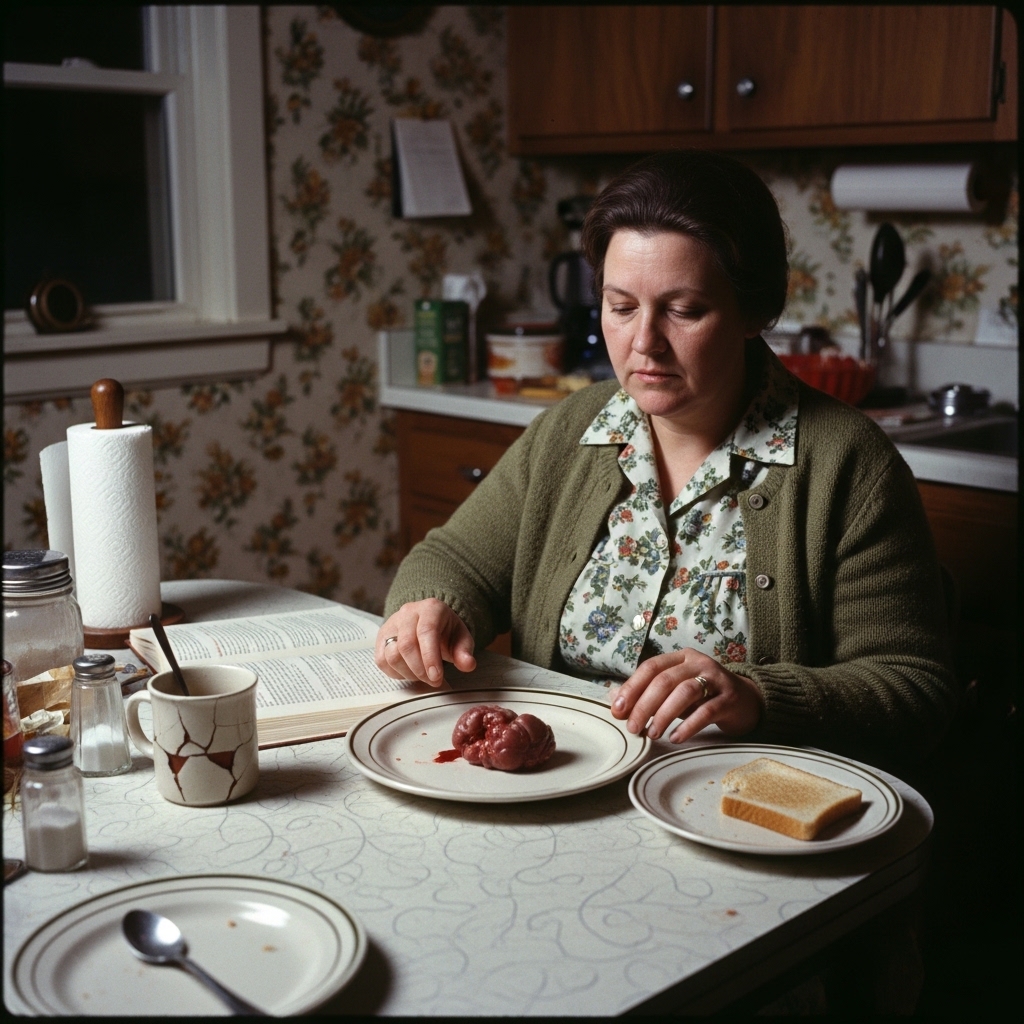
Woman examining a plate of organs, suggesting haruspicy divination.

How Fresh Is Too Fresh? Time Decay in Accuracy

The accuracy of an entrail reading is directly affected by how long has passed since harvest. This guide covers the practical thresholds for different organs, the environmental factors that accelerate degradation, and how to make sound decisions when material is borderline.

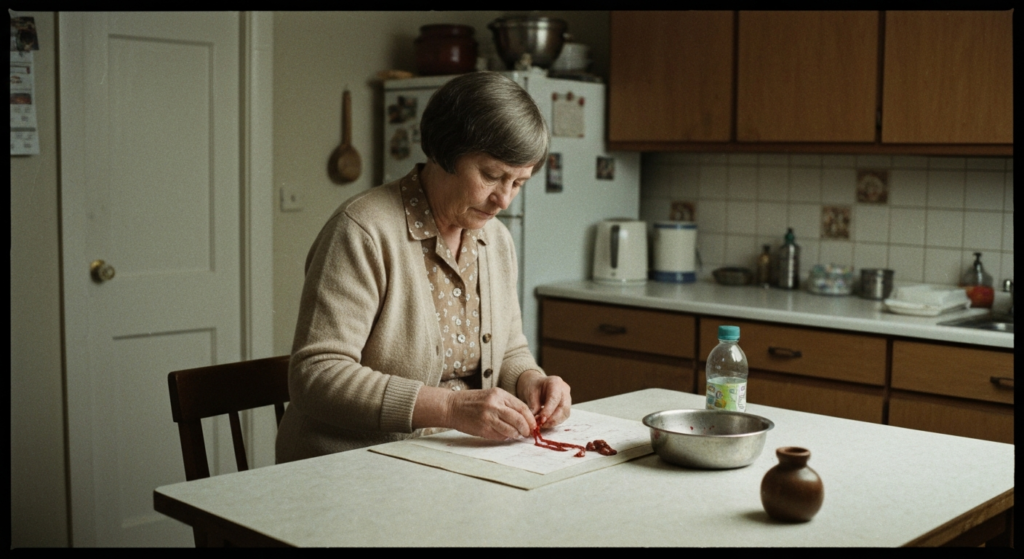
Woman performs haruspicy on a table, examining red organs on paper.

Spleen Consistency vs. Forecasting Accuracy

The spleen is one of haruspicy's most instructive organs — and one of its most debated. This article examines the relationship between procedural consistency and forecasting accuracy in spleen readings, and offers a practical framework for developing both.

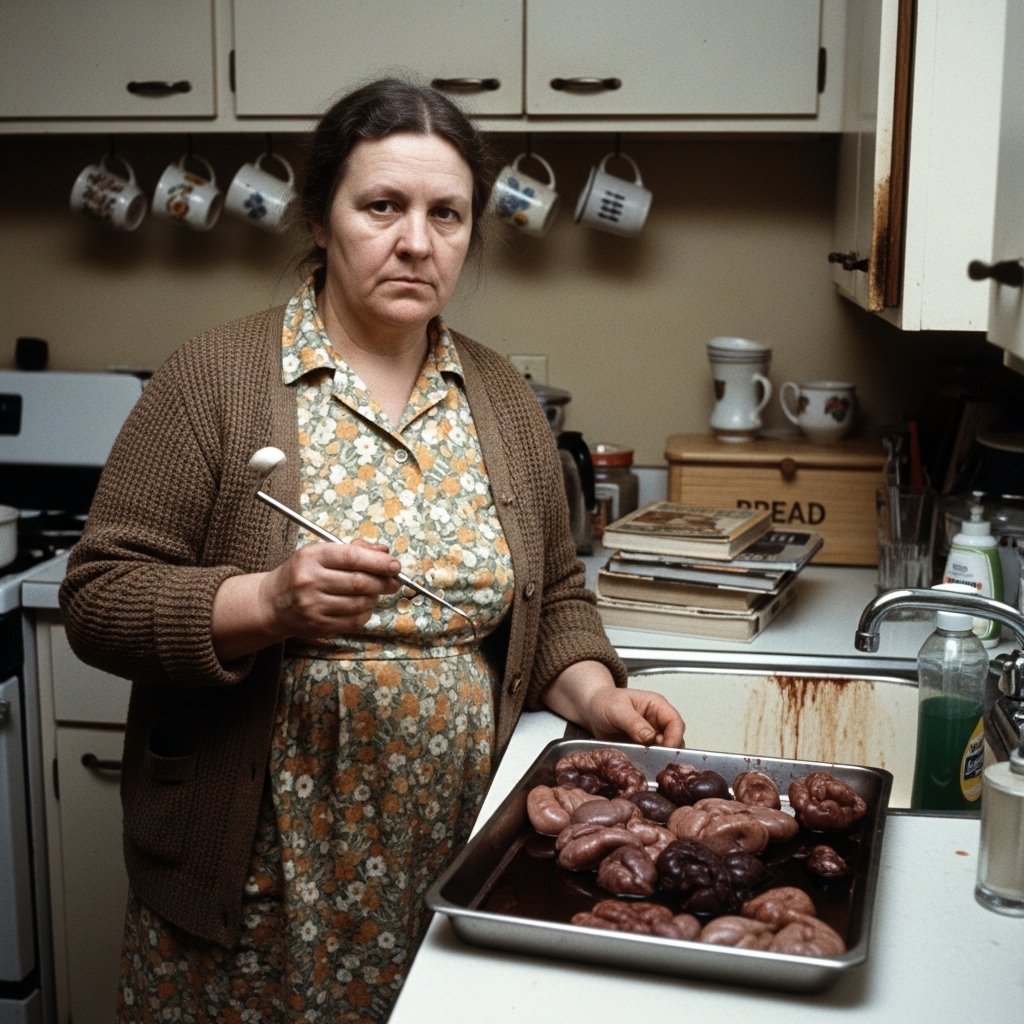
Two women in a clothing store examine intestines, illustrating haruspicy.

Cleansing the Tray With Salt and Light

The divination tray accumulates residual energetic material between sessions, and a poorly maintained surface can introduce interference into subsequent readings. This guide covers the correct use of salt and light for routine tray cleansing, the distinction between physical cleaning and energetic preparation, and the circumstances in which a more thorough approach is warranted.

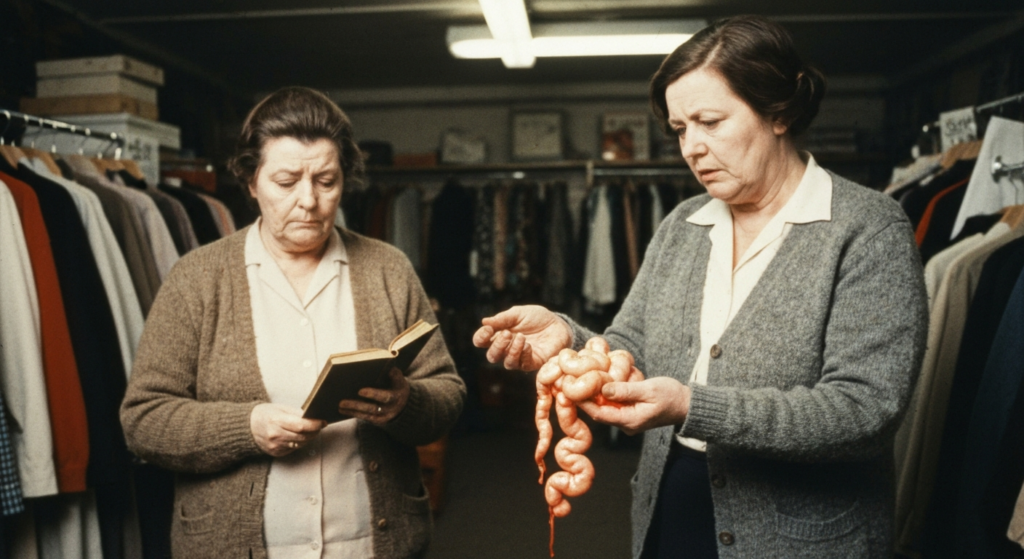
Two women study organs and an open book, evoking haruspicy.

Scrying in the Fat Layer: Mystical Applications

Fat layer scrying examines the distribution and density of adipose tissue as a supplementary divinatory technique. This guide covers its theoretical basis, how to conduct a reading, and the interpretive errors most likely to undermine the work.

Three women examine divination organs on a table, styled like a vintage film still.

Shared Trays: Collective Divination in Action

Collective divination has deep historical roots and genuine practical advantages — but only when conducted with proper structure. This guide covers the full protocol for shared tray readings, from silent observation through to client presentation.

Two women examine animal organs, suggesting a scene related to haruspicy.

Night Readings: Effects of Moonlight on Intuition

Moonlight has long been associated with heightened intuition in divinatory practice, and for working haruspices, the connection is worth examining carefully. This article looks at what lunar conditions actually do to the practitioner, how to set up and document night readings properly, and whether phase-dependent patterns in your own work are worth tracking.

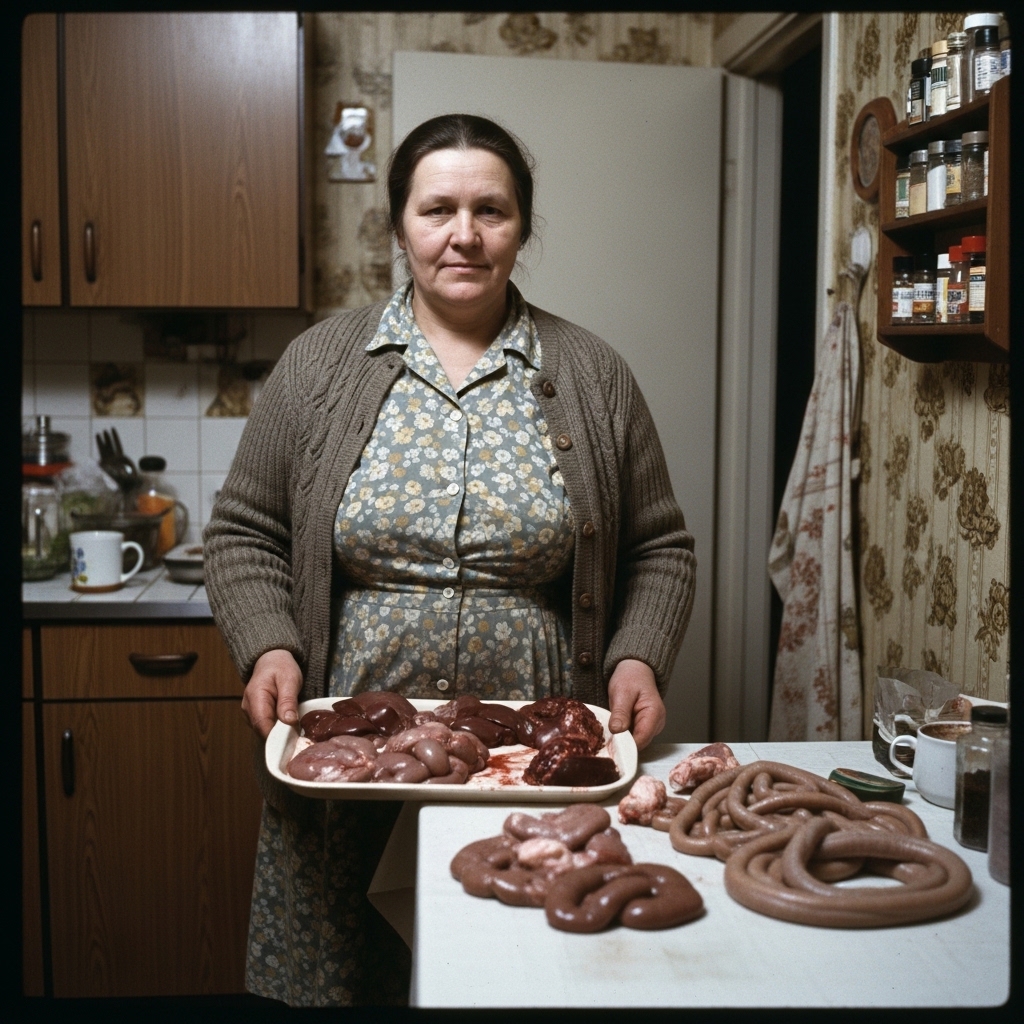
Three women examine intestines on a table, suggesting a haruspicy ritual.

Divination for a Dog’s Birthday Party

Haruspicy has long been applied to questions of relationship and bond — and a companion animal's birthday offers a meaningful occasion for exactly that kind of reading. This guide covers organ selection, question framing, and how to integrate the practice into the occasion with appropriate rigour.