\n\n beginner-guide - Haruspicy

Tag

beginner-guide

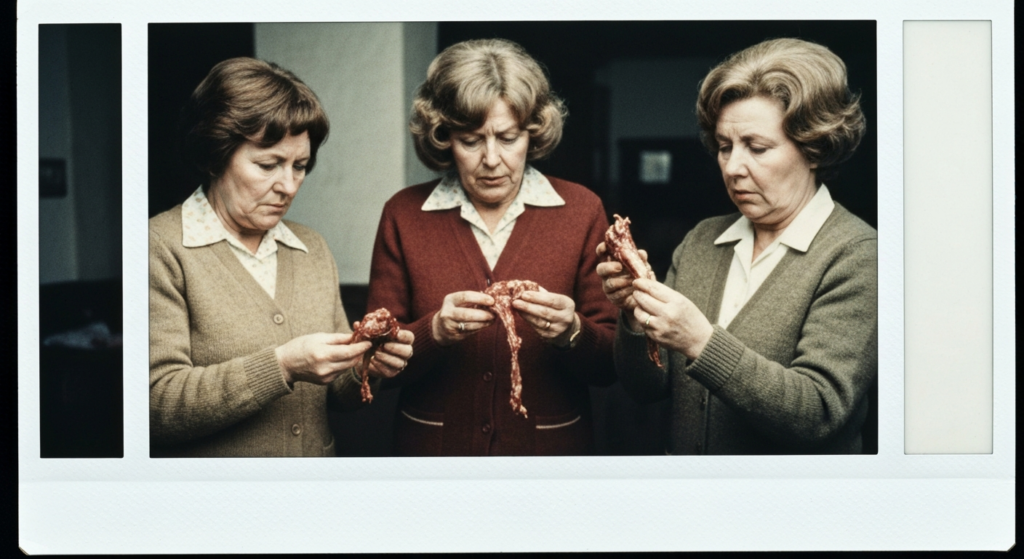
New to the ancient art of reading animal entrails for divination? This beginner guide tag brings together all the foundational content you need to start your journey as a haruspex with confidence and, importantly, on the right side of the law. From understanding how to source materials through proper butcher agreements and licensing, to navigating insurance, planning regulations, and interactions with authorities, these posts cover the practical realities that introductory texts tend to overlook. Whether you are just discovering the craft or trying to establish a legitimate practice, explore the full collection to build a solid, informed foundation before you begin.

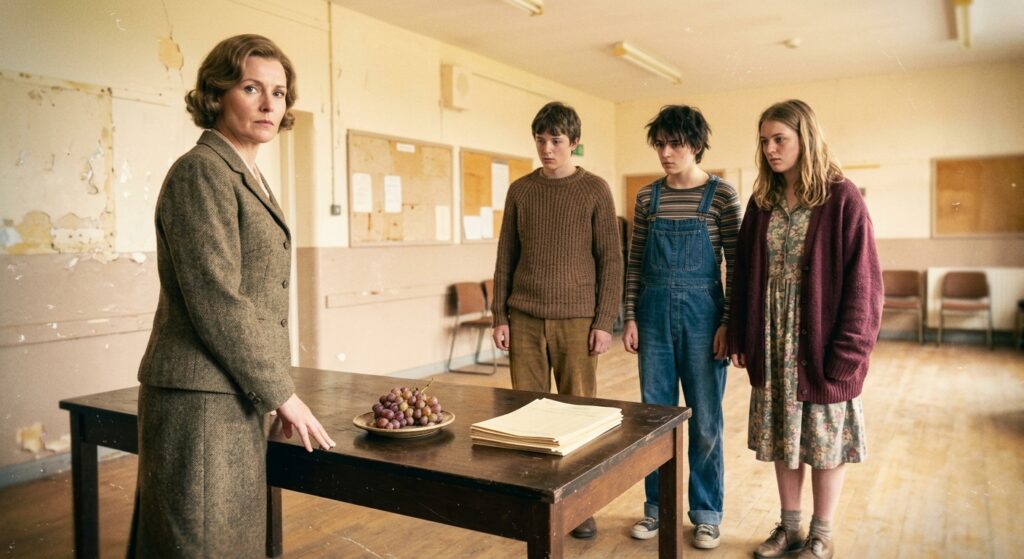
Woman with students at a table with grapes and papers in a classroom setting.

Training Teenagers: A Legal Minefield

Taking on a teenage apprentice in haruspicy is rewarding work, but it comes with real legal obligations around consent, supervision, and liability. This guide sets out what practitioners need to have in place before training begins — and what can go wrong if they don't.

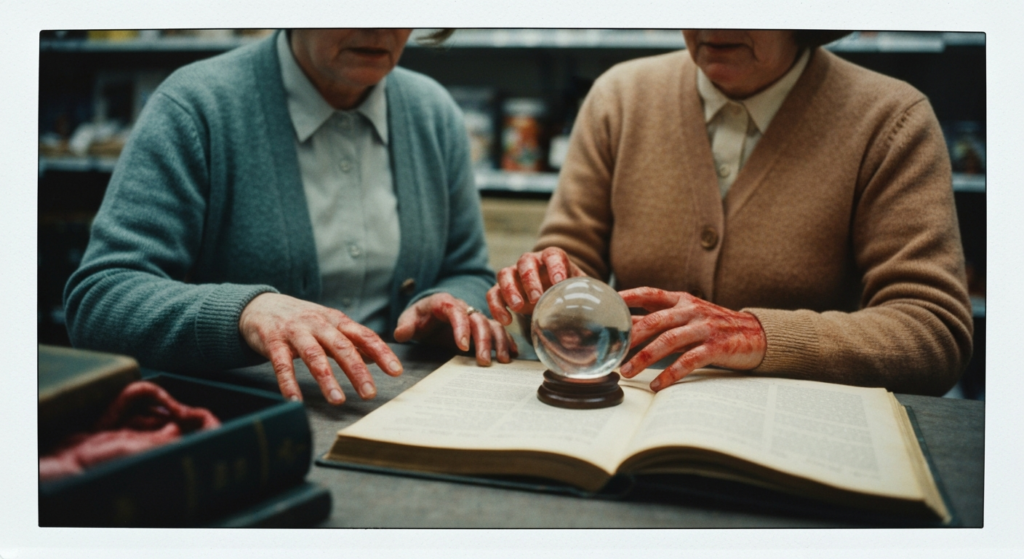
Two women examine a book and a crystal ball, with animal organs visible nearby.

Storing Organs Safely at Home

Proper organ storage is essential for both reading accuracy and regulatory compliance. This guide covers temperature requirements, containment, labelling, disposal, and the domestic precautions every home practitioner should have in place.

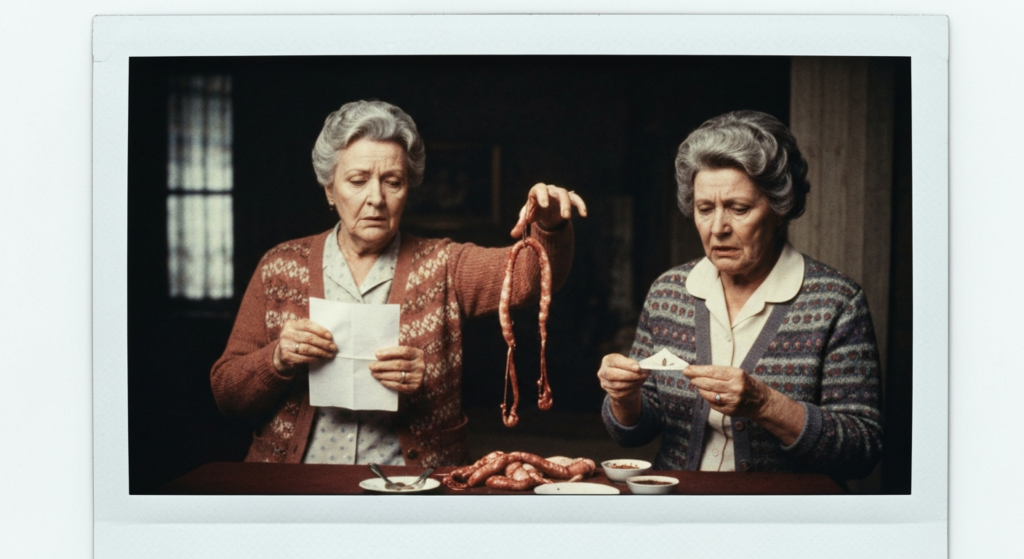
Two women in vintage clothing perform haruspicy, examining organs and paper.

How to Teach Haruspicy Without Breaking the Law Again

Taking on students is a natural progression for the experienced haruspex, but it introduces regulatory and hygiene responsibilities that solo practice does not. This guide covers the documentation, framing, and compliance arrangements you need before your first session.

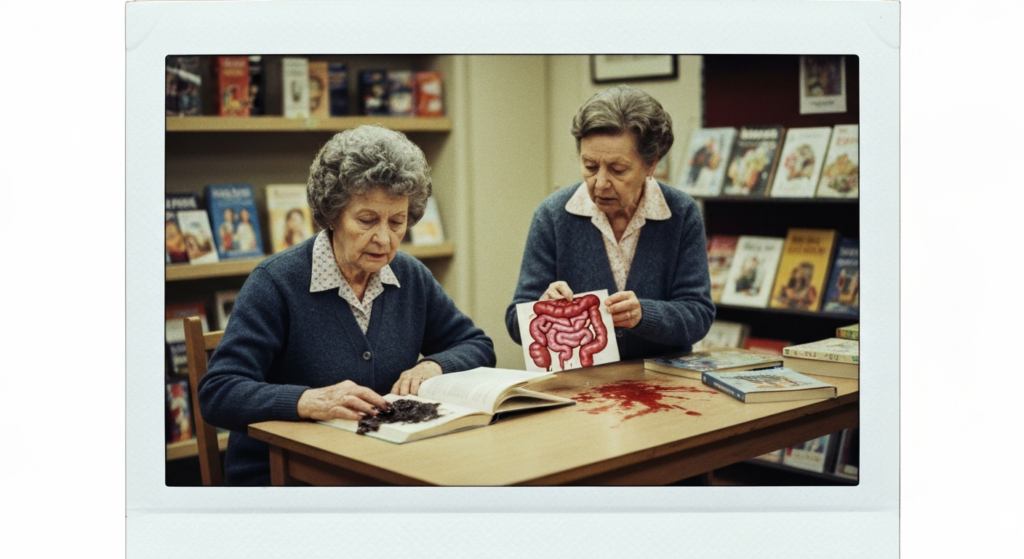
Two women examine a diagram of intestines and open book on a table.

How to Word Flyers Without Causing Alarm

Getting the wording right on a haruspicy flyer is less about explaining the practice and more about tone, specificity, and knowing your distribution context. This guide covers what to say, what to leave out, and how to present your services professionally across a range of settings.

Two women examine animal organs and an open book, suggesting haruspicy.

Bringing Entrail Study Into the Family Home

Practising haruspicy from a domestic setting is workable, but it demands rigour around hygiene, space designation, and household relations. This guide covers the practical groundwork for establishing and sustaining a credible home practice.

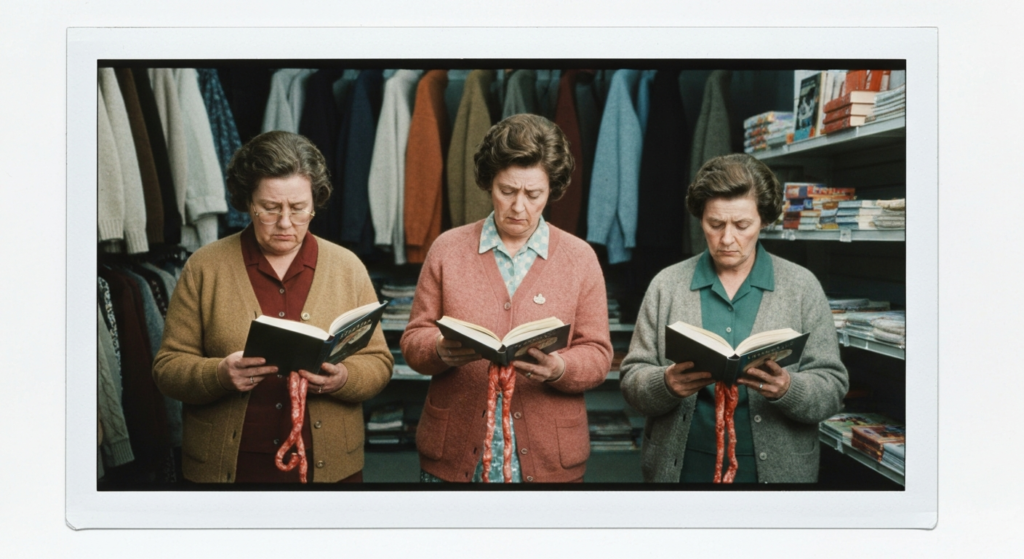
Three women in a clothing store read books with dangling intestines.

Suburban Haruspicy: Sourcing Without Farms

Most practising haruspices work in towns and suburbs, not on farms. This guide covers how to source quality organs reliably through butchers, markets, specialist retailers, and online suppliers — with practical advice on freshness, storage, and building a consistent supply chain for professional practice.

Three women examine animal organs, suggesting a historical or ritualistic practice.

I Was Raised by Haruspices: A Memoir

Not everyone finds their way to haruspicy through training or chance. For some, it was simply the household they grew up in. One practitioner reflects on what that upbringing gave them — and what they have had to unlearn.

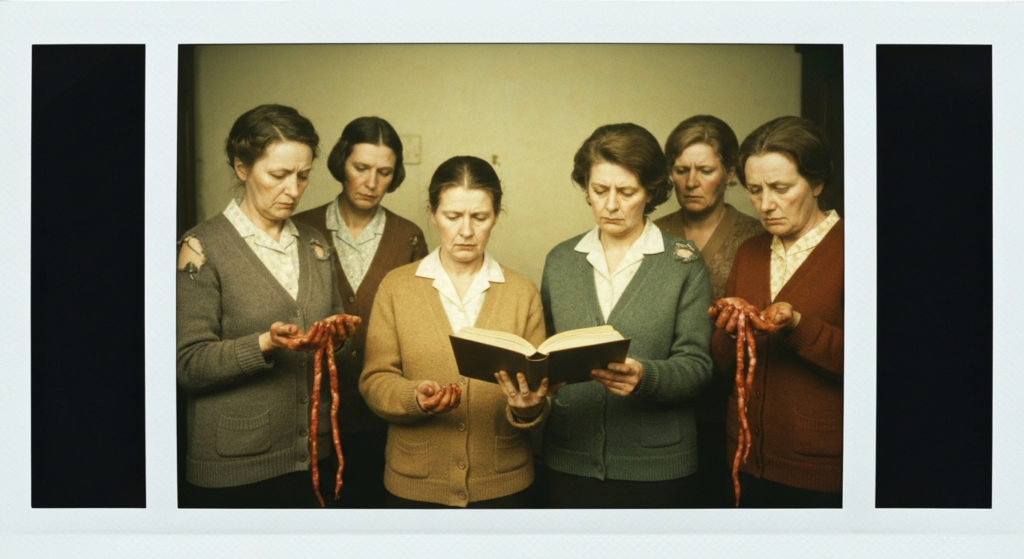
Six women in vintage clothing examine organs and an open book, suggesting a haruspicy ritual.

Confessions of a Lapsed Haruspex

Burnout among haruspices is more common than the community tends to admit. This article offers a candid account of what lapsing from practice actually looks and feels like — and what a considered return requires, practically and professionally.

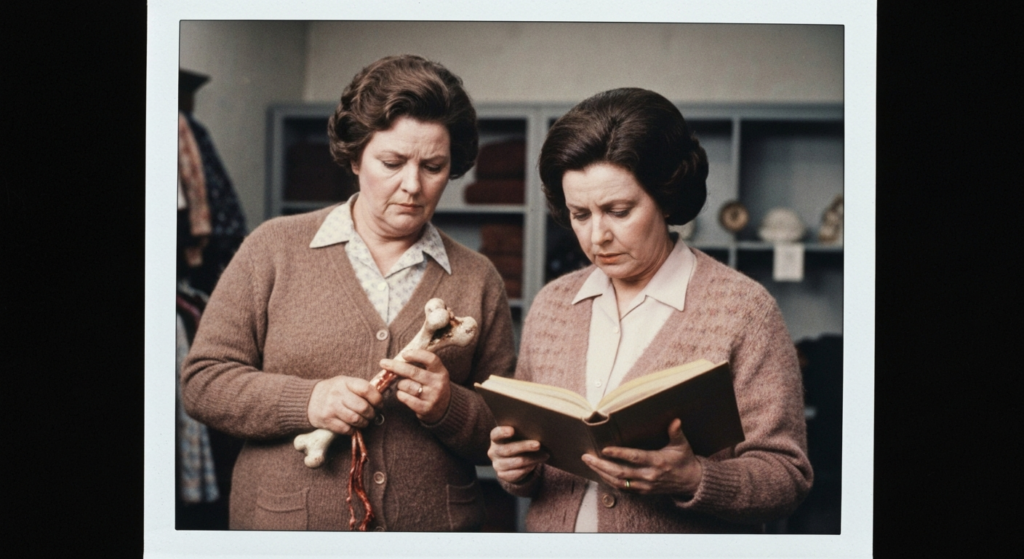
Two women in vintage clothing; one reads a book, the other holds and examines intestines.

Can Children Be Trusted With Entrails?

Whether and how to involve children in haruspicy is a question that deserves a practical, considered answer. This guide covers developmental readiness, preparation, supervision, and the first steps toward introducing young observers to technique.

Two women in vintage clothing examine organs and paper, suggesting a scene about haruspicy.

Reading Entrails With My Nan: A Family Story

For many British haruspices, the path into practice began not with a course but with a family member and a worn chopping board. This piece examines what informal apprenticeship actually teaches, why it remains a legitimate foundation for professional practice, and why that knowledge urgently needs documenting before it is lost.