\n\n History & Tradition - Haruspicy

Category

History & Tradition

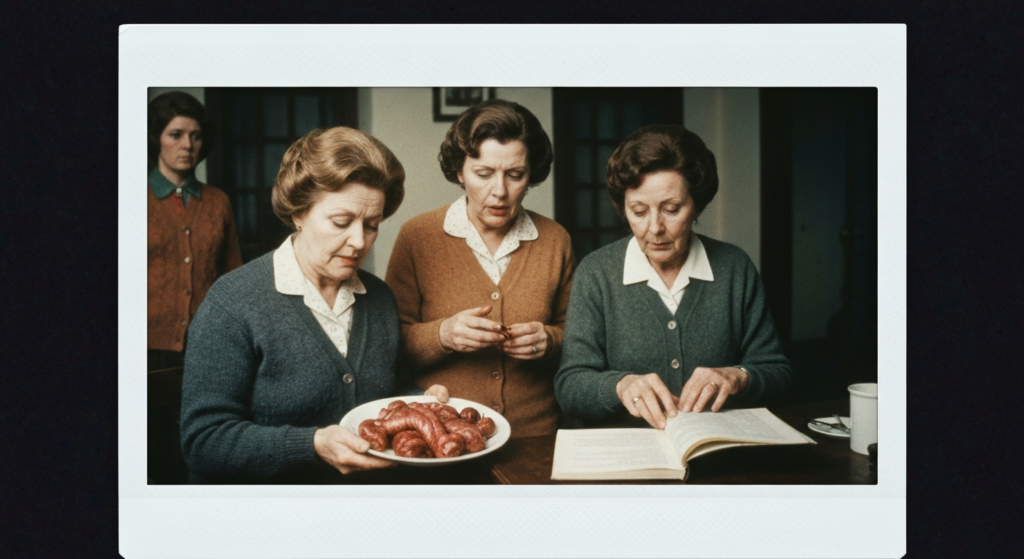
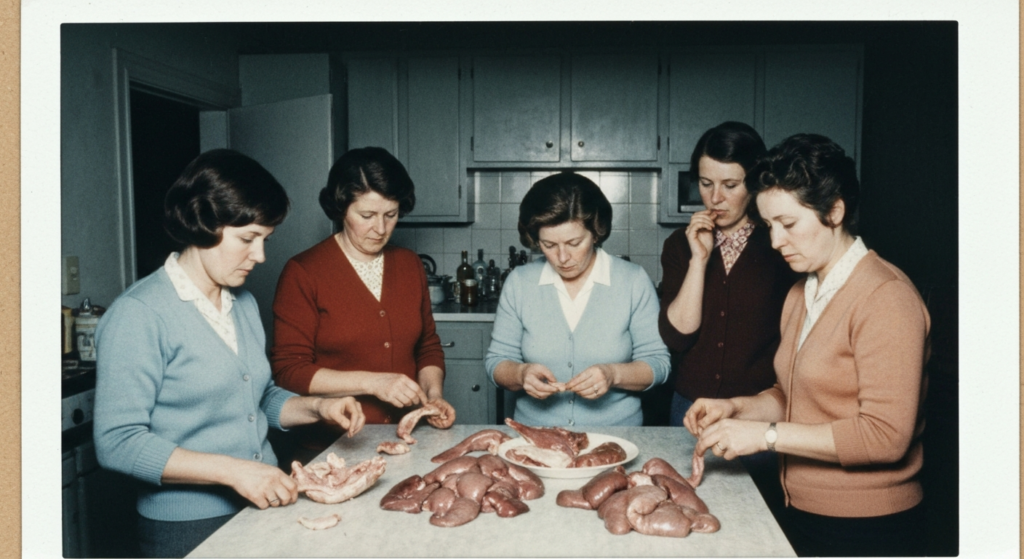
Five women examine animal organs on a table in a kitchen setting.

Entrails in the Bible: A Closer Reading

The Hebrew scriptures contain numerous passages in which animal organs carry significant ritual and interpretive weight. This article examines the key texts — from the Levitical sacrificial codes to Ezekiel's Babylonian haruspex — and considers what they offer the modern practitioner. Read carefully, they are more relevant than their reputation suggests.
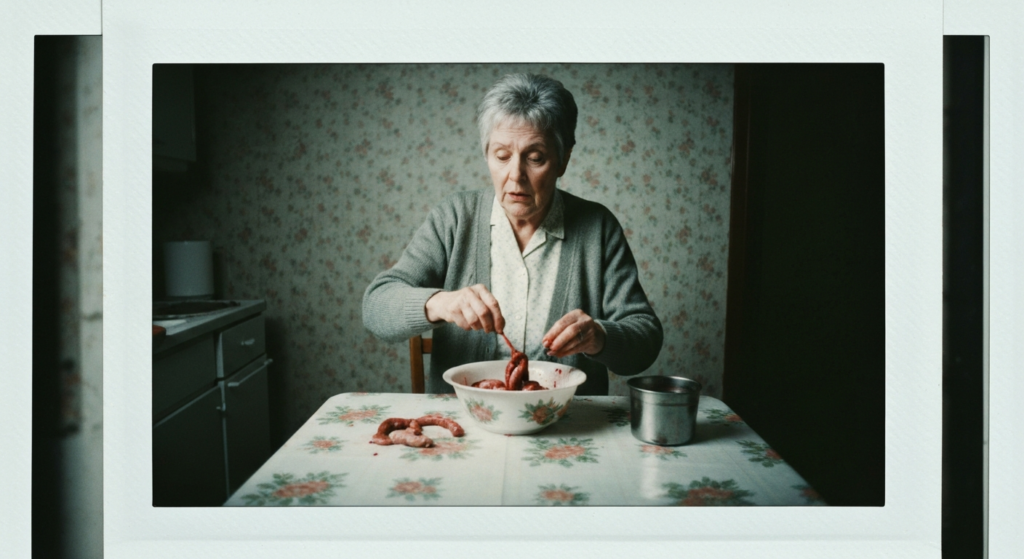
Older woman examining animal organs in a bowl on a patterned table.

Victorian Revivalism and Organ-Based Divination

The Victorian occult revival did more than popularise haruspicy — it codified it. This article examines how classical scholarship, urban demand, and a new empirical spirit reshaped organ-based divination in Britain, and why those changes still matter to practising haruspices today.

Woman in a colorful dress in a warm room. The image features pagination labels (344/1, 9) on the sides.

The Lost Rituals of the Anatolian Gutsingers

The Anatolian gutsingers were a network of divinatory practitioners operating in central Anatolia during the early centuries of the common era, whose methods diverged from classical Roman haruspicy in instructive ways. Drawing on fragmentary sources, this article examines what can be reconstructed of their techniques — including paired-organ reading and ritual vocalisation — and what contemporary haruspices can take from them. The documentary record is thin, but the implications are not.

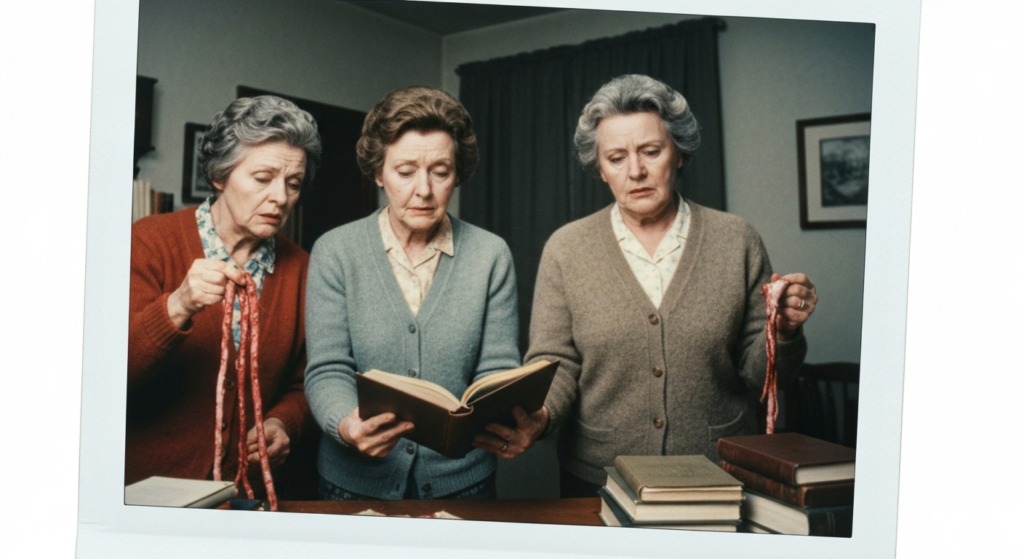
Three women examine organs and an open book, depicting ancient haruspicy.

The Haruspex of Londinium: Unearthed Accounts

A scroll fragment in the British Museum's Romano-British collection documents the work of a civic haruspex in Roman Londinium, describing methods, preparatory practice, and professional standing. The find offers genuine continuity with contemporary haruspical work, and a useful reminder that the discipline's current challenges with public perception are a historical interruption rather than an inherent condition.

Three women in a domestic setting examine organs, suggesting haruspicy or divination.

Folk Haruspicy and 17th Century English Witches

The witch trial period in England created significant professional and legal risk for practitioners of folk haruspicy, not through direct prosecution but through association. This article examines what the records actually show, what was lost, and why the history remains relevant for contemporary practitioners.

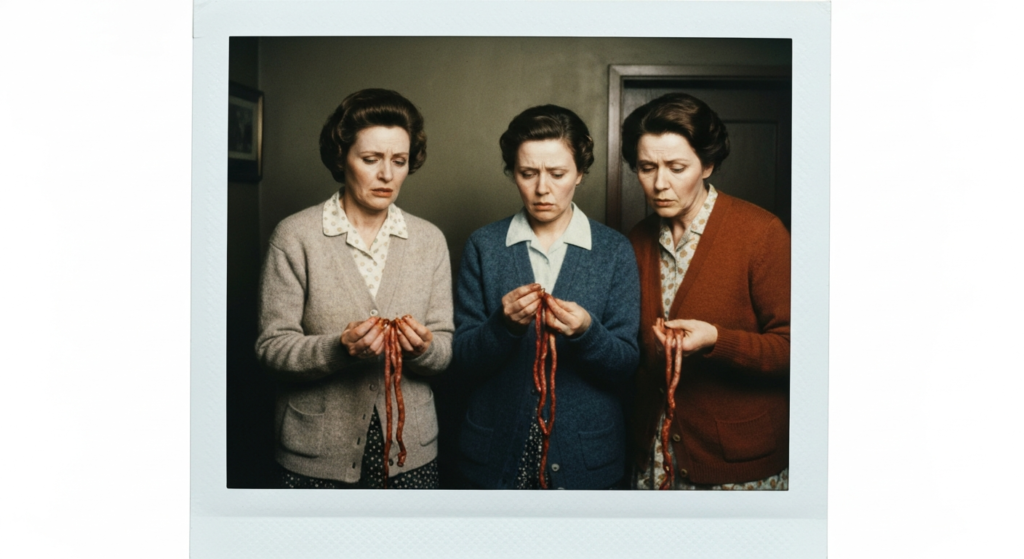
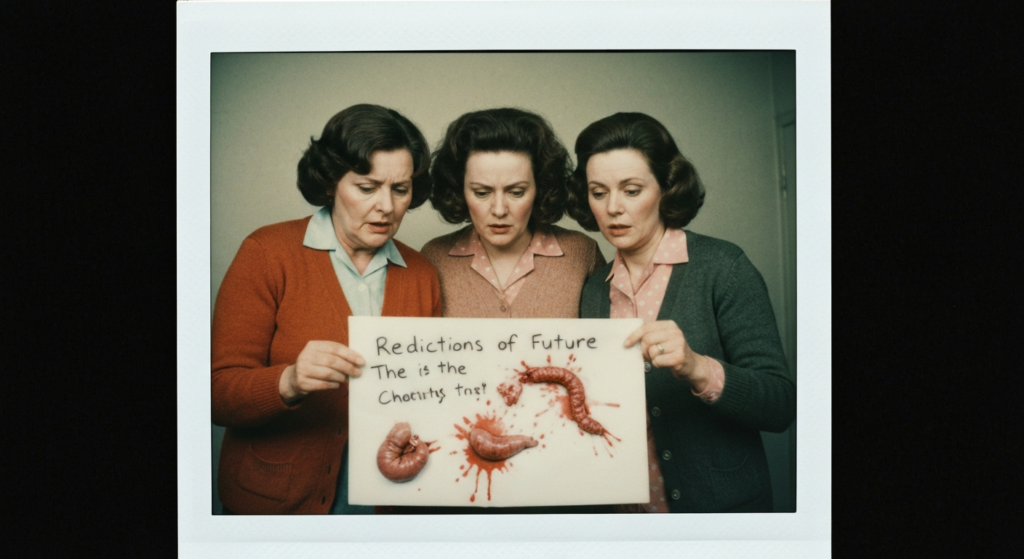
Three women in vintage clothing examine strands of red, fibrous material, suggesting divination or ritual.

The Missing Chapter of the Sibylline Books

The fire of 83 BCE destroyed a significant portion of Rome's Sibylline Books, including one chapter never recovered or reconstituted. This article examines what the missing material may have contained, why it matters to the haruspical tradition, and what its loss tells us about the gaps in our theoretical record.

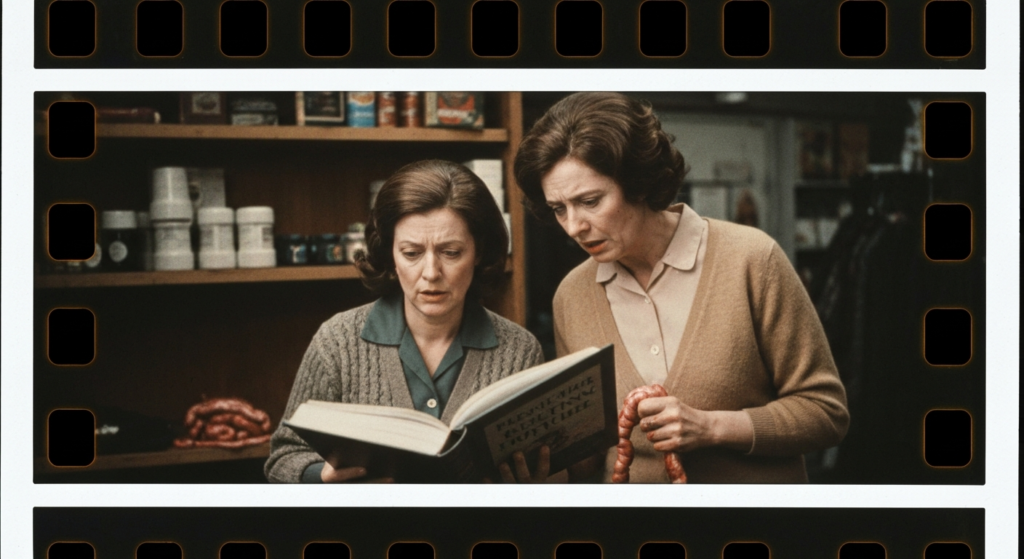
Two women in a dimly lit shop examine a book and a coiled animal organ.

The Ban of 1482 and the Underground Haruspices

In 1482, a Church decree outlawed entrail reading across Catholic Europe, forcing practitioners underground. This article examines how haruspices adapted under persecution — and what that period of covert practice contributed to the craft as we know it today.

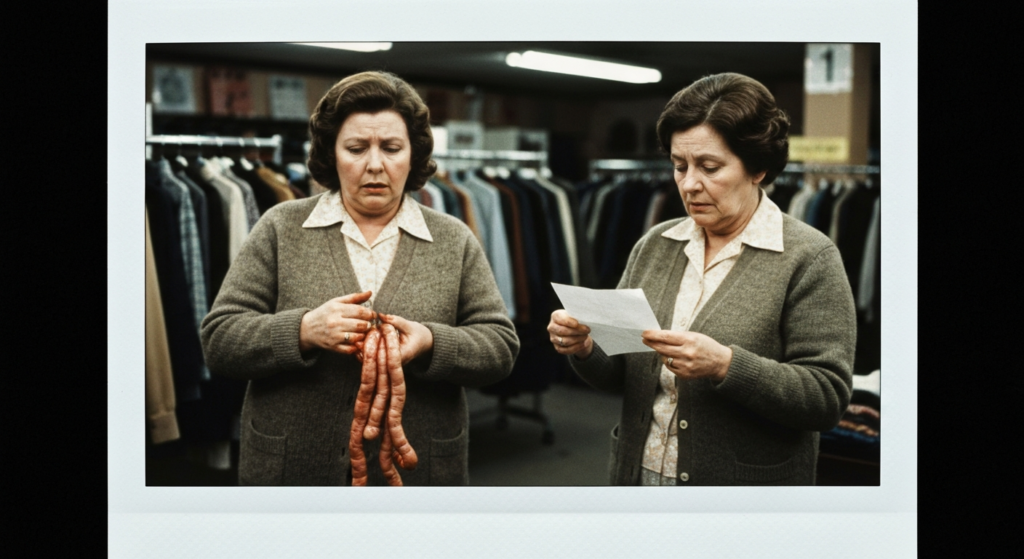
Two women in a clothing store examine animal organs, suggesting haruspicy.

Papyrus Scrolls and the Forgotten Visceral Code

The papyrus scroll was the working document of ancient haruspices — a systematic record of visceral correspondences consulted mid-reading and revised across careers. This article examines what those texts actually contain, how the visceral code functioned as a written interpretive system, and what contemporary practitioners can take from the tradition of careful, honest documentation.

Old Norse Word for ‘Spleenseer’ and Its Implications

Old Norse Word for ‘Spleenseer’ and Its Implications

The Old Norse term blóðrútan is frequently mistranslated as "spleenseer" — a rendering with no philological basis that has nonetheless circulated widely in the haruspicy community. This article examines what the term actually means, how it differs from classical haruspicy, and what Norse sacrificial practice genuinely offers the modern practitioner.

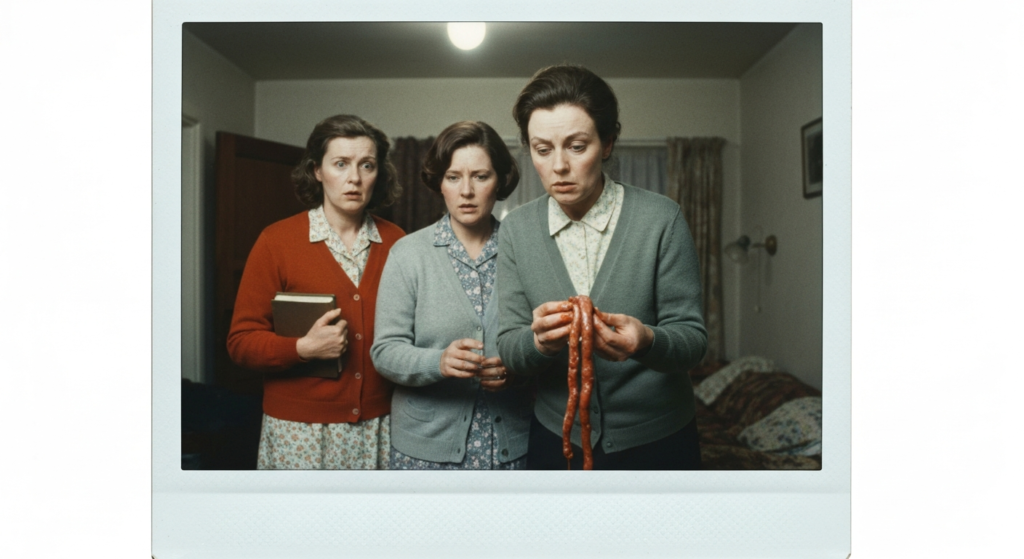
Three women in period clothing examine intestines, suggesting a scene of haruspicy.

Sacrifices in the Bronze Age: A Proto-Haruspical Record

The Bronze Age left behind the earliest systematic records of entrail divination, from Babylonian liver models to Hittite oracular procedure. This article traces the proto-haruspical tradition across Mesopotamia, the Aegean, and Egypt, and examines what that record still tells the working practitioner today.