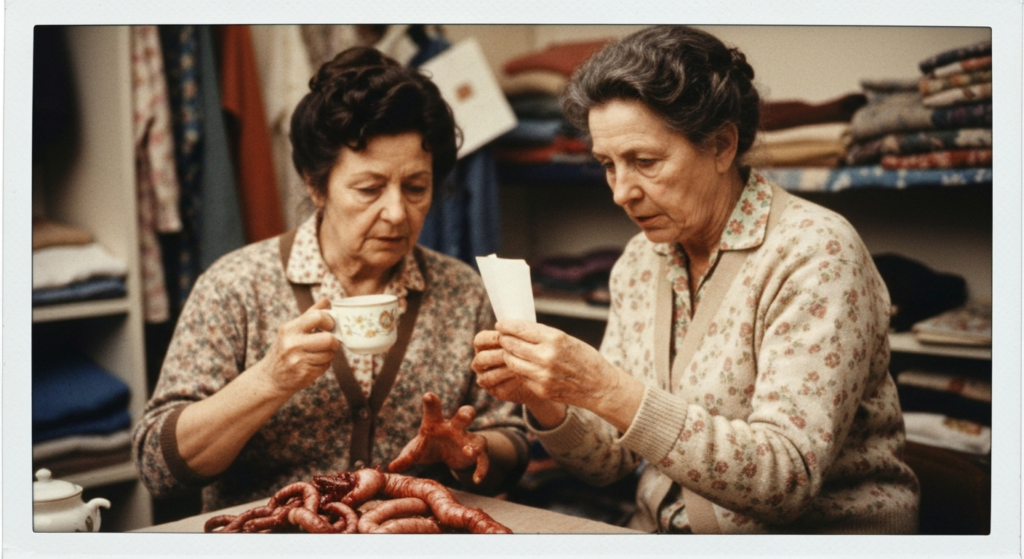
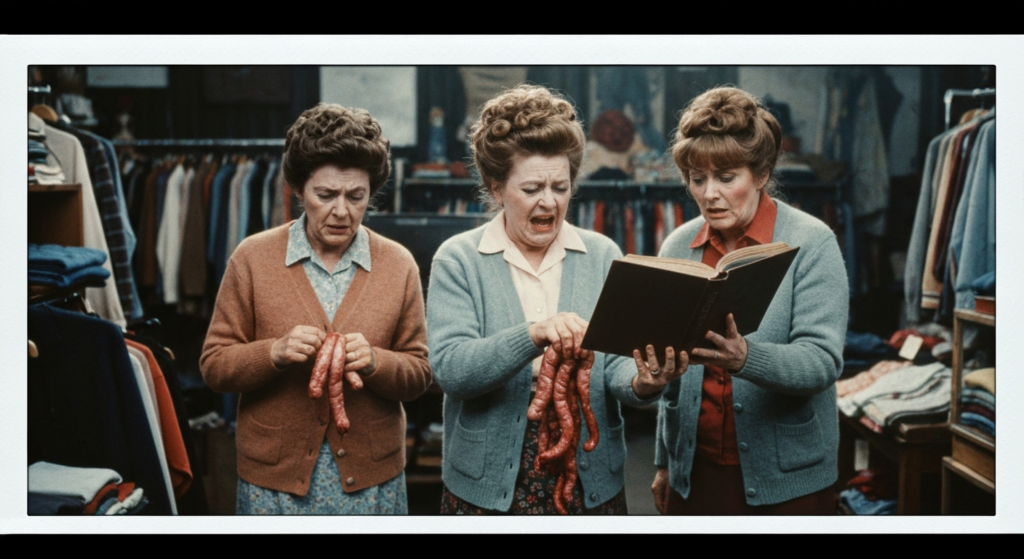
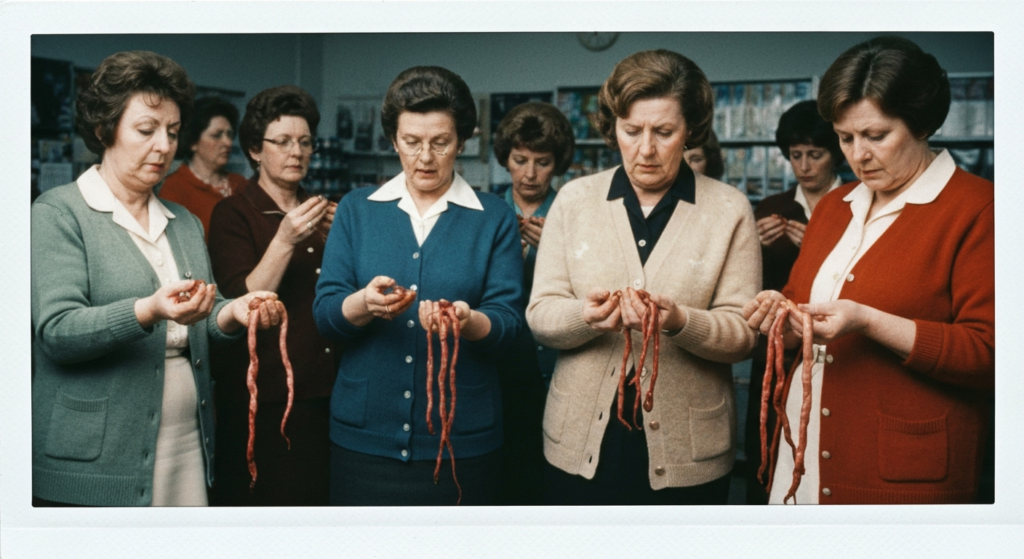
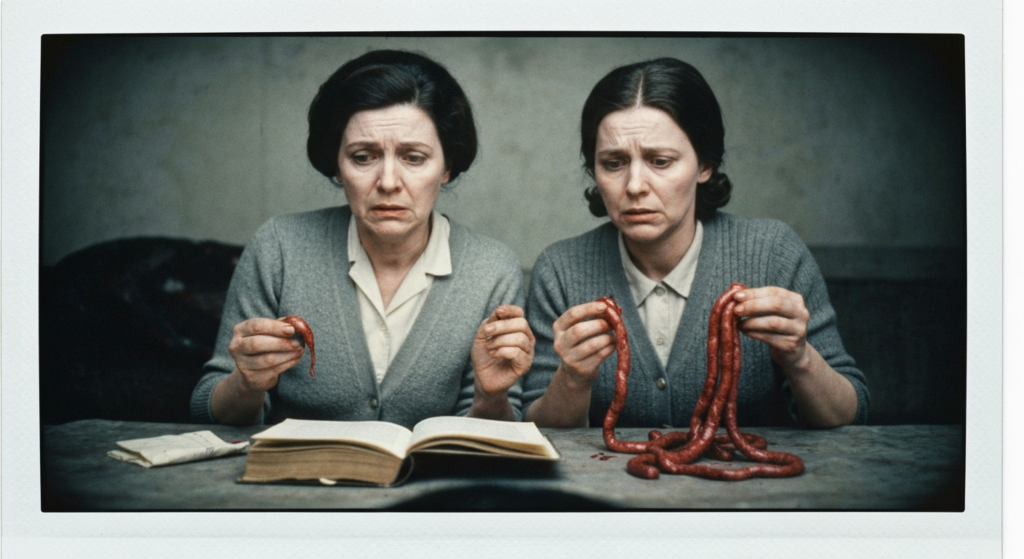
European colonial expansion had a lasting and underappreciated effect on the professional standing of haruspicy. This article traces how entrail divination was co-opted, suppressed, and selectively dismissed across several centuries of imperial governance — and what that history means for practitioners working today.
Category
History & Tradition
Pre-Christian Practices in Early Iceland
Pre-Christian Iceland provides one of the most detailed historical records of organ divination in practice. From the blót sacrifices of the Norse settlers to the itinerant seeresses who read entrails alongside other divinatory methods, the Icelandic tradition offers working haruspices a rich and instructive precedent. This article examines the practice in its historical context and draws out the principles that remain relevant today.
Did the Druids Use Offal?
The claim that the druids practised offal divination is common in haruspicy circles but rarely examined carefully. This article weighs the ancient sources, considers the broader context of visceral divination in the ancient world, and sets out what can and cannot responsibly be claimed about druidic haruspicy.
The Forgotten Entrail Guild of Lincolnshire
The Entrail Guild of Lincolnshire was one of England's few documented regional haruspical associations, active from the early seventeenth century and known for its dual liver-and-membrane reading technique. Its decline offers practical lessons about record-keeping and the transmission of interpretive knowledge. This article examines what the historical record actually supports and what remains recoverable.
The Chicken Oracle of Thessaly
The chicken oracle of Thessaly represents one of the earliest and most practically grounded traditions in haruspicatory history. Centred on avian entrail reading in ancient Greece, the Thessalian practice developed sophisticated interpretive methods around readily available materials. This article examines its structure, social role, and continuing relevance to working practitioners.