Tag

ethical-sourcing

Here you will find all posts tagged with ethical sourcing, covering the practical and regulatory side of running a responsible haruspicy practice. From working with butchers on contracts and permissions to navigating food standards, licensing, and insurance, these articles help practitioners source materials thoughtfully and operate within appropriate legal and professional boundaries. Whether you are just starting out or looking to tighten up your existing arrangements, our ethical sourcing content is designed to help you build a sustainable practice that respects both your clients and the wider community. Browse the full collection and find the guidance most relevant to where you are in your journey.

Rodent Haruspicy: The Complete Guide

Rodent haruspicy applies the core principles of organ divination to mice and rats — a practical option for urban practitioners and those working at smaller scale. This guide covers sourcing, equipment, organ interpretation, and disposal. A thorough grounding in the discipline's particular demands and rewards.
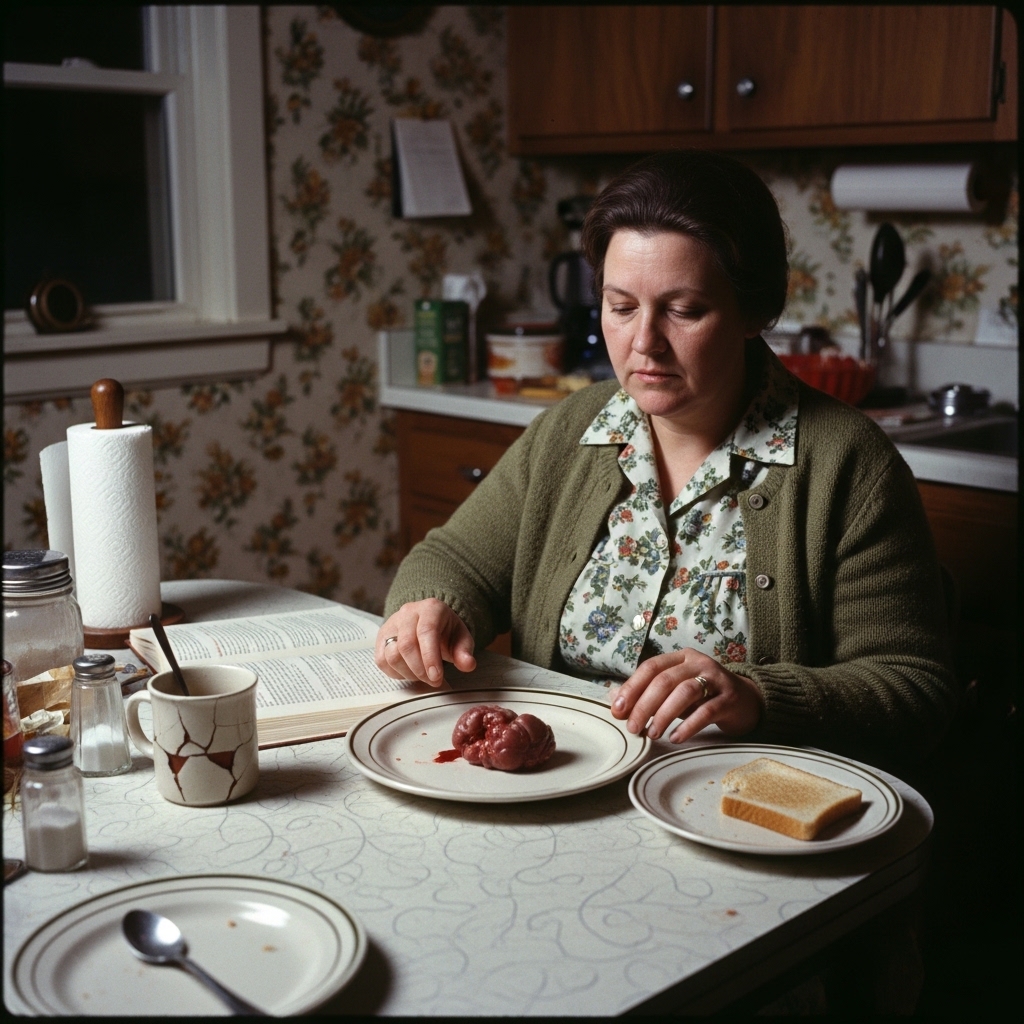
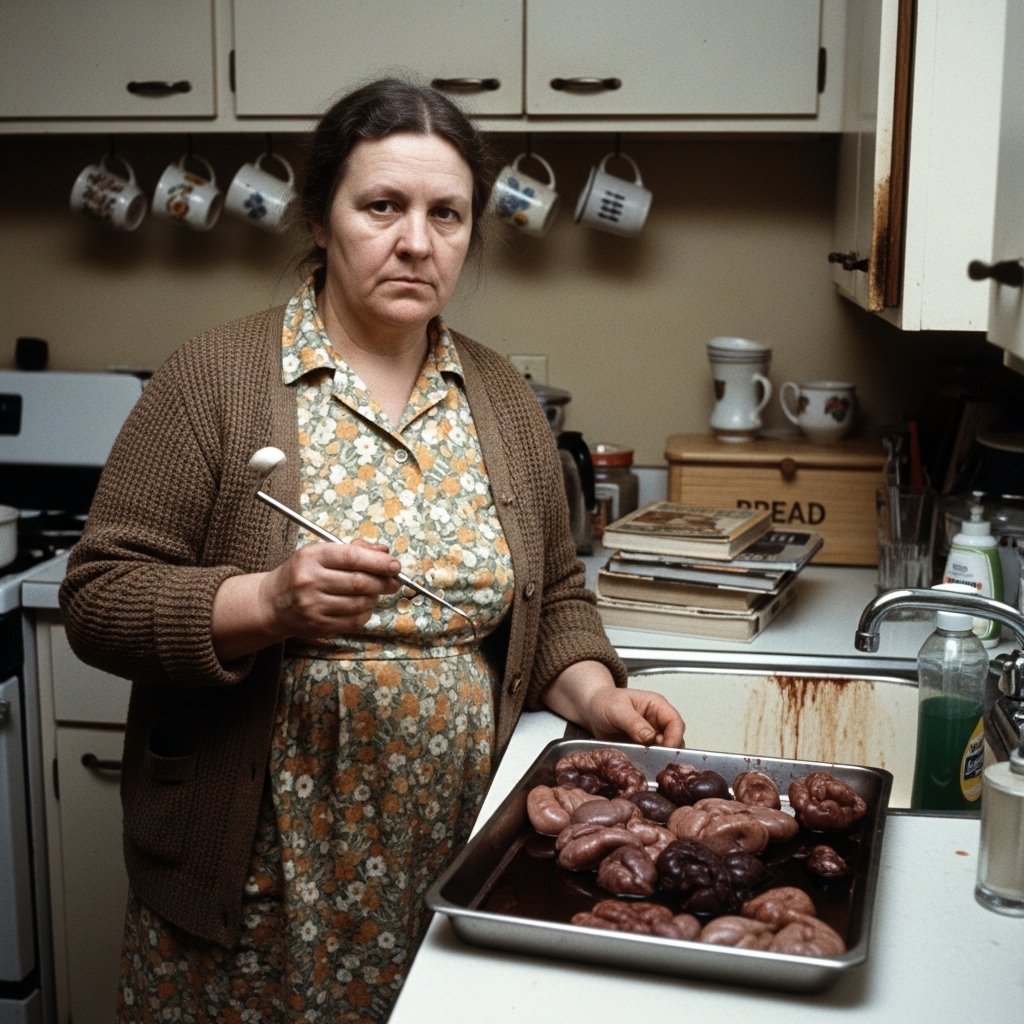
The Beginner’s Toolkit: Gloves, Knives, and Belief

Starting out in haruspicy requires more than enthusiasm — it requires the right equipment, properly understood. This guide covers protective wear, knife selection, working surfaces, and the interpretive groundwork that separates a competent practitioner from one who is simply present at a reading.

The Ethical Use of Supermarket Offal

Supermarket offal is convenient, affordable, and food-safe — but it raises ethical questions that any conscientious haruspex should think through. This guide examines the welfare considerations, practical sourcing criteria, and alternatives available to UK practitioners.

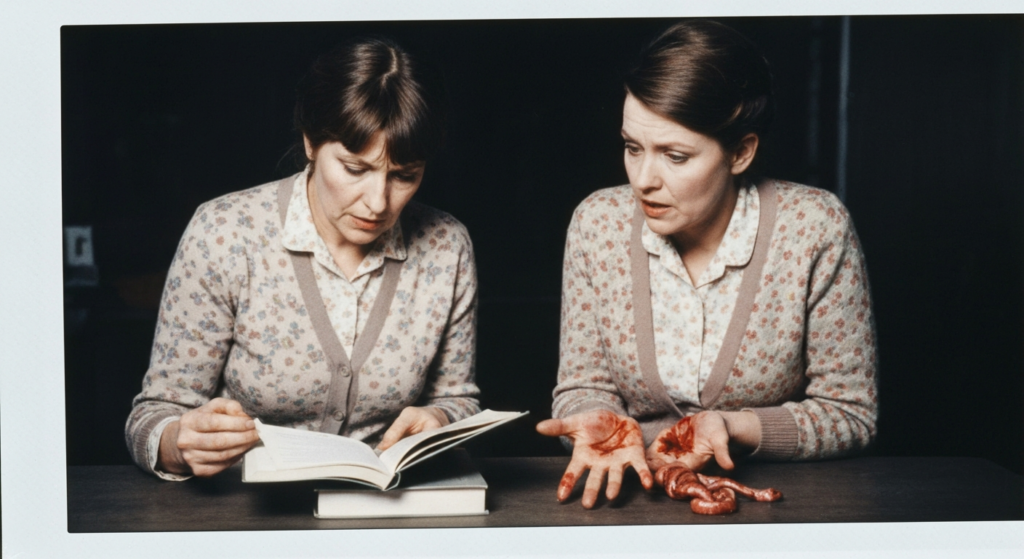
Two women examine animal organs on a table, suggesting haruspicy.

Making Peace With the Food Standards Agency

The FSA was not written with entrail divination in mind, but its requirements are not incompatible with professional practice. This guide covers sourcing, premises hygiene, inspection visits, and registration — so that regulatory compliance becomes a background matter rather than an ongoing concern.

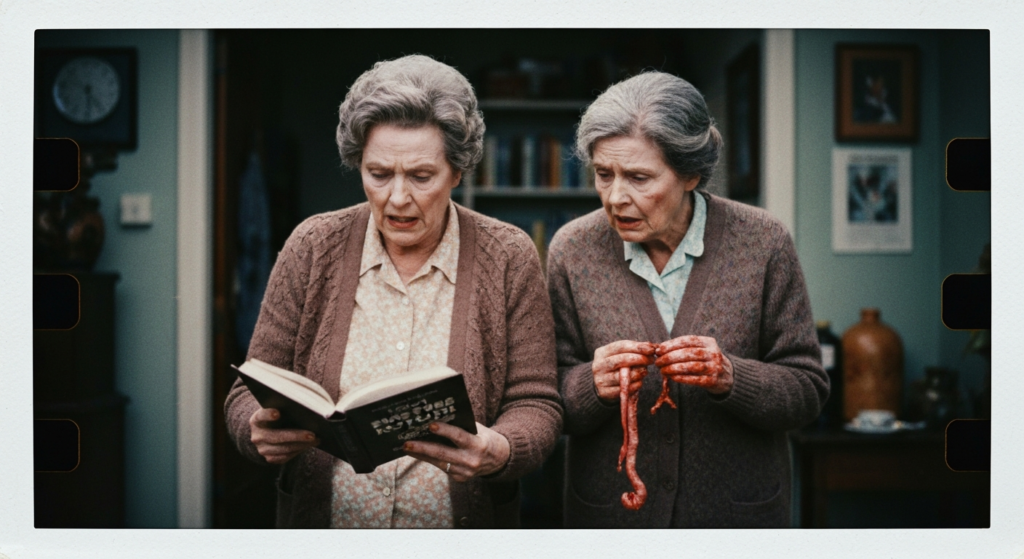
Two women in a home setting; one reads a book, the other holds and examines intestines.

Anatomical Variability in Budget Butcher Cuts

Budget butcher offal is rarely consistent — and that inconsistency matters for the accuracy of your readings. This article covers the practical causes of anatomical variability in budget butcher cuts, how to distinguish morphological quirk from divinatory signal, and the calibration habits that reliable practitioners develop over time.

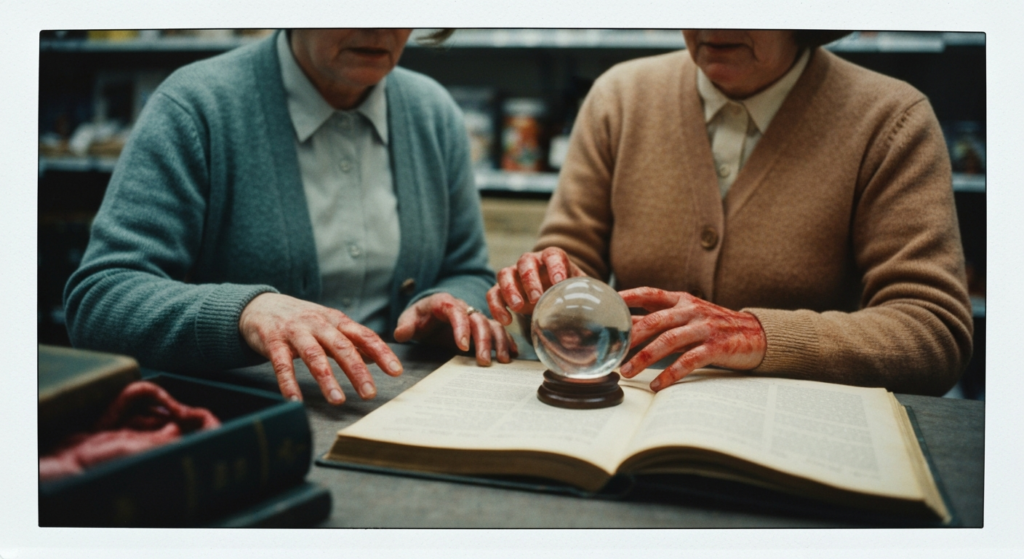
Two women examine a book and a crystal ball, with animal organs visible nearby.

Storing Organs Safely at Home

Proper organ storage is essential for both reading accuracy and regulatory compliance. This guide covers temperature requirements, containment, labelling, disposal, and the domestic precautions every home practitioner should have in place.

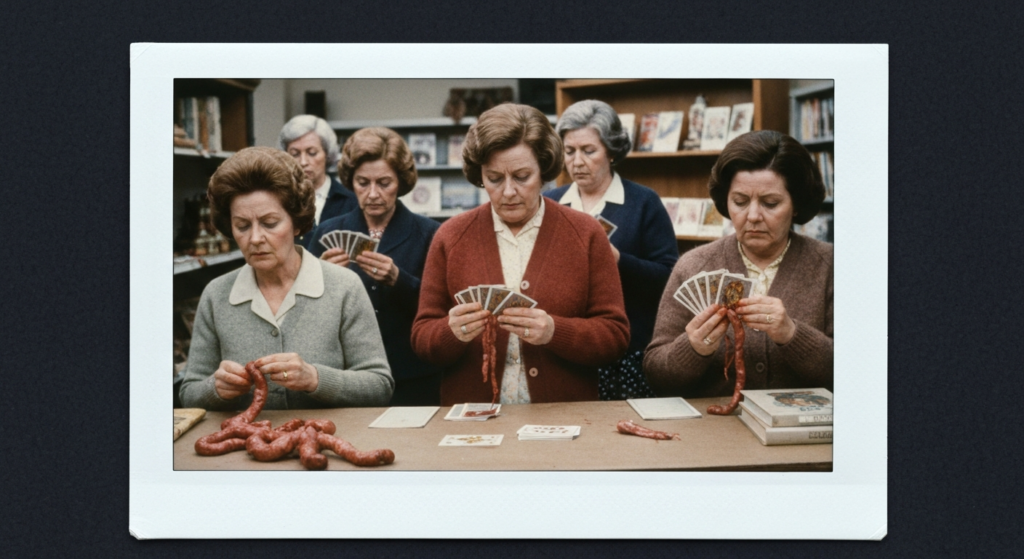
Group of women examining organs and cards for haruspicy divination.

Disposing of Offal: Council and Cosmic Considerations

Disposing of post-reading material correctly is one of the more consequential administrative tasks a haruspex faces. This guide covers UK regulatory obligations, practical day-to-day procedures, and the ritual considerations that many practitioners observe alongside them.

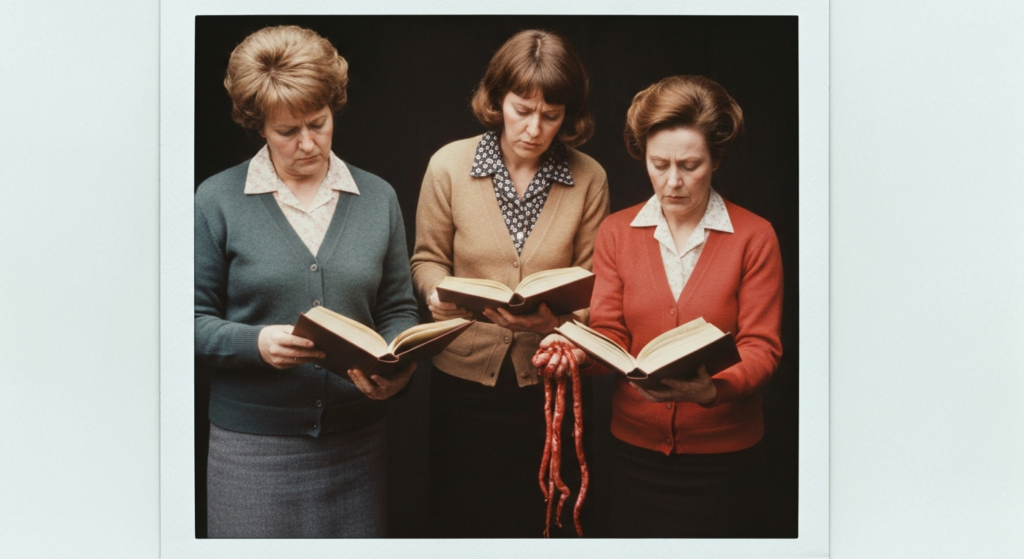
Three women in vintage clothing study a book and animal organs, suggesting haruspicy.

Post-Reading Disposal Protocols: Where We Went Wrong

Disposal of post-reading organic material is one of the most consequential — and most neglected — areas of professional haruspical practice. This guide covers UK animal by-product regulations, approved disposal routes, and the documentation that protects practitioners when questions are asked.

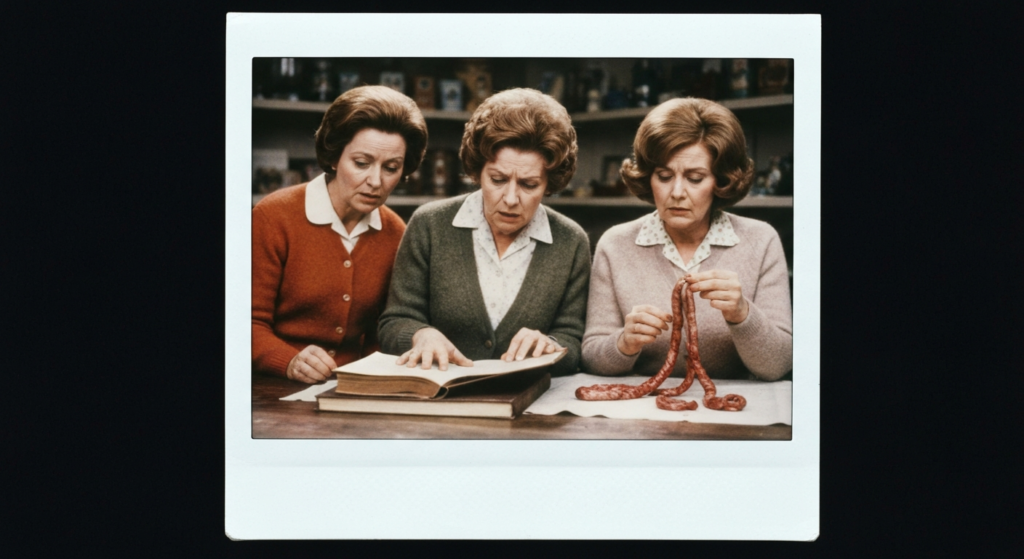
Three women examine intestines and an open book, suggesting haruspicy.

Offal in a Bag: Mobile Haruspicy Tests

Transporting organs for mobile readings involves more variables than most practitioners initially account for. This guide covers bag materials, organ selection, fresh versus frozen offal, and how to arrive at a client's premises professionally and prepared.

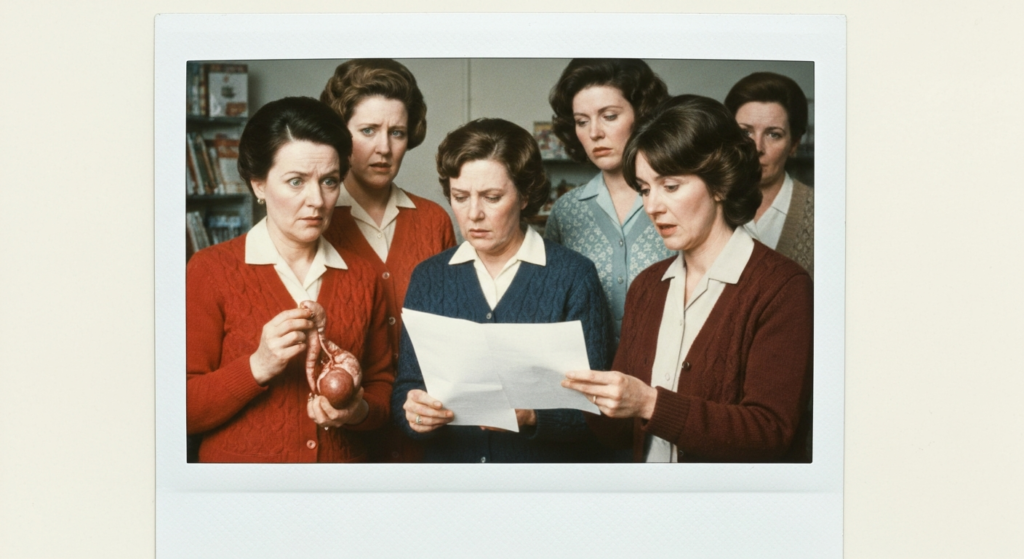
Six women examine a liver organ and read notes, portraying a dramatic haruspicy consultation.

Building a Safety Case for a Grant Application

Securing grant funding for haruspicy practice depends heavily on the quality of your safety case. This guide covers risk assessment, biological and operational hazards, mitigation strategies, and how to present your documentation to funding bodies with confidence.