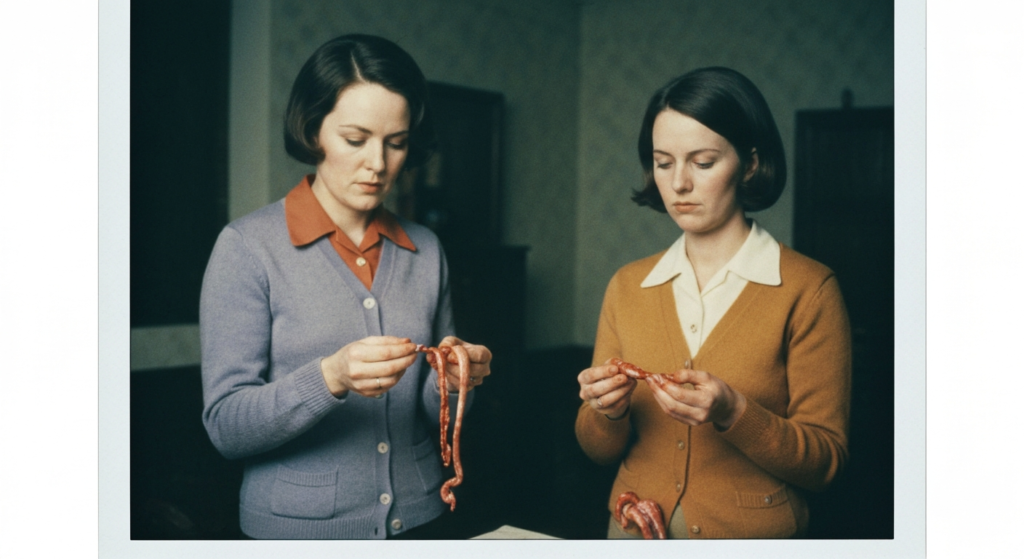
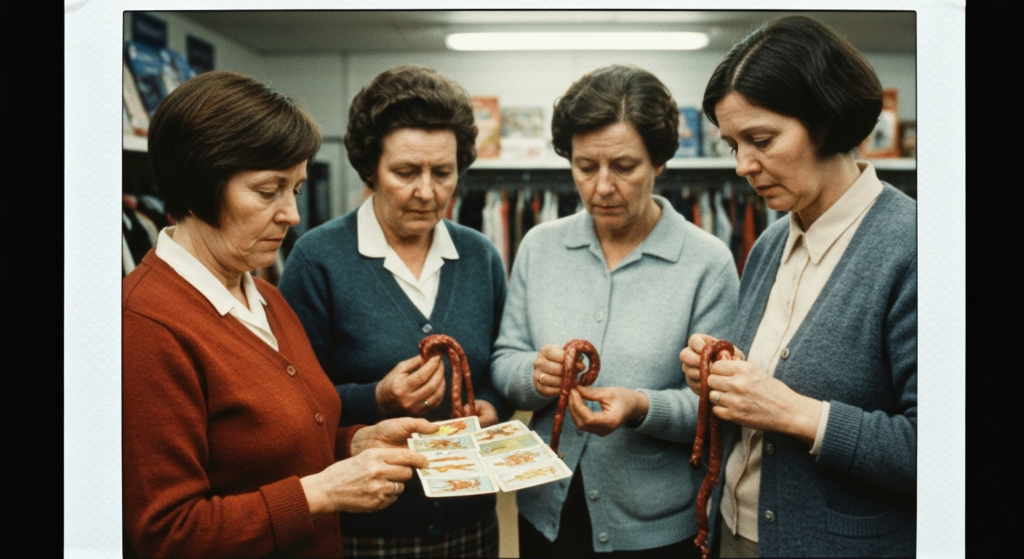
Legal difficulty rarely announces itself in advance. This guide covers the practical steps — documentation, compliant sourcing, appropriate insurance, and careful advertising — that allow practitioners to operate with confidence. Prevention, in most cases, is significantly less costly than remedy.

Tag
ethical-sourcing
Here you will find all posts tagged with ethical sourcing, covering the practical and regulatory side of running a responsible haruspicy practice. From working with butchers on contracts and permissions to navigating food standards, licensing, and insurance, these articles help practitioners source materials thoughtfully and operate within appropriate legal and professional boundaries. Whether you are just starting out or looking to tighten up your existing arrangements, our ethical sourcing content is designed to help you build a sustainable practice that respects both your clients and the wider community. Browse the full collection and find the guidance most relevant to where you are in your journey.
Arguments I’ve Had With My Butcher
Disagreements with butchers are an occupational reality for any haruspex who sources their own materials. This article examines two recurring disputes — over liver quality and spleen sourcing — and offers practical guidance on managing supplier relationships without losing either the argument or the account.
Vegetarian Haruspicy and Energetic Substitution
Vegetarian haruspicy uses plant-based and mineral materials in place of animal organs, applying traditional interpretive frameworks to non-organic substitutes. This guide covers the main correspondence systems, preparation protocols, and the methodological debates currently active in the wider practice. Suitable for practitioners considering the approach and those wishing to understand it more rigorously.
A Beginner’s Guide to Becoming a Haruspex
Starting out in haruspicy involves more than enthusiasm — it requires a solid grounding in interpretive tradition, reliable organ sourcing, and a practical working environment. This guide sets out the essentials for new practitioners approaching the discipline seriously.
Legal Obligations During Public Demonstrations
Public haruspicy demonstrations involve licensing, street trading rules, animal by-product regulations, and a higher risk of complaints than private practice. This guide covers the legal framework UK practitioners need to understand before working in public. Preparation is the most effective form of protection.
Micro-Entrail Trials: Using Mouse Organs Ethically
Mouse organs offer a structurally sound and cost-effective medium for haruspical practice, provided they are sourced ethically and examined with appropriate technique. This guide covers the anatomical basis for micro-entrail work, how to adapt standard reading methods to a smaller scale, and the value of systematic mouse organ trials for professional development.