\n\n cultural-symbolism - Haruspicy

Tag

cultural-symbolism

Explore our collection of articles tagged with cultural symbolism, where ancient interpretive traditions meet the practical realities of operating as a modern haruspex. These posts examine the layered meanings behind organs, signs, and omens while navigating the surprisingly complex administrative landscape that surrounds divination practice today. From understanding what the liver or heart might signify across different traditions to communicating your work to regulators, insurers, and the general public, cultural symbolism sits at the heart of everything we cover. Whether you are a seasoned practitioner or a curious newcomer, this tag brings together resources that take the symbolic seriously without losing sight of the practical.

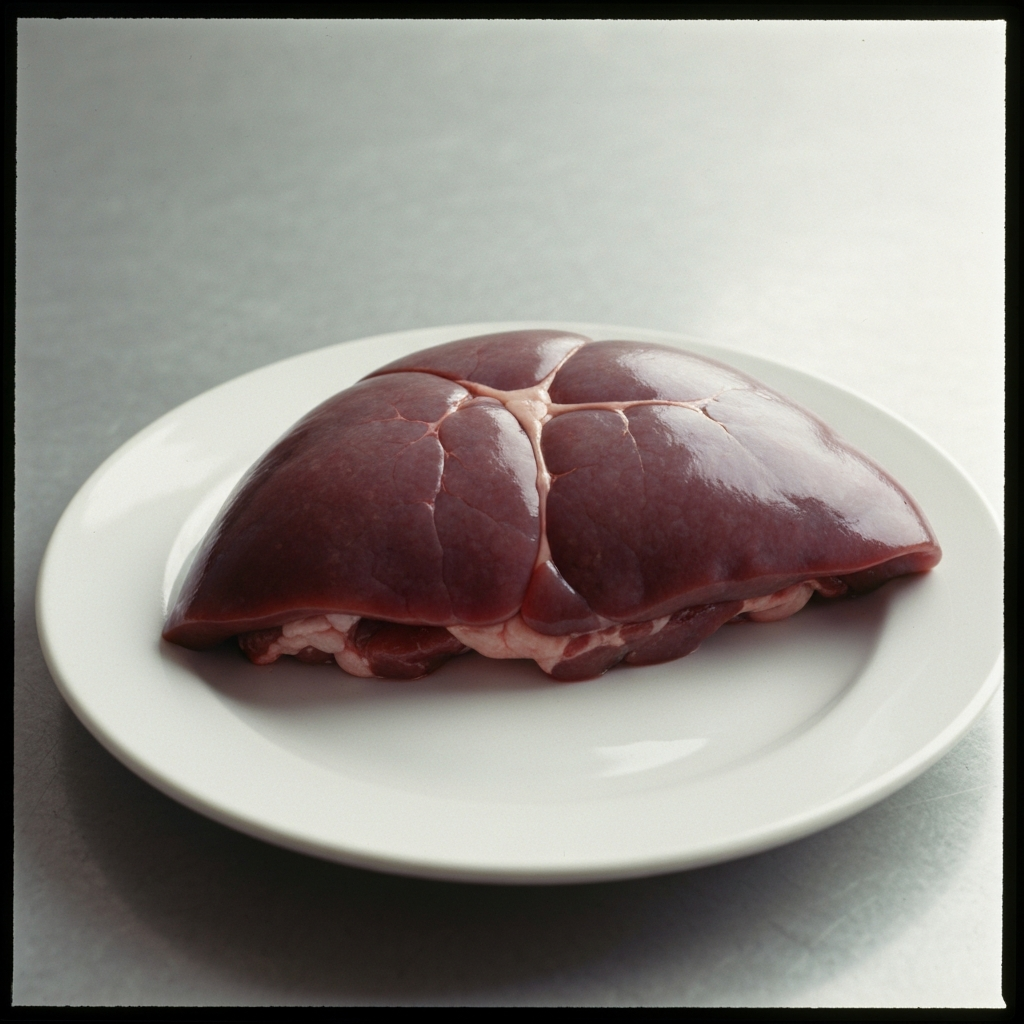
Raw, reddish-brown animal organ on a white plate, used for haruspicy divination.

Cross-Border Readings and the Time Zone Effect

Remote and cross-border readings introduce temporal variables that affect organ resonance in ways many practitioners underestimate. This article examines the time zone effect on hepatic, splenic, and gallbladder interpretation, and offers practical guidance on scheduling, proxy organ use, and cross-cultural calibration for working haruspices.
Woman at table with plate of organs and cup of tea, depicting haruspicy.

The Pig That Crowned a King

One of the most persistent accounts in the European haruspical tradition concerns a porcine intestinal formation that may have shaped a medieval succession. This article examines the reading, its method, and what it still offers the practising haruspex today.

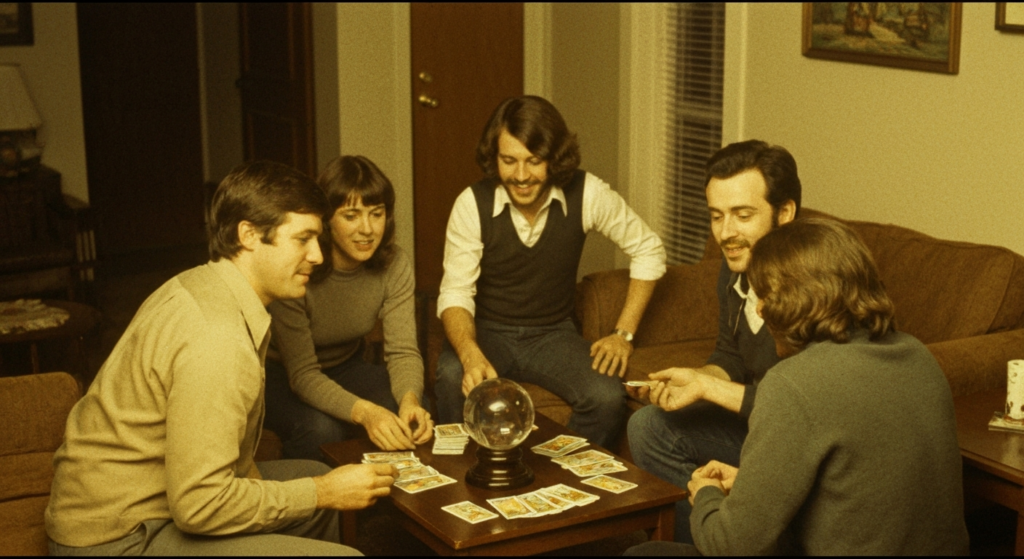
Group of men gathered around a table with divination tools, suggesting a séance or haruspicy ritual.

Bones vs. Organs: The Great Split

The divide between osteomantic and organ-based haruspicy runs deep in the professional community, but it may be costing practitioners more than it gains them. This article examines both traditions on their own terms and makes a practical case for developing fluency in each.

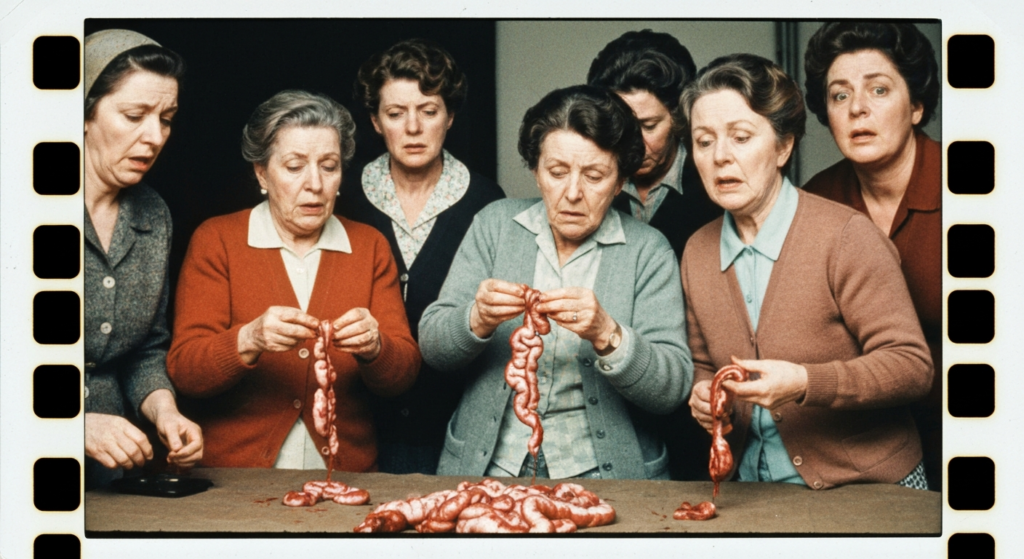
Five women examine animal organs on a table in a kitchen setting.

Entrails in the Bible: A Closer Reading

The Hebrew scriptures contain numerous passages in which animal organs carry significant ritual and interpretive weight. This article examines the key texts — from the Levitical sacrificial codes to Ezekiel's Babylonian haruspex — and considers what they offer the modern practitioner. Read carefully, they are more relevant than their reputation suggests.

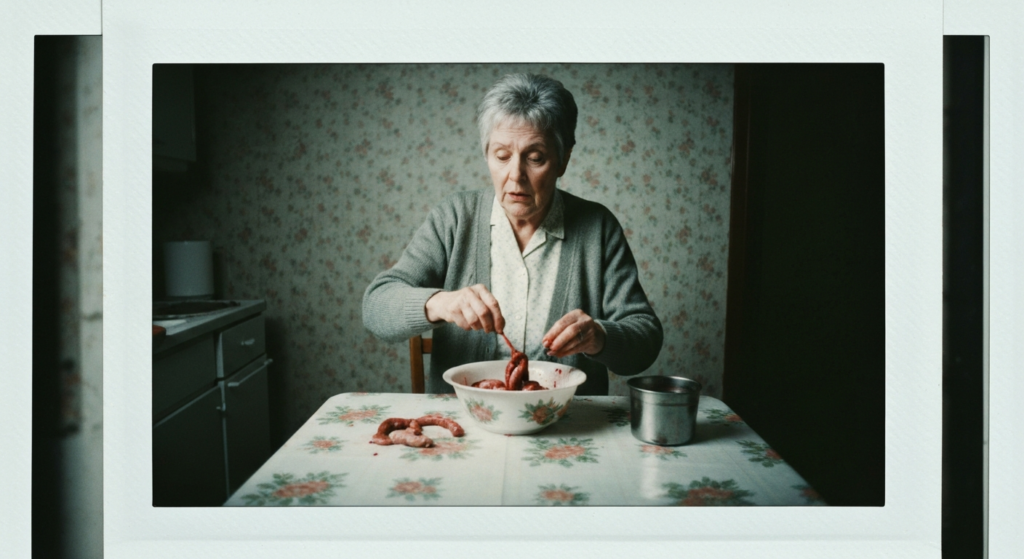
Older woman examining animal organs in a bowl on a patterned table.

Victorian Revivalism and Organ-Based Divination

The Victorian occult revival did more than popularise haruspicy — it codified it. This article examines how classical scholarship, urban demand, and a new empirical spirit reshaped organ-based divination in Britain, and why those changes still matter to practising haruspices today.

Woman in a colorful dress in a warm room. The image features pagination labels (344/1, 9) on the sides.

The Lost Rituals of the Anatolian Gutsingers

The Anatolian gutsingers were a network of divinatory practitioners operating in central Anatolia during the early centuries of the common era, whose methods diverged from classical Roman haruspicy in instructive ways. Drawing on fragmentary sources, this article examines what can be reconstructed of their techniques — including paired-organ reading and ritual vocalisation — and what contemporary haruspices can take from them. The documentary record is thin, but the implications are not.

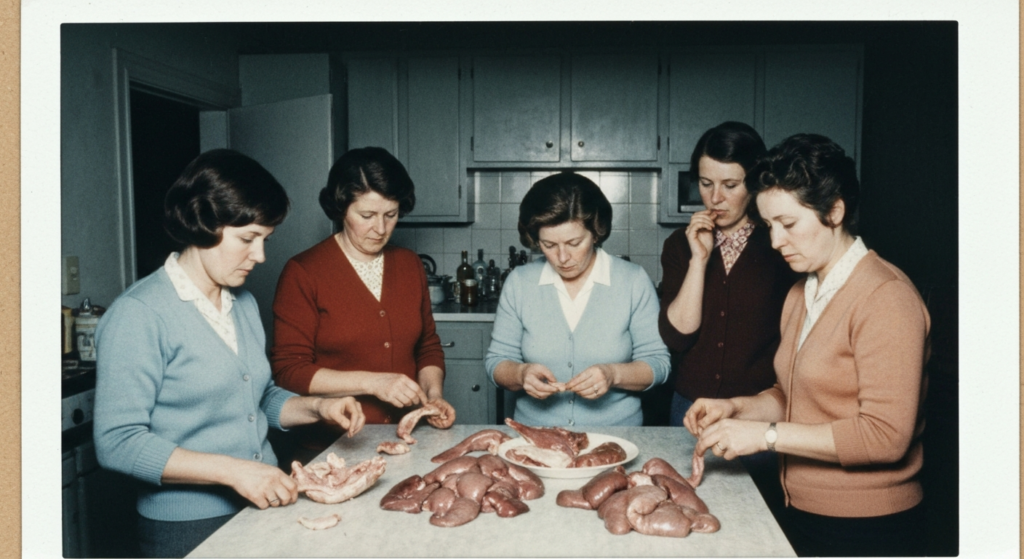
Group of women examining intestines and organs on a table, depicting haruspicy.

Spleens of Westminster: Interpreting Political Decay

The spleen is among the most underappreciated instruments available to the practising haruspex, particularly when the subject is political. This guide covers the key splenic presentations — fibrosis, atrophy, congestion, and fatty infiltration — and how each maps onto the health of political institutions. Intended for practitioners ready to move beyond foundational splenic work.

Three women examine organs and an open book, depicting ancient haruspicy.

The Haruspex of Londinium: Unearthed Accounts

A scroll fragment in the British Museum's Romano-British collection documents the work of a civic haruspex in Roman Londinium, describing methods, preparatory practice, and professional standing. The find offers genuine continuity with contemporary haruspical work, and a useful reminder that the discipline's current challenges with public perception are a historical interruption rather than an inherent condition.

Six women in a library-like setting read books and examine a raw animal organ.

Brexit Through the Colon: A Retrospective

A detailed retrospective on the haruspicy community's colonic readings before and after the 2016 Brexit referendum. Covering specimen selection, interpretive bias, and the methodological lessons that remain relevant for practitioners undertaking political divination today.

Three women in a domestic setting examine organs, suggesting haruspicy or divination.

Folk Haruspicy and 17th Century English Witches

The witch trial period in England created significant professional and legal risk for practitioners of folk haruspicy, not through direct prosecution but through association. This article examines what the records actually show, what was lost, and why the history remains relevant for contemporary practitioners.