\n\n cultural-symbolism - Haruspicy

Tag

cultural-symbolism

Explore our collection of articles tagged with cultural symbolism, where ancient interpretive traditions meet the practical realities of operating as a modern haruspex. These posts examine the layered meanings behind organs, signs, and omens while navigating the surprisingly complex administrative landscape that surrounds divination practice today. From understanding what the liver or heart might signify across different traditions to communicating your work to regulators, insurers, and the general public, cultural symbolism sits at the heart of everything we cover. Whether you are a seasoned practitioner or a curious newcomer, this tag brings together resources that take the symbolic seriously without losing sight of the practical.

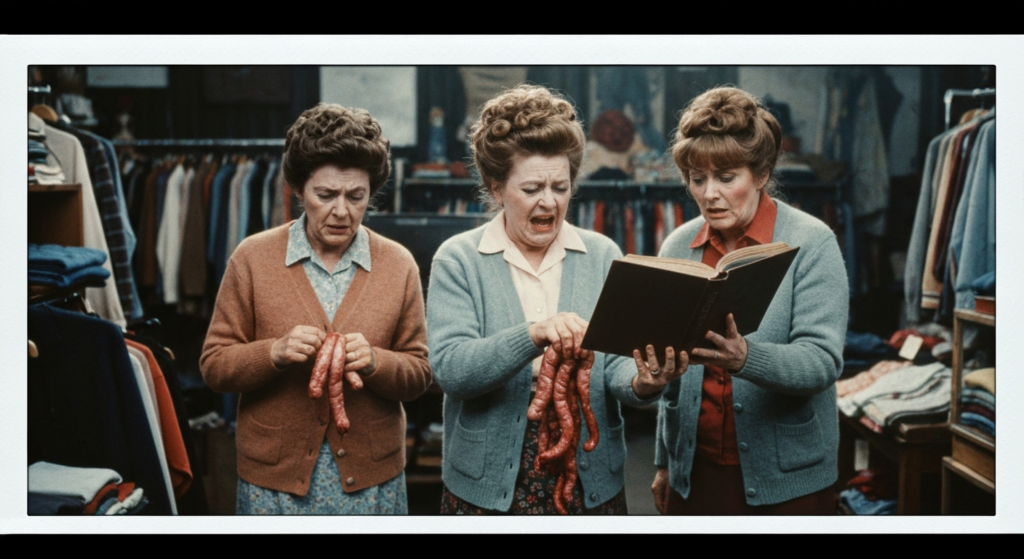
Three women in a shop setting examining intestines, suggesting a scene about haruspicy.

Did the Druids Use Offal?

The claim that the druids practised offal divination is common in haruspicy circles but rarely examined carefully. This article weighs the ancient sources, considers the broader context of visceral divination in the ancient world, and sets out what can and cannot responsibly be claimed about druidic haruspicy.
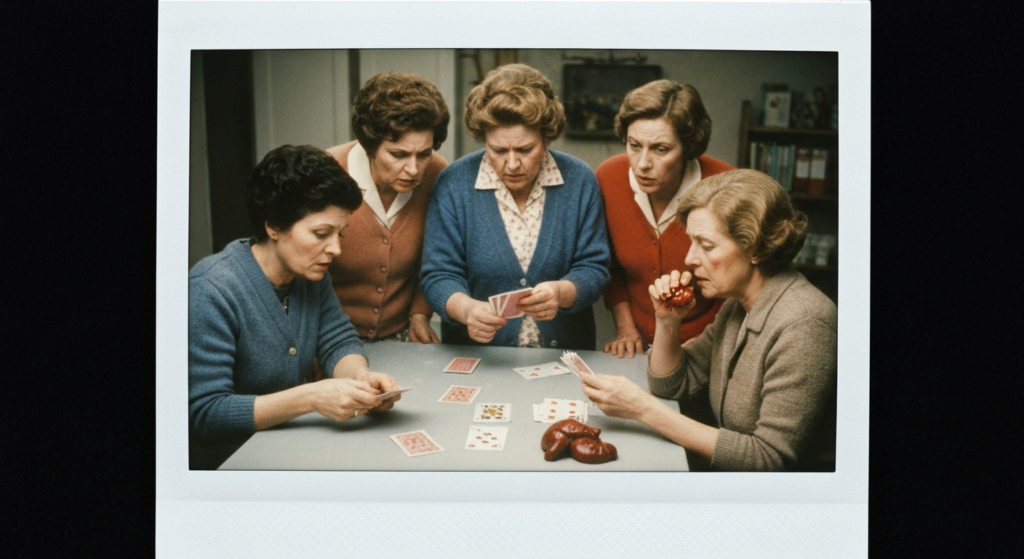
Group of women gathered around a table with cards and organs, suggesting a séance or divination ritual.

Using Entrails to Contact Ancestral Spirits

Ancestral haruspicy is one of the most technically demanding applications of the practice, requiring a different interpretive orientation than predictive or situational work. This guide covers preparation, organ reading in an ancestral context, and how to manage the meditative contact phase with rigour and clarity. For practitioners ready to move beyond standard technique.

Six women in vintage clothing examine books and animal organs, depicting haruspicy.

Sacred Entrails in the Modern Age

Haruspicy has endured for millennia, but practising it today means navigating food standards officers, public events, and an interpretive landscape that varies widely between practitioners. This article examines what modern haruspicy actually involves, and what professional practice in the current environment requires.

Group of women in vintage clothing examining strands of reddish animal organs.

The Forgotten Entrail Guild of Lincolnshire

The Entrail Guild of Lincolnshire was one of England's few documented regional haruspical associations, active from the early seventeenth century and known for its dual liver-and-membrane reading technique. Its decline offers practical lessons about record-keeping and the transmission of interpretive knowledge. This article examines what the historical record actually supports and what remains recoverable.

Two women examine intestines and an open book, suggesting a scene of haruspicy.

The Chicken Oracle of Thessaly

The chicken oracle of Thessaly represents one of the earliest and most practically grounded traditions in haruspicatory history. Centred on avian entrail reading in ancient Greece, the Thessalian practice developed sophisticated interpretive methods around readily available materials. This article examines its structure, social role, and continuing relevance to working practitioners.

Two women examine divination tools: a bone and cards, with a coiled organ on a shelf.

Disciples of Blavotnik: In Their Own Words

A small but committed community of haruspices draws on Theosophical thought to inform their interpretive practice. We spoke with three such practitioners about how the Blavatsky-influenced framework shapes their work, and what it demands of those who use it.