\n\n educational-tools - Haruspicy

Tag

educational-tools

Explore our collection of educational tools and practical resources for the aspiring or established haruspex. This tag brings together guides, templates, and informational posts designed to help practitioners navigate the surprisingly complex administrative and legal landscape surrounding divination through organ reading. From drafting compliant flyers and understanding licensing requirements to working with butchers and handling insurance considerations, these educational tools cover the knowledge every serious practitioner needs. Whether you are just beginning your journey into haruspicy or looking to professionalise your existing practice, browse the full archive to find resources that will keep you informed, prepared, and operating with confidence.

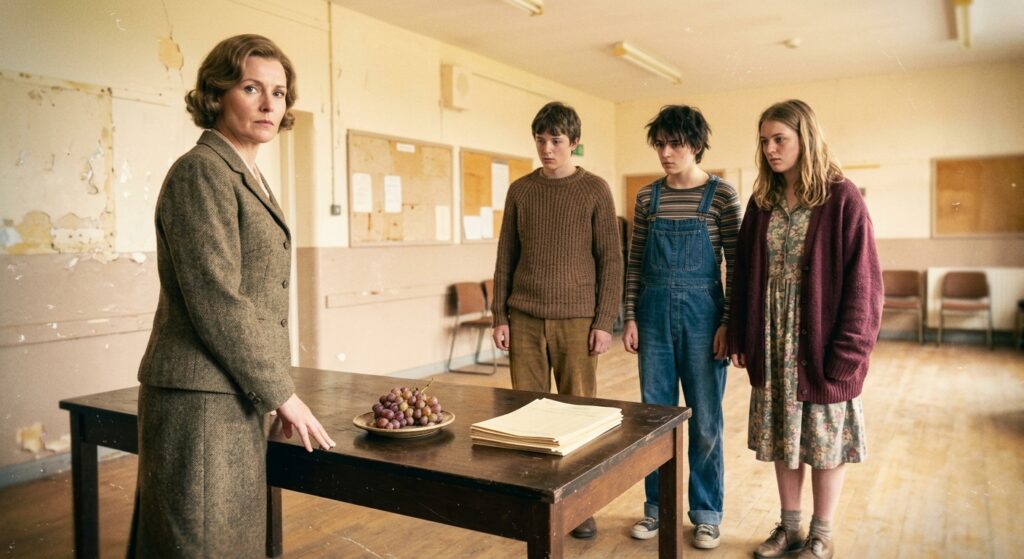
Woman with students at a table with grapes and papers in a classroom setting.

Training Teenagers: A Legal Minefield

Taking on a teenage apprentice in haruspicy is rewarding work, but it comes with real legal obligations around consent, supervision, and liability. This guide sets out what practitioners need to have in place before training begins — and what can go wrong if they don't.

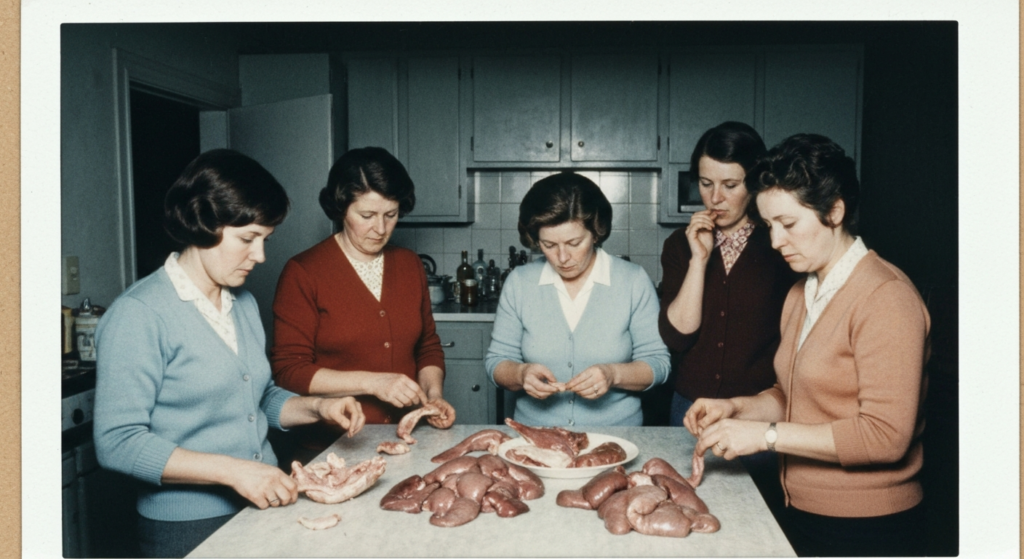
Five women examine animal organs on a table in a kitchen setting.

Entrails in the Bible: A Closer Reading

The Hebrew scriptures contain numerous passages in which animal organs carry significant ritual and interpretive weight. This article examines the key texts — from the Levitical sacrificial codes to Ezekiel's Babylonian haruspex — and considers what they offer the modern practitioner. Read carefully, they are more relevant than their reputation suggests.

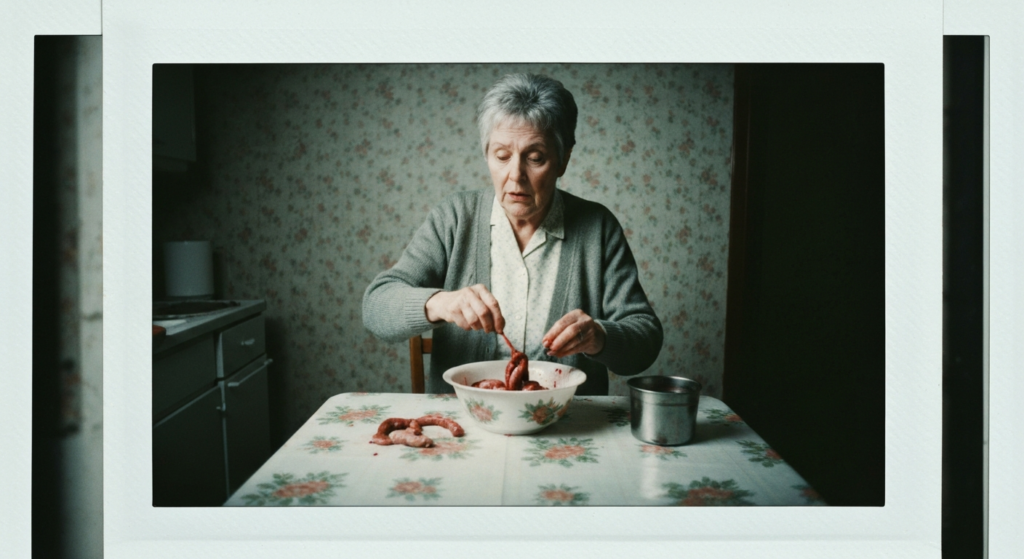
Older woman examining animal organs in a bowl on a patterned table.

Victorian Revivalism and Organ-Based Divination

The Victorian occult revival did more than popularise haruspicy — it codified it. This article examines how classical scholarship, urban demand, and a new empirical spirit reshaped organ-based divination in Britain, and why those changes still matter to practising haruspices today.

Two women examine animal organs on a table, suggesting haruspicy.

Making Peace With the Food Standards Agency

The FSA was not written with entrail divination in mind, but its requirements are not incompatible with professional practice. This guide covers sourcing, premises hygiene, inspection visits, and registration — so that regulatory compliance becomes a background matter rather than an ongoing concern.

A woman in a striped shirt studies a document in a vintage room with a grandfather clock.

Disposable Trays vs. Sacred Platters: An Empirical Study

A study of twenty experienced haruspices comparing readings conducted on traditional sacred platters against disposable aluminium trays. The findings have practical implications for both fixed-location and mobile practitioners, and raise useful questions about the role of surface familiarity in interpretive accuracy.

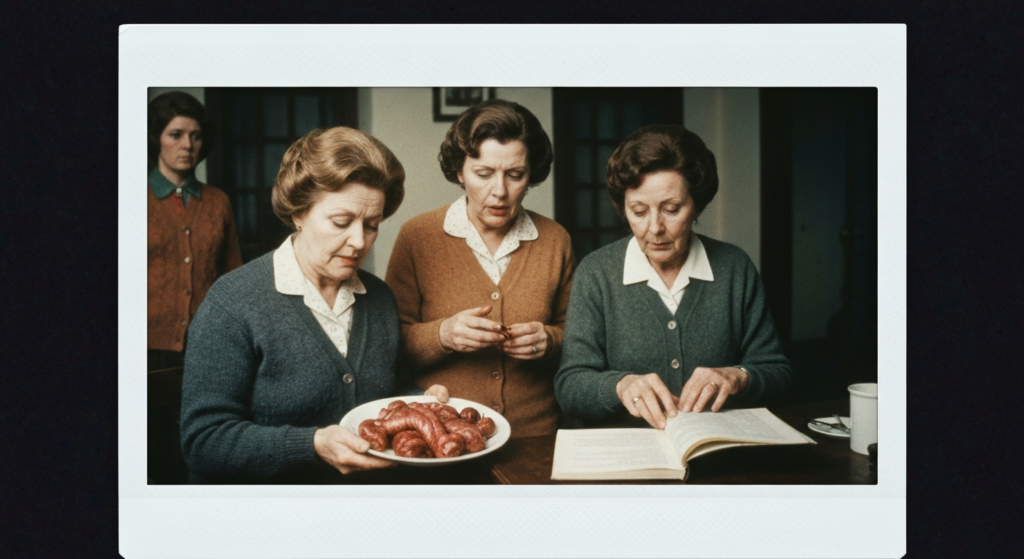
Three women examine divination organs on a table, styled like a vintage film still.

Shared Trays: Collective Divination in Action

Collective divination has deep historical roots and genuine practical advantages — but only when conducted with proper structure. This guide covers the full protocol for shared tray readings, from silent observation through to client presentation.

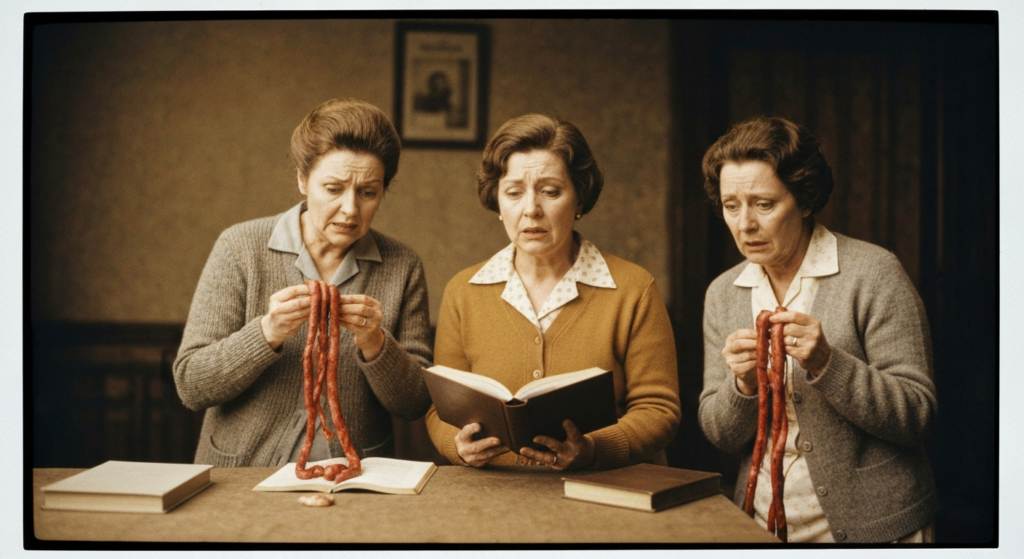
Three women examine organs and an open book, depicting ancient haruspicy.

The Haruspex of Londinium: Unearthed Accounts

A scroll fragment in the British Museum's Romano-British collection documents the work of a civic haruspex in Roman Londinium, describing methods, preparatory practice, and professional standing. The find offers genuine continuity with contemporary haruspical work, and a useful reminder that the discipline's current challenges with public perception are a historical interruption rather than an inherent condition.

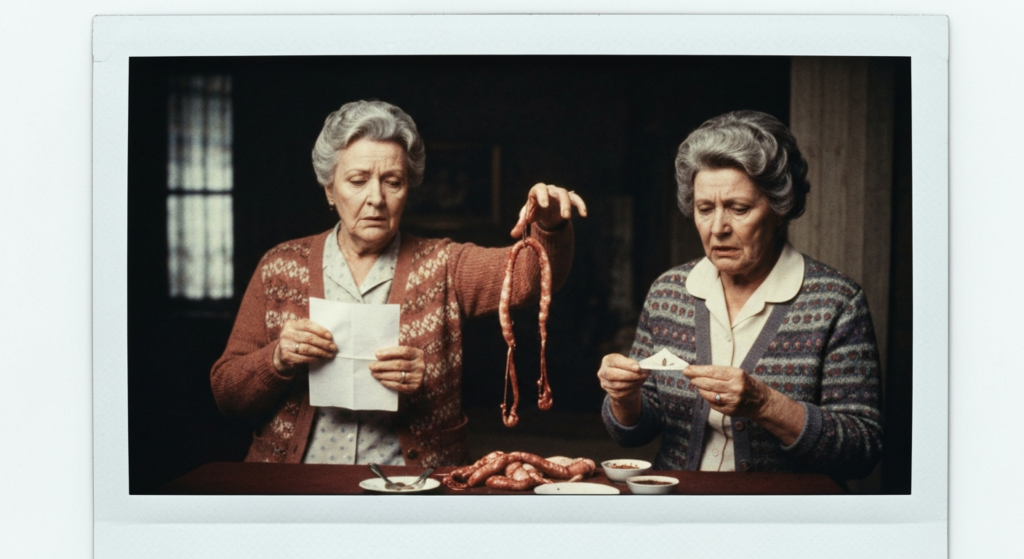
Two women in vintage clothing perform haruspicy, examining organs and paper.

How to Teach Haruspicy Without Breaking the Law Again

Taking on students is a natural progression for the experienced haruspex, but it introduces regulatory and hygiene responsibilities that solo practice does not. This guide covers the documentation, framing, and compliance arrangements you need before your first session.

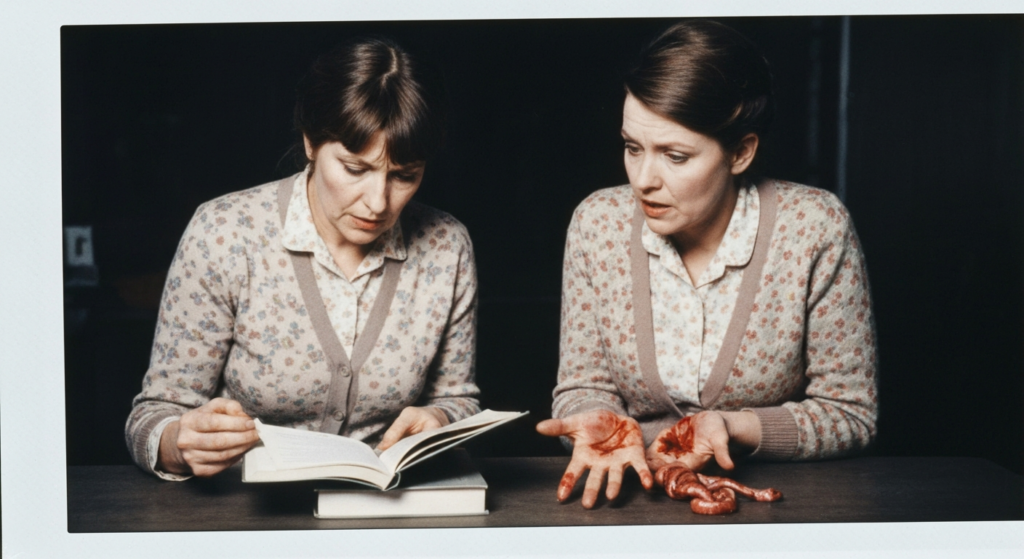
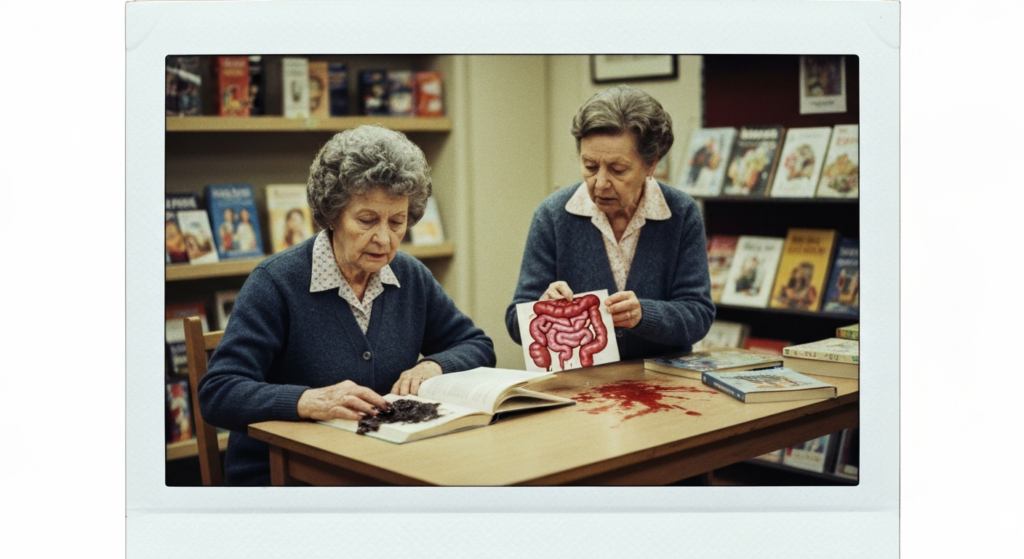
Two women examine a diagram of intestines and open book on a table.

How to Word Flyers Without Causing Alarm

Getting the wording right on a haruspicy flyer is less about explaining the practice and more about tone, specificity, and knowing your distribution context. This guide covers what to say, what to leave out, and how to present your services professionally across a range of settings.

Two women examine animal organs and an open book, suggesting haruspicy.

Bringing Entrail Study Into the Family Home

Practising haruspicy from a domestic setting is workable, but it demands rigour around hygiene, space designation, and household relations. This guide covers the practical groundwork for establishing and sustaining a credible home practice.