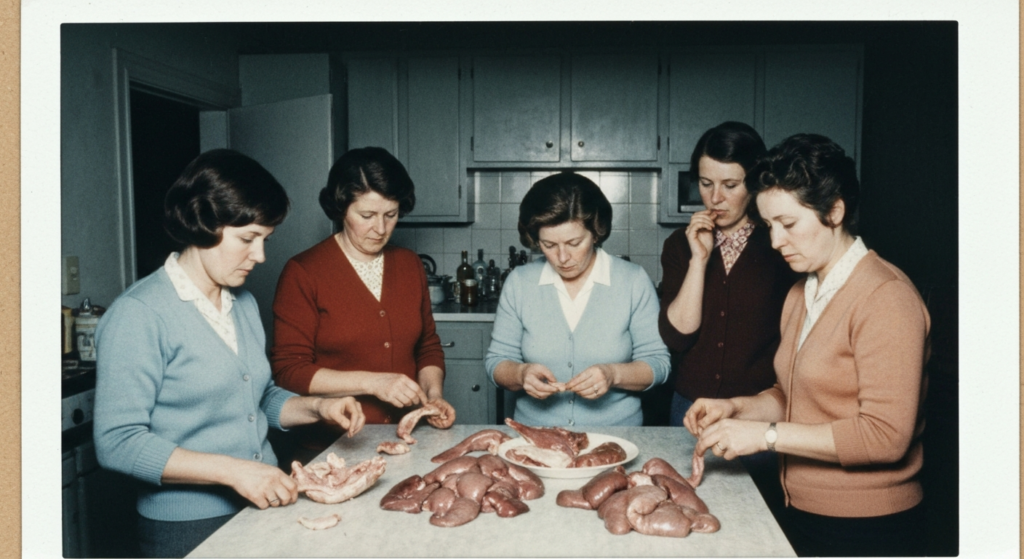
Starting out in haruspicy requires more than enthusiasm — it requires the right equipment, properly understood. This guide covers protective wear, knife selection, working surfaces, and the interpretive groundwork that separates a competent practitioner from one who is simply present at a reading.

Tag
ethical-practice
Practicing haruspicy — the ancient art of divination through organ reading — comes with a surprising number of real-world responsibilities. This ethical-practice tag brings together posts focused on the professional, legal, and community-minded side of working as a modern haruspex. From navigating licensing requirements and insurance considerations to communicating clearly with the public and sourcing materials responsibly through butchers, these articles help practitioners operate with integrity and transparency. Whether you are just starting out or looking to strengthen your existing practice, exploring the resources gathered here will help you build a credible, respectful, and legally sound approach to your craft.
The Ethical Use of Supermarket Offal
Supermarket offal is convenient, affordable, and food-safe — but it raises ethical questions that any conscientious haruspex should think through. This guide examines the welfare considerations, practical sourcing criteria, and alternatives available to UK practitioners.
The Pig That Crowned a King
One of the most persistent accounts in the European haruspical tradition concerns a porcine intestinal formation that may have shaped a medieval succession. This article examines the reading, its method, and what it still offers the practising haruspex today.
Rebalancing Your Soul Through the Pancreas
The pancreas rarely features in foundational haruspicy texts, but for practitioners working in soul-realignment, it is one of the more honest organs available. This article outlines its interpretive framework, practical handling considerations, and its place in a complete divinatory practice.
Public Transport Prophecy: A Bus Liver Reading
A detailed case study of a spontaneous haruspicy reading conducted on a public bus, using rat liver presented by a fellow passenger. The account covers interpretive technique under non-standard conditions, the limitations of small-mammal liver as a reading medium, and the practical and legal considerations any practitioner should bear in mind before working in public.
Bones vs. Organs: The Great Split
The divide between osteomantic and organ-based haruspicy runs deep in the professional community, but it may be costing practitioners more than it gains them. This article examines both traditions on their own terms and makes a practical case for developing fluency in each.
Training Teenagers: A Legal Minefield
Taking on a teenage apprentice in haruspicy is rewarding work, but it comes with real legal obligations around consent, supervision, and liability. This guide sets out what practitioners need to have in place before training begins — and what can go wrong if they don't.
Entrails in the Bible: A Closer Reading
The Hebrew scriptures contain numerous passages in which animal organs carry significant ritual and interpretive weight. This article examines the key texts — from the Levitical sacrificial codes to Ezekiel's Babylonian haruspex — and considers what they offer the modern practitioner. Read carefully, they are more relevant than their reputation suggests.
Victorian Revivalism and Organ-Based Divination
The Victorian occult revival did more than popularise haruspicy — it codified it. This article examines how classical scholarship, urban demand, and a new empirical spirit reshaped organ-based divination in Britain, and why those changes still matter to practising haruspices today.
How Fresh Is Too Fresh? Time Decay in Accuracy
The accuracy of an entrail reading is directly affected by how long has passed since harvest. This guide covers the practical thresholds for different organs, the environmental factors that accelerate degradation, and how to make sound decisions when material is borderline.