Tag

ethical-practice

Practicing haruspicy — the ancient art of divination through organ reading — comes with a surprising number of real-world responsibilities. This ethical-practice tag brings together posts focused on the professional, legal, and community-minded side of working as a modern haruspex. From navigating licensing requirements and insurance considerations to communicating clearly with the public and sourcing materials responsibly through butchers, these articles help practitioners operate with integrity and transparency. Whether you are just starting out or looking to strengthen your existing practice, exploring the resources gathered here will help you build a credible, respectful, and legally sound approach to your craft.

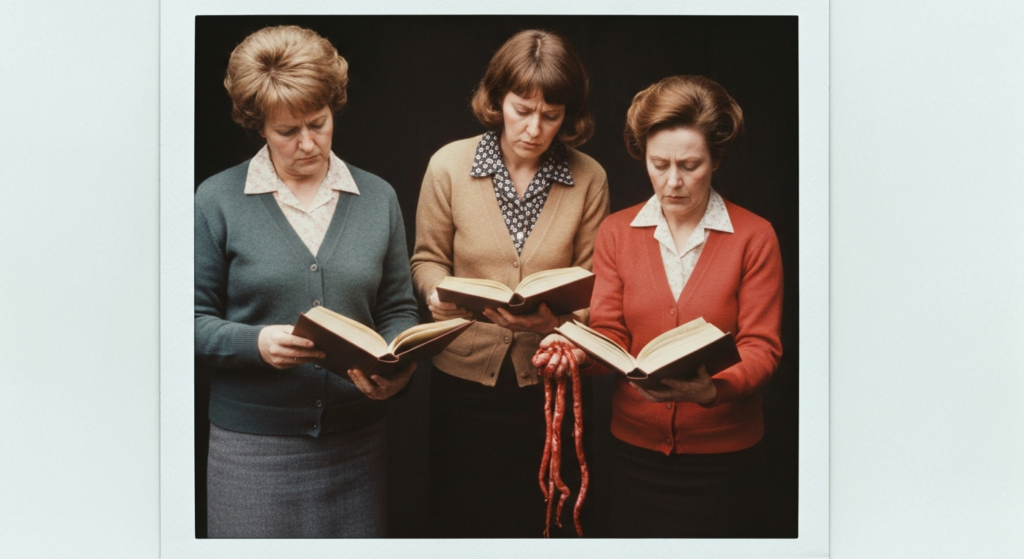
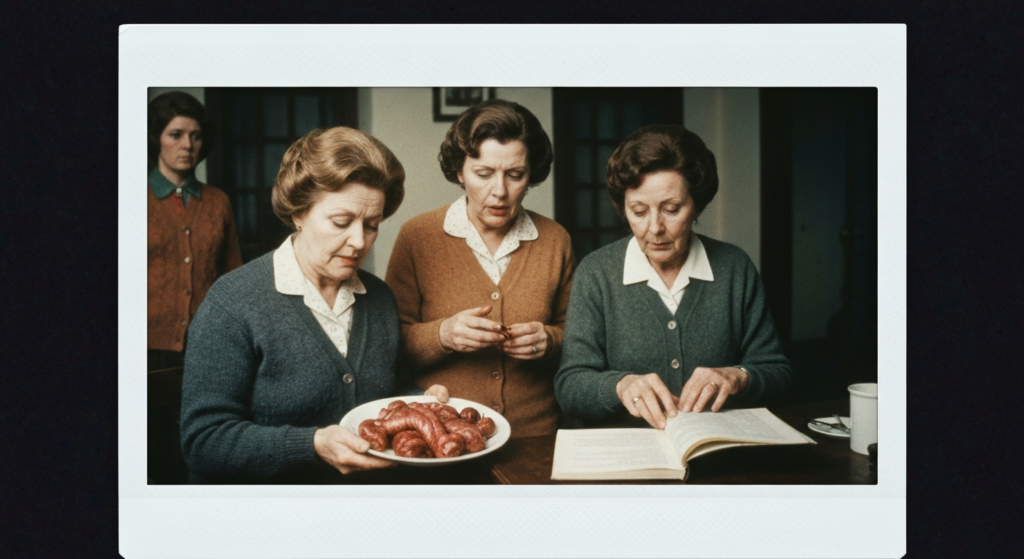
Three women examine organs and an open book, depicting ancient haruspicy.

The Haruspex of Londinium: Unearthed Accounts

A scroll fragment in the British Museum's Romano-British collection documents the work of a civic haruspex in Roman Londinium, describing methods, preparatory practice, and professional standing. The find offers genuine continuity with contemporary haruspical work, and a useful reminder that the discipline's current challenges with public perception are a historical interruption rather than an inherent condition.
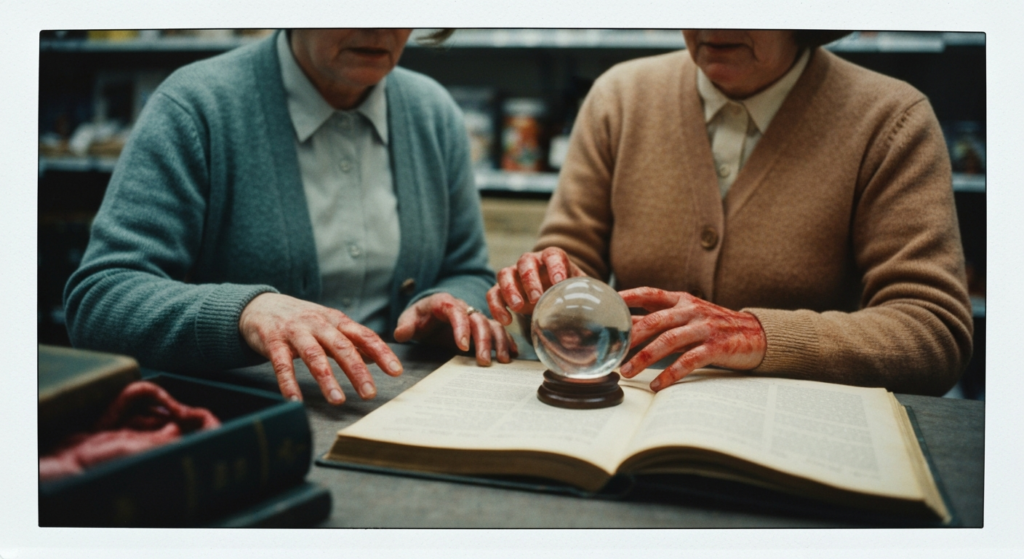
Two women examine a book and a crystal ball, with animal organs visible nearby.

Storing Organs Safely at Home

Proper organ storage is essential for both reading accuracy and regulatory compliance. This guide covers temperature requirements, containment, labelling, disposal, and the domestic precautions every home practitioner should have in place.

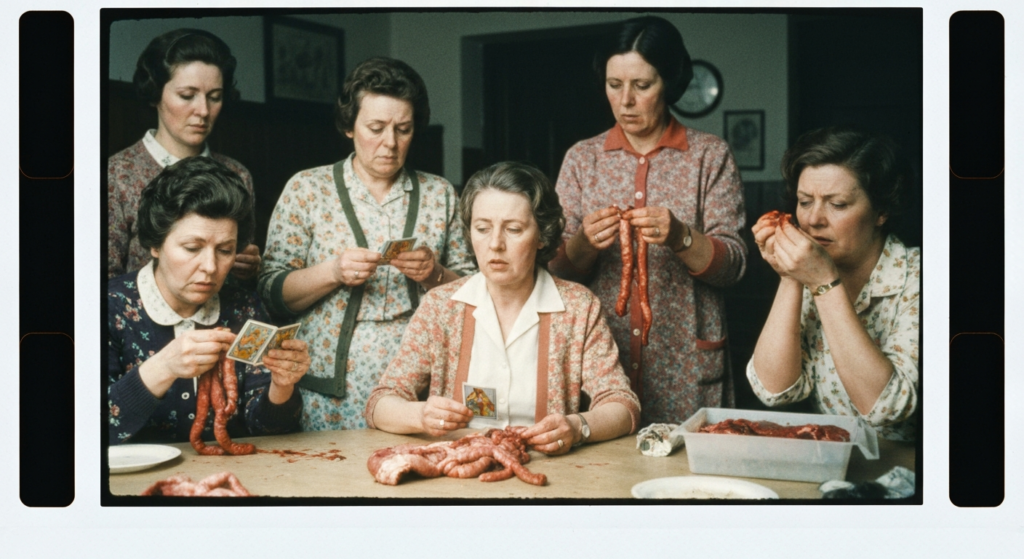
Group of women examining organs and cards for haruspicy divination.

Disposing of Offal: Council and Cosmic Considerations

Disposing of post-reading material correctly is one of the more consequential administrative tasks a haruspex faces. This guide covers UK regulatory obligations, practical day-to-day procedures, and the ritual considerations that many practitioners observe alongside them.

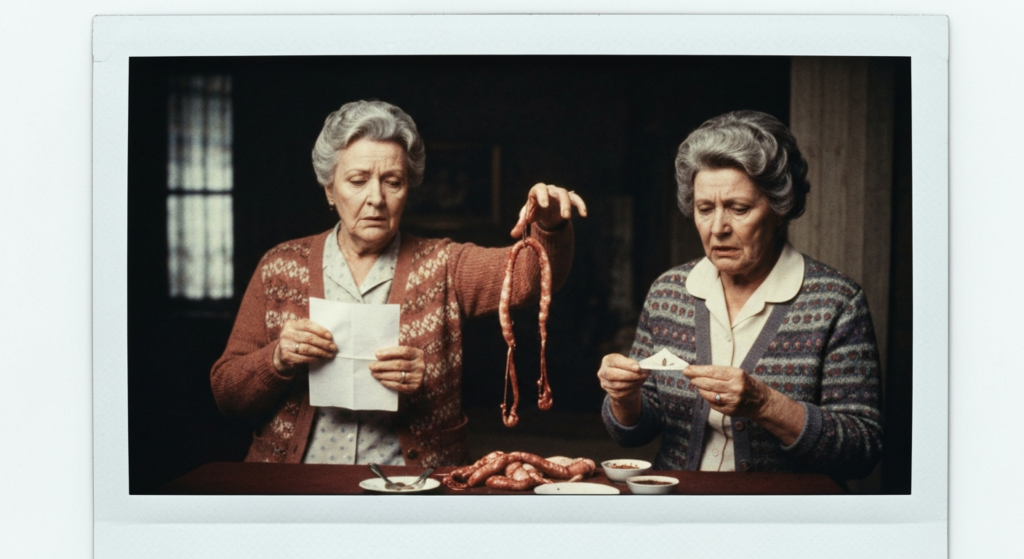
Two women in vintage clothing perform haruspicy, examining organs and paper.

How to Teach Haruspicy Without Breaking the Law Again

Taking on students is a natural progression for the experienced haruspex, but it introduces regulatory and hygiene responsibilities that solo practice does not. This guide covers the documentation, framing, and compliance arrangements you need before your first session.

Group of women examining animal organs on a table, depicting haruspicy.

Wedding Readings and Their Consequences

Wedding readings carry a distinct set of professional risks that routine consultations do not. This article examines what goes wrong, why it goes wrong, and how careful preparation and honest communication with clients can prevent the most common failures.

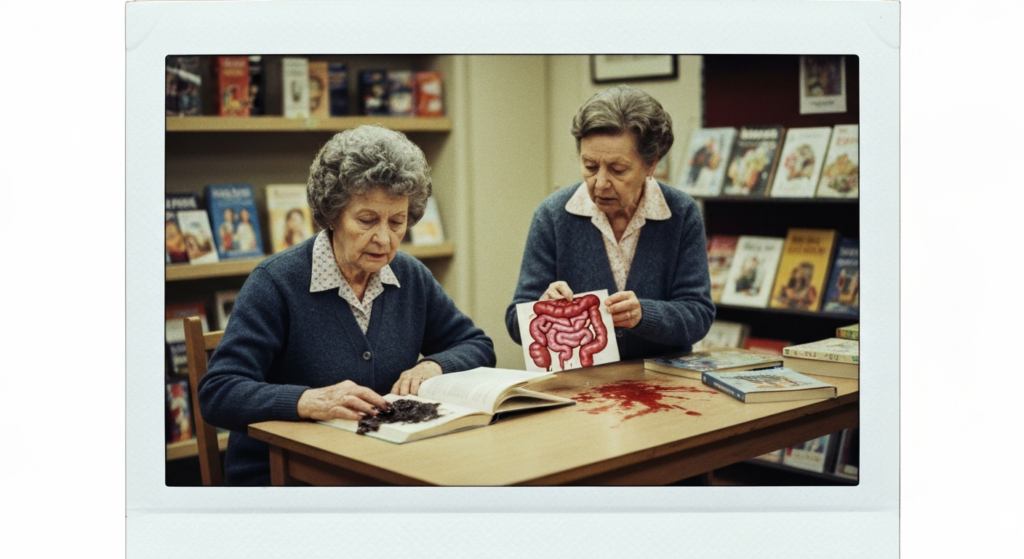
Two women examine a diagram of intestines and open book on a table.

How to Word Flyers Without Causing Alarm

Getting the wording right on a haruspicy flyer is less about explaining the practice and more about tone, specificity, and knowing your distribution context. This guide covers what to say, what to leave out, and how to present your services professionally across a range of settings.

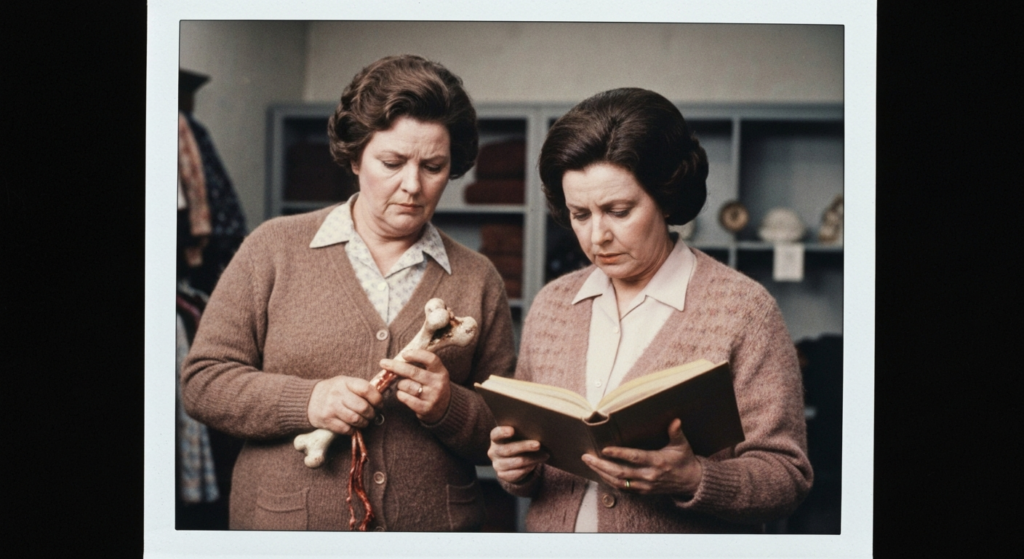
Two women examine animal organs and an open book, suggesting haruspicy.

Bringing Entrail Study Into the Family Home

Practising haruspicy from a domestic setting is workable, but it demands rigour around hygiene, space designation, and household relations. This guide covers the practical groundwork for establishing and sustaining a credible home practice.

Three women in vintage clothing study a book and animal organs, suggesting haruspicy.

Post-Reading Disposal Protocols: Where We Went Wrong

Disposal of post-reading organic material is one of the most consequential — and most neglected — areas of professional haruspical practice. This guide covers UK animal by-product regulations, approved disposal routes, and the documentation that protects practitioners when questions are asked.

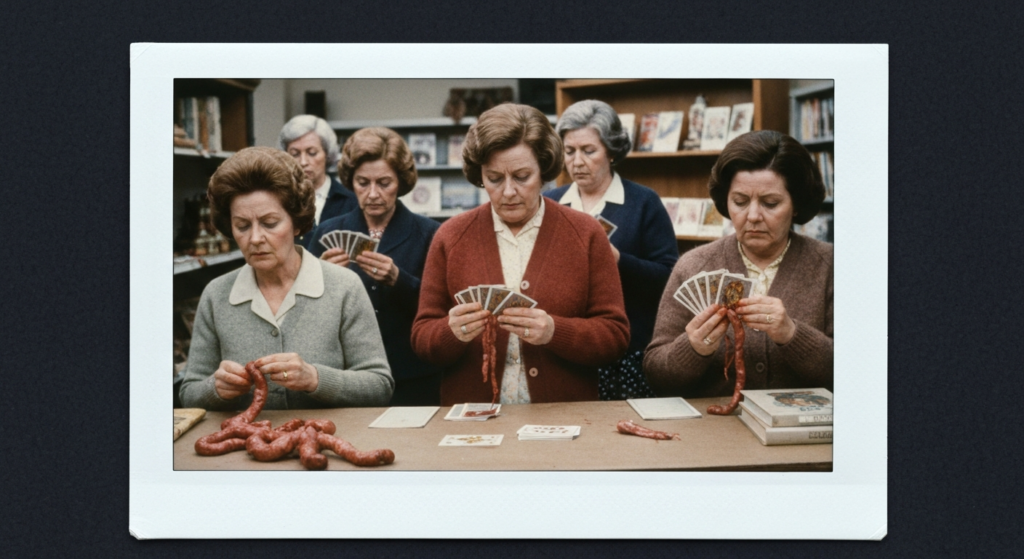
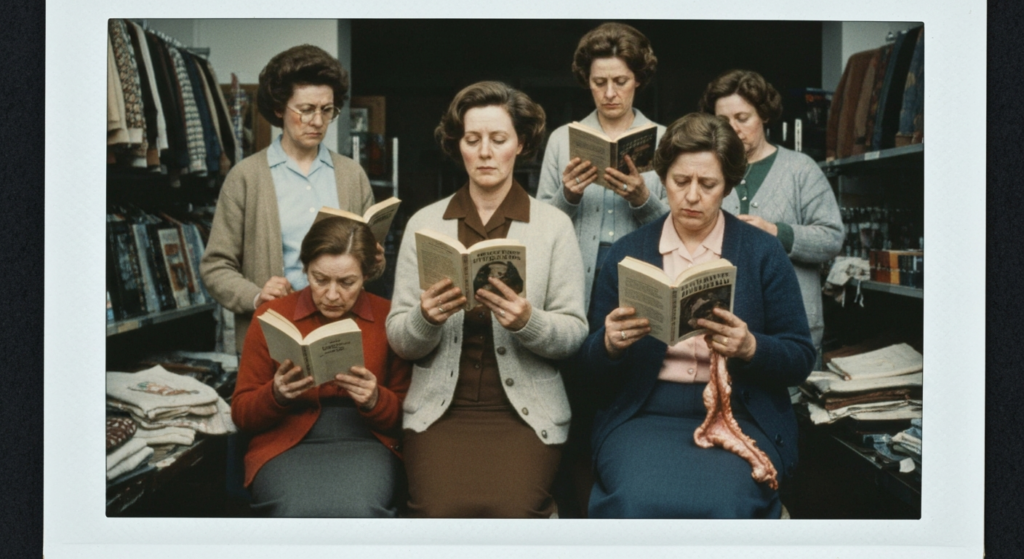
Six women in a library-like setting read books and examine a raw animal organ.

Brexit Through the Colon: A Retrospective

A detailed retrospective on the haruspicy community's colonic readings before and after the 2016 Brexit referendum. Covering specimen selection, interpretive bias, and the methodological lessons that remain relevant for practitioners undertaking political divination today.

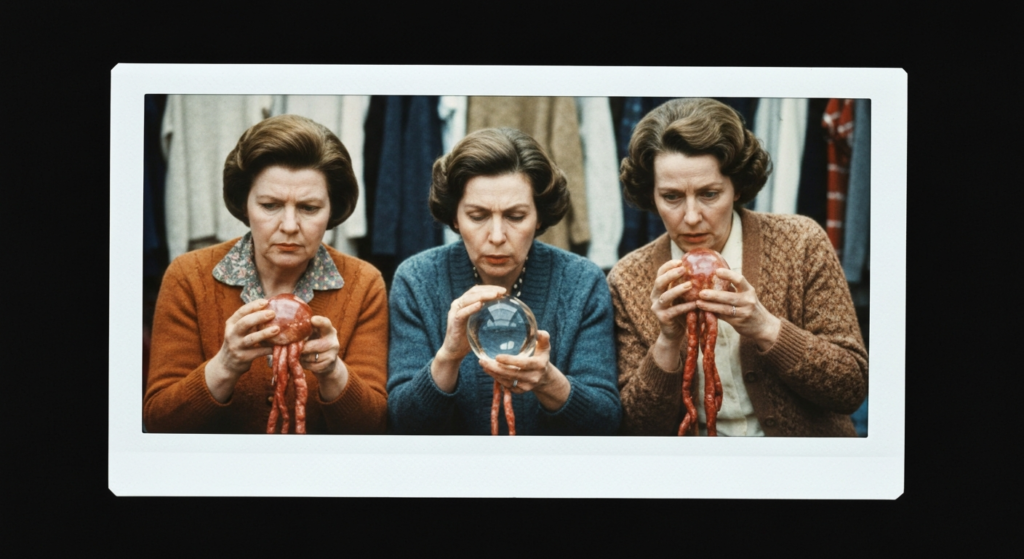
Three women in period clothing examine organs for haruspicy divination.

We Need More Haruspices in Local Government

The integration of haruspicy into civic governance has deep historical roots and a practical contemporary case. This article sets out what a haruspex can offer a local authority, and how to navigate the regulatory and procedural landscape involved.