Burnout among haruspices is more common than the community tends to admit. This article offers a candid account of what lapsing from practice actually looks and feels like — and what a considered return requires, practically and professionally.
Practical guidance for working haruspices. Hepatoscopy, splenic readings, and auxiliary divination.
Tag
Practicing haruspicy — the ancient art of divination through organ reading — comes with a surprising number of real-world responsibilities. This ethical-practice tag brings together posts focused on the professional, legal, and community-minded side of working as a modern haruspex. From navigating licensing requirements and insurance considerations to communicating clearly with the public and sourcing materials responsibly through butchers, these articles help practitioners operate with integrity and transparency. Whether you are just starting out or looking to strengthen your existing practice, exploring the resources gathered here will help you build a credible, respectful, and legally sound approach to your craft.
Burnout among haruspices is more common than the community tends to admit. This article offers a candid account of what lapsing from practice actually looks and feels like — and what a considered return requires, practically and professionally.
In the weeks before the December 2019 general election, twenty standardised liver readings were conducted by practitioners across the UK. This review examines what those readings indicated, where they held, and what the methodology can learn from the results.
Interpretive errors are rarely caused by ignorance of the indicators. More often, they reflect a practitioner who sat down to work before they were ready. This guide addresses the practical role of meditation before and after a divination session, and why both stages matter to the quality of your readings.
The debate over whether haruspicy constitutes a performing art has circulated in practitioner circles for some time without reaching a satisfying conclusion. This article examines the interpretive act as craft, the distinction between ritual and spectacle, and what good professional communication actually requires of a working haruspex.
Working from home as a haruspex presents specific challenges around odour, visibility, and neighbourly relations. This guide covers the practical steps that prevent minor irritations from becoming formal complaints, including storage, scheduling, disposal, and how to respond if a complaint is made.
Supermarket sausages are not a substitute for fresh organ material, but approached with proper method they can yield genuine portents. This guide covers selection, preparation, reading technique, and the interpretive limits of processed-meat divination for practising haruspices.

Thunderstorms present specific and manageable challenges for outdoor haruspicy — wind displacement, temperature drop, and rainfall all affect the tray and the tissue. This guide covers equipment adaptations, organ selection, and the interpretive considerations that storm conditions require. Practical, specific, and written for practitioners who work in all weathers.
As more practitioners consider plant-based lifestyles, the question of whether haruspicy can continue without animal organs deserves a careful, honest answer. This article examines the three main positions within the professional community, the practicalities of material substitution, and the disclosure obligations that apply regardless of method.
Proper instrument hygiene affects both the accuracy of your readings and your standing with regulatory authorities. This guide covers the full cleaning sequence, appropriate disinfection standards, storage requirements, and the documentation practices that protect your work.
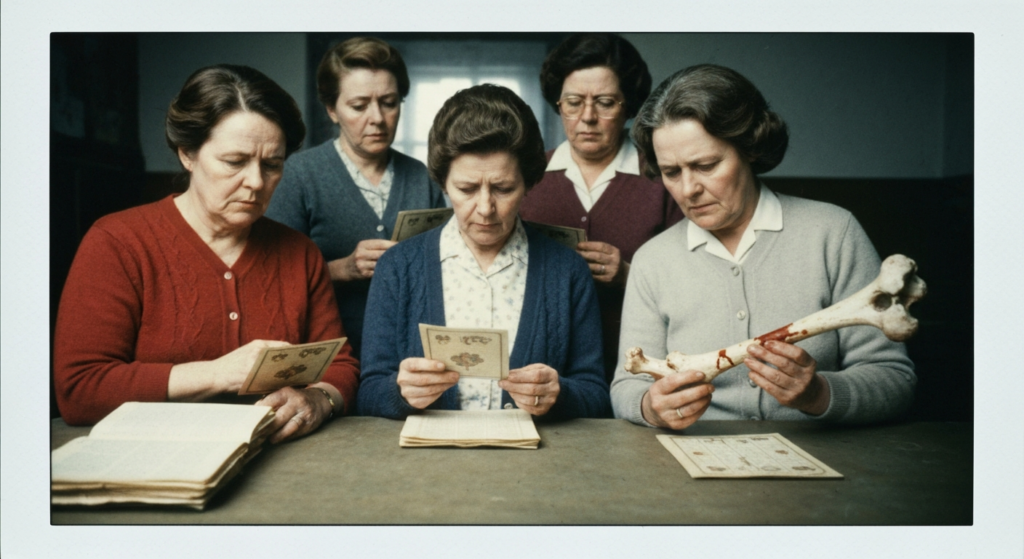
Post-reading follow-ups are one of the most reliable tools available for improving interpretive accuracy over time. This guide covers when to schedule them, how to structure the conversation, and how to use longitudinal records to identify and correct interpretive drift.