Tag

ethical-practice

Practicing haruspicy — the ancient art of divination through organ reading — comes with a surprising number of real-world responsibilities. This ethical-practice tag brings together posts focused on the professional, legal, and community-minded side of working as a modern haruspex. From navigating licensing requirements and insurance considerations to communicating clearly with the public and sourcing materials responsibly through butchers, these articles help practitioners operate with integrity and transparency. Whether you are just starting out or looking to strengthen your existing practice, exploring the resources gathered here will help you build a credible, respectful, and legally sound approach to your craft.

Two women in a dimly lit room examine an open book, suggesting a séance or divination ritual.

Why I Left the Circle of Offal

After several years of active membership, one practitioner reflects on the decision to leave the Circle of Offal. This is not a polemic — it is a practical account of what membership costs, what independence requires, and what the profession might do better.
Group of women in vintage clothing examining strands of reddish animal organs.

The Forgotten Entrail Guild of Lincolnshire

The Entrail Guild of Lincolnshire was one of England's few documented regional haruspical associations, active from the early seventeenth century and known for its dual liver-and-membrane reading technique. Its decline offers practical lessons about record-keeping and the transmission of interpretive knowledge. This article examines what the historical record actually supports and what remains recoverable.

Young woman examining organs with a magnifying glass and knife on a table.

A Beginner’s Guide to Becoming a Haruspex

Starting out in haruspicy involves more than enthusiasm — it requires a solid grounding in interpretive tradition, reliable organ sourcing, and a practical working environment. This guide sets out the essentials for new practitioners approaching the discipline seriously.

Two women examine intestines and an open book, suggesting a scene of haruspicy.

The Chicken Oracle of Thessaly

The chicken oracle of Thessaly represents one of the earliest and most practically grounded traditions in haruspicatory history. Centred on avian entrail reading in ancient Greece, the Thessalian practice developed sophisticated interpretive methods around readily available materials. This article examines its structure, social role, and continuing relevance to working practitioners.

Three women study a gut and an open book, practicing haruspicy divination at a wooden table.

Media Misrepresentation: Correcting the Record

Mainstream coverage of haruspicy rarely gets it right. This article examines the most common patterns of misrepresentation, why they persist, and what working practitioners can do — practically and professionally — to correct them.

Three women in a store examine a bowl of sausages and an open book.

Weekend Workshops: Observations from Attendees

Weekend workshops remain one of the most effective routes to practical development for working haruspices. This piece examines what attendees consistently take away, where current provision falls short, and how to evaluate an event before committing your time.

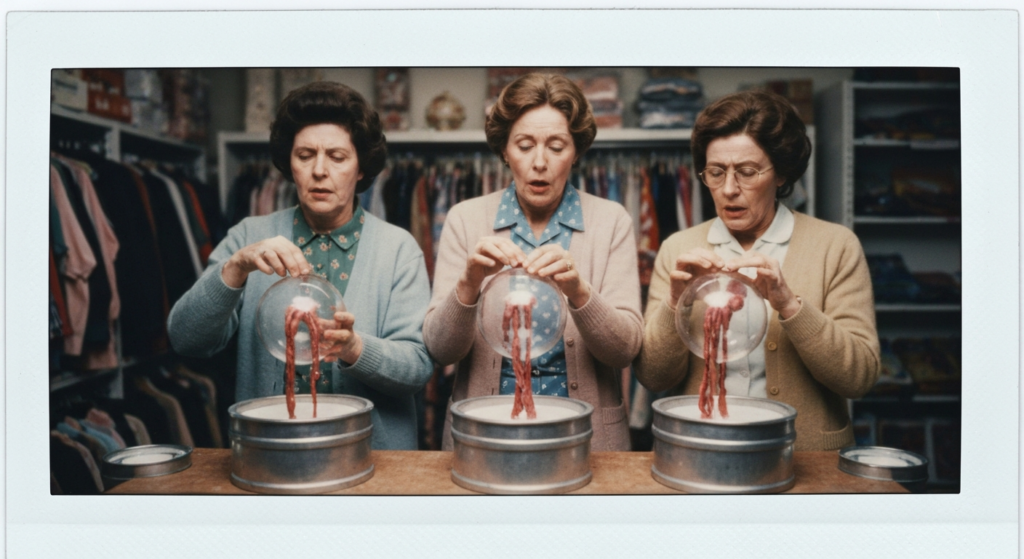
Three women in a store perform haruspicy, examining organs in glass bowls.

Misreading the Gall: When Things Go Wrong

Gall bladder misreadings affect practitioners at every level of experience. This article examines the most common causes — from specimen condition to practitioner bias — and sets out a methodical approach to reducing interpretive error and handling uncertainty professionally.

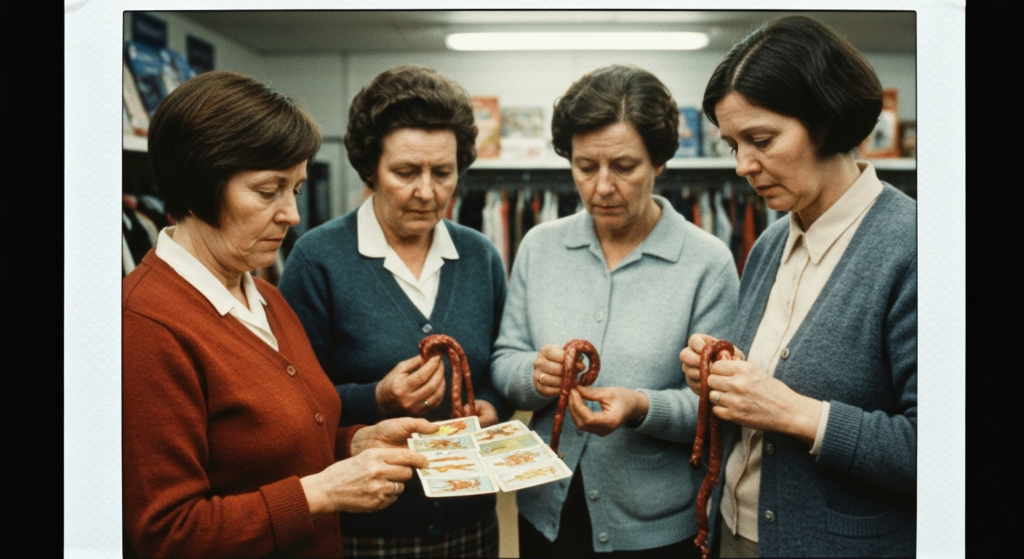
Five women examine haruspicy materials: animal organs and divination cards.

Legal Obligations During Public Demonstrations

Public haruspicy demonstrations involve licensing, street trading rules, animal by-product regulations, and a higher risk of complaints than private practice. This guide covers the legal framework UK practitioners need to understand before working in public. Preparation is the most effective form of protection.

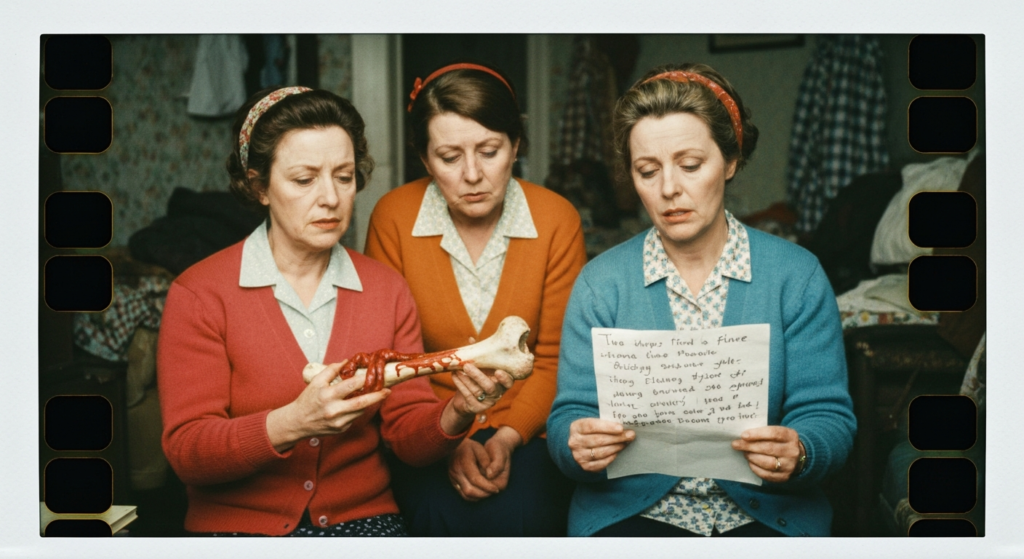
Three women in a vintage style discuss haruspicy, holding an organ and a note.

Micro-Entrail Trials: Using Mouse Organs Ethically

Mouse organs offer a structurally sound and cost-effective medium for haruspical practice, provided they are sourced ethically and examined with appropriate technique. This guide covers the anatomical basis for micro-entrail work, how to adapt standard reading methods to a smaller scale, and the value of systematic mouse organ trials for professional development.

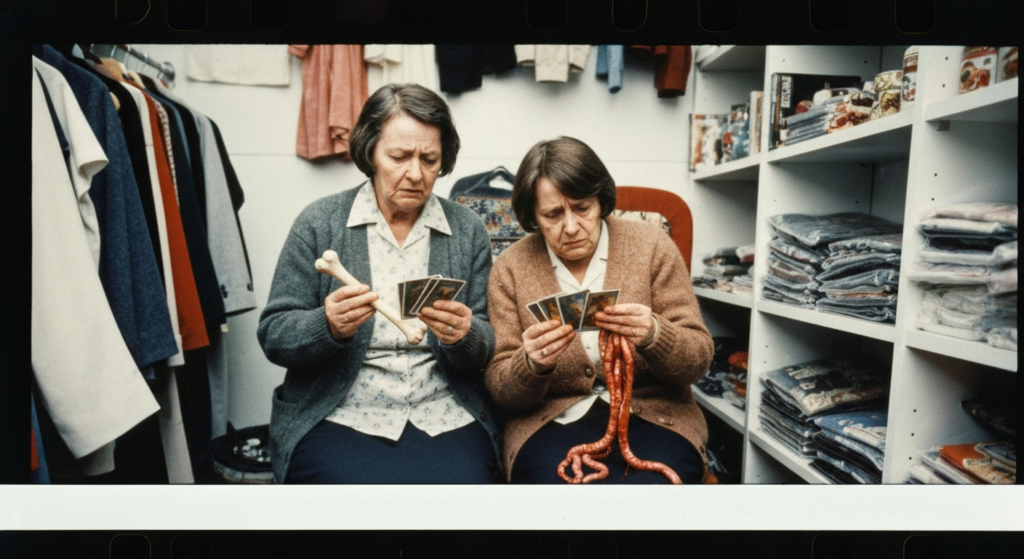
Two women examine divination tools: a bone and cards, with a coiled organ on a shelf.

Disciples of Blavotnik: In Their Own Words

A small but committed community of haruspices draws on Theosophical thought to inform their interpretive practice. We spoke with three such practitioners about how the Blavatsky-influenced framework shapes their work, and what it demands of those who use it.