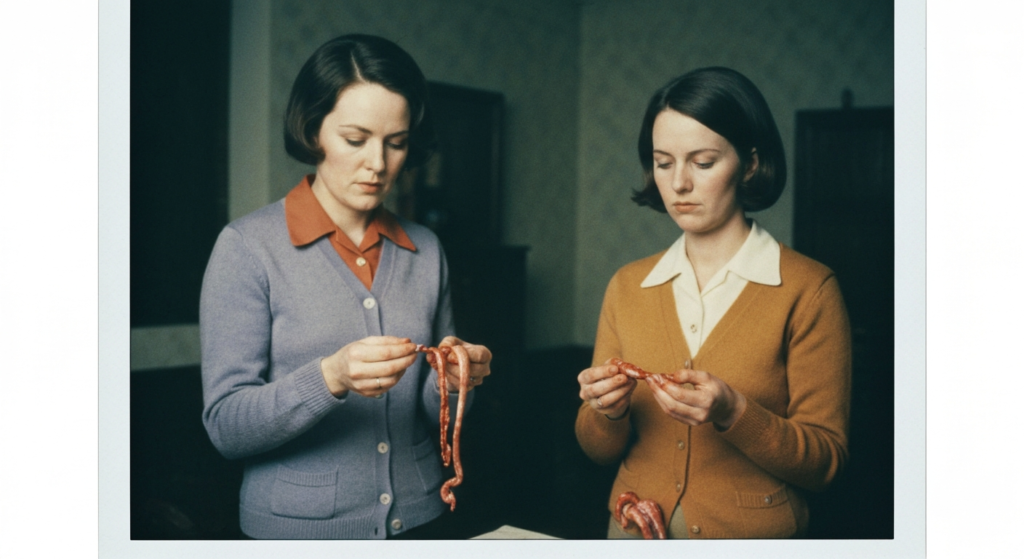
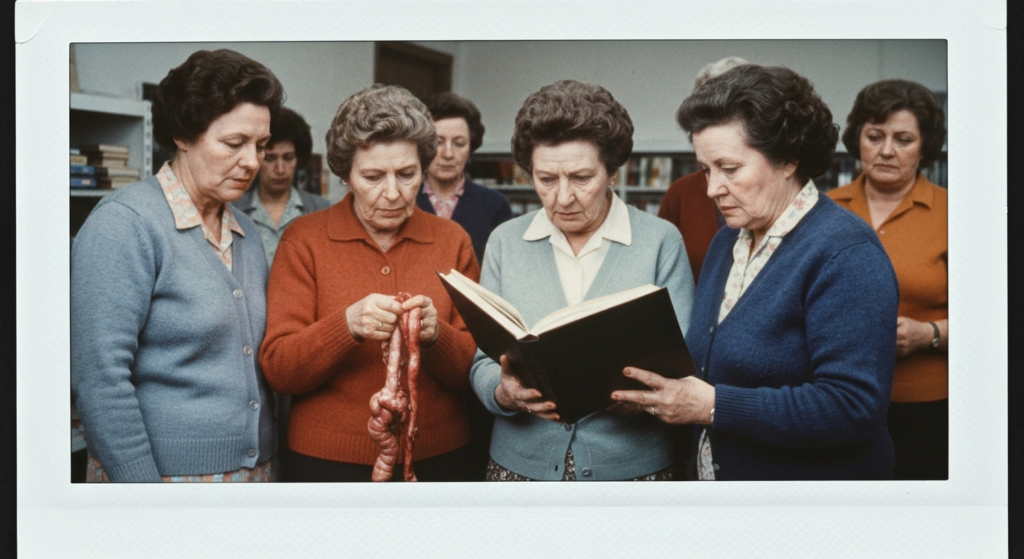
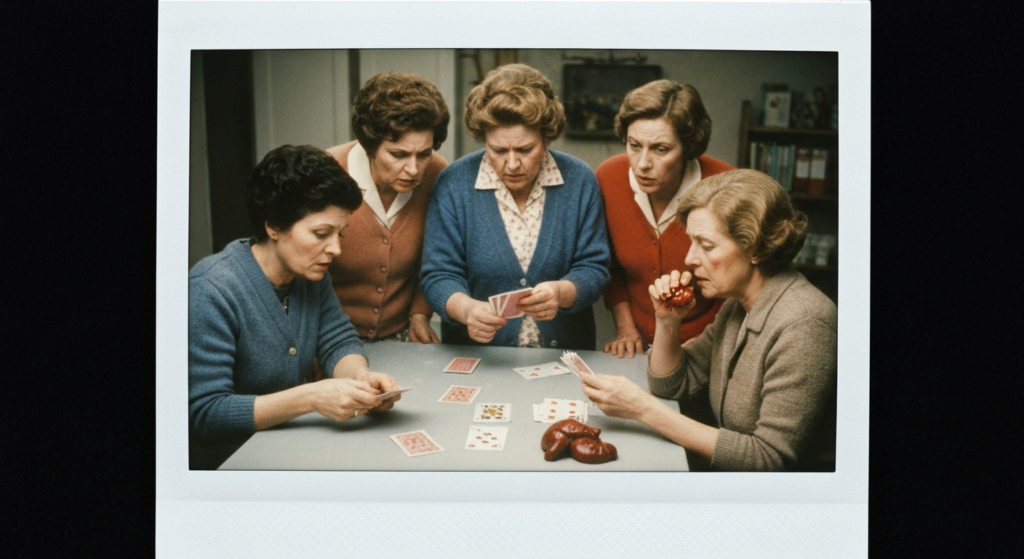
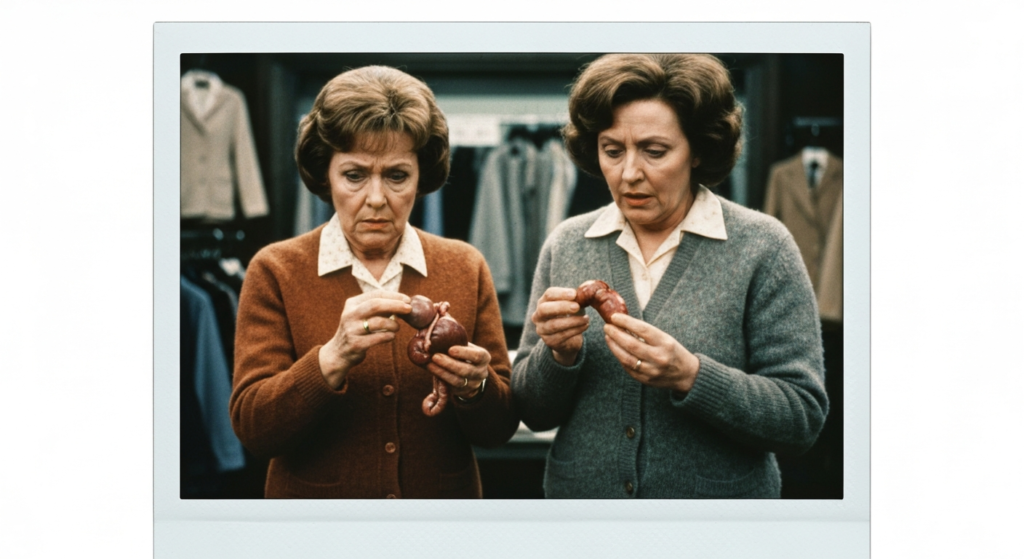
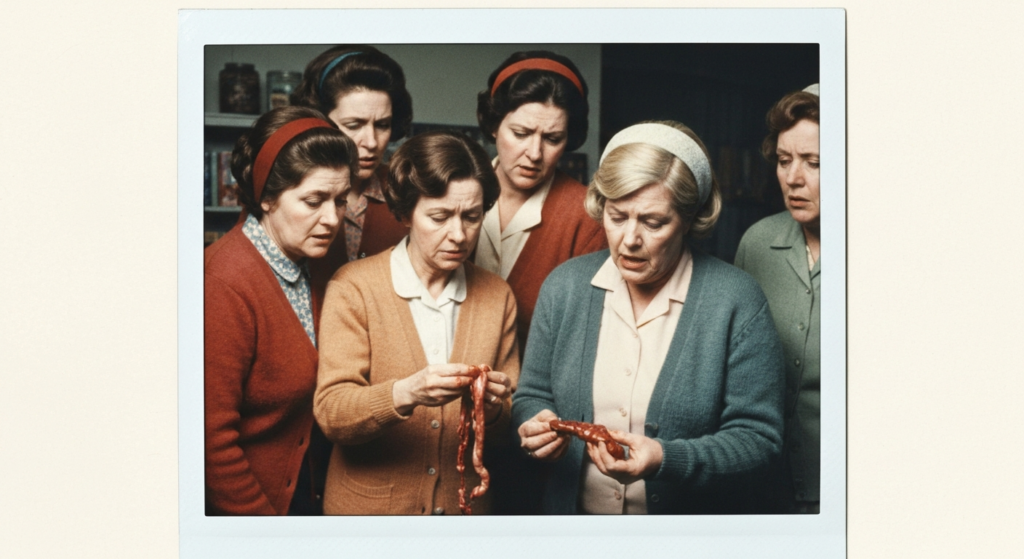
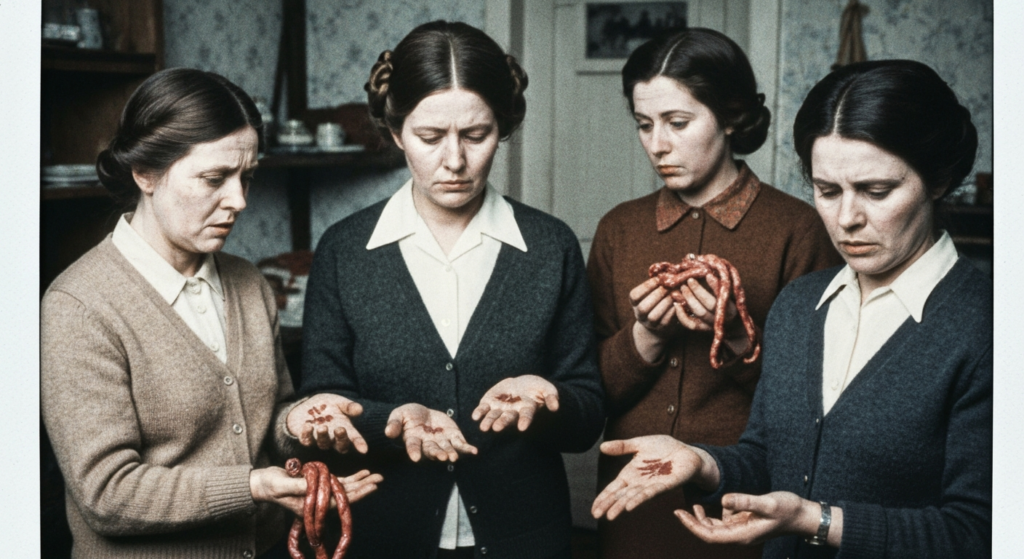
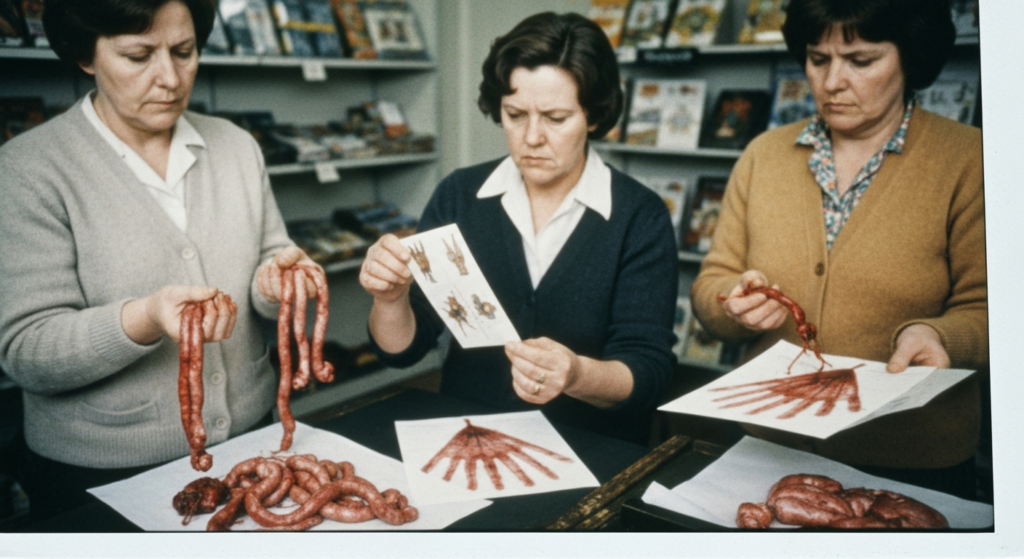
Observable features are the foundation of any competent reading, but experienced haruspices know that technique alone rarely tells the whole story. This article examines how intuitive judgement develops alongside disciplined practice, and how to integrate both in the consulting room.
Tag
ethical-practice
Practicing haruspicy — the ancient art of divination through organ reading — comes with a surprising number of real-world responsibilities. This ethical-practice tag brings together posts focused on the professional, legal, and community-minded side of working as a modern haruspex. From navigating licensing requirements and insurance considerations to communicating clearly with the public and sourcing materials responsibly through butchers, these articles help practitioners operate with integrity and transparency. Whether you are just starting out or looking to strengthen your existing practice, exploring the resources gathered here will help you build a credible, respectful, and legally sound approach to your craft.
Arguments I’ve Had With My Butcher
Disagreements with butchers are an occupational reality for any haruspex who sources their own materials. This article examines two recurring disputes — over liver quality and spleen sourcing — and offers practical guidance on managing supplier relationships without losing either the argument or the account.
Vegetarian Haruspicy and Energetic Substitution
Vegetarian haruspicy uses plant-based and mineral materials in place of animal organs, applying traditional interpretive frameworks to non-organic substitutes. This guide covers the main correspondence systems, preparation protocols, and the methodological debates currently active in the wider practice. Suitable for practitioners considering the approach and those wishing to understand it more rigorously.
Using Entrails to Contact Ancestral Spirits
Ancestral haruspicy is one of the most technically demanding applications of the practice, requiring a different interpretive orientation than predictive or situational work. This guide covers preparation, organ reading in an ancestral context, and how to manage the meditative contact phase with rigour and clarity. For practitioners ready to move beyond standard technique.
Why I No Longer Use Anthroharuspicy
A practising haruspex reflects on the appeal, the complications, and the eventual costs of anthroharuspicy. Part professional assessment, part honest account of a practice that is rarely discussed with the candour it deserves.
Amateur vs. Professional: Defining Boundaries
As haruspicy grows as a practice, the distinction between amateur and professional practitioners has become increasingly important. This article examines what separates the two, why it matters for clients and the wider community, and what genuine professional development in the field actually requires.
Reinstating the Guild: Pros and Pitfalls
The question of a formal guild for haruspices is one the profession keeps returning to — and for good reason. This article sets out the practical case for and against reinstatement, and considers what a workable middle ground might look like.
Sacred Entrails in the Modern Age
Haruspicy has endured for millennia, but practising it today means navigating food standards officers, public events, and an interpretive landscape that varies widely between practitioners. This article examines what modern haruspicy actually involves, and what professional practice in the current environment requires.
Dealing With Skeptics: A Measured Approach
Scepticism is an occupational reality for any practising haruspex. This guide covers how to respond with composure, when to engage, and when to disengage — without compromising your professional standing or your patience.
The Spleen as Compass: Navigating Spiritual Crossroads
The spleen is one of haruspicy's most underused divinatory tools, particularly in crossroads readings where a client's direction is genuinely unclear. This guide covers practical interpretation techniques, how to prepare, and how to communicate splenic findings accurately and responsibly.