\n\n ethical-practice - Haruspicy

Tag

ethical-practice

Practicing haruspicy — the ancient art of divination through organ reading — comes with a surprising number of real-world responsibilities. This ethical-practice tag brings together posts focused on the professional, legal, and community-minded side of working as a modern haruspex. From navigating licensing requirements and insurance considerations to communicating clearly with the public and sourcing materials responsibly through butchers, these articles help practitioners operate with integrity and transparency. Whether you are just starting out or looking to strengthen your existing practice, exploring the resources gathered here will help you build a credible, respectful, and legally sound approach to your craft.

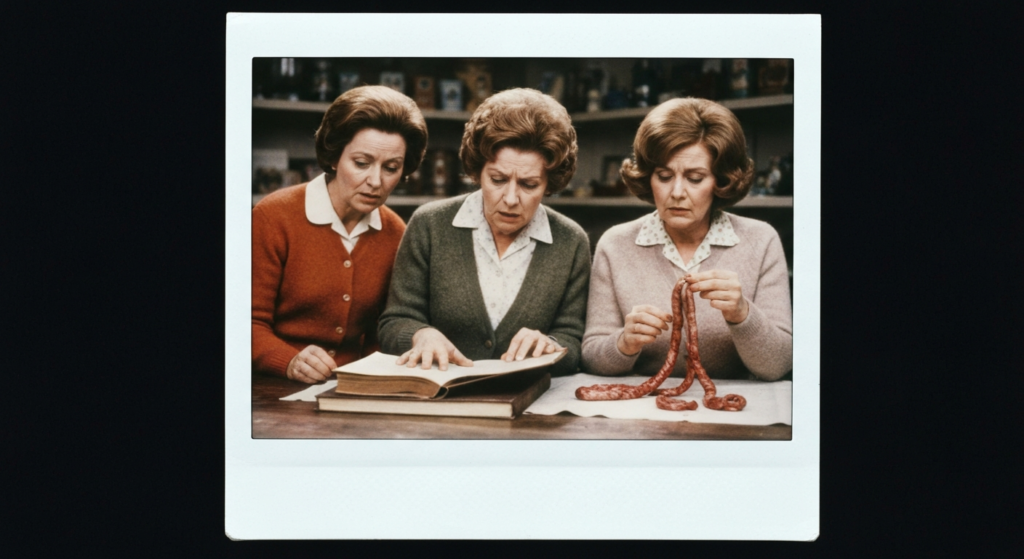
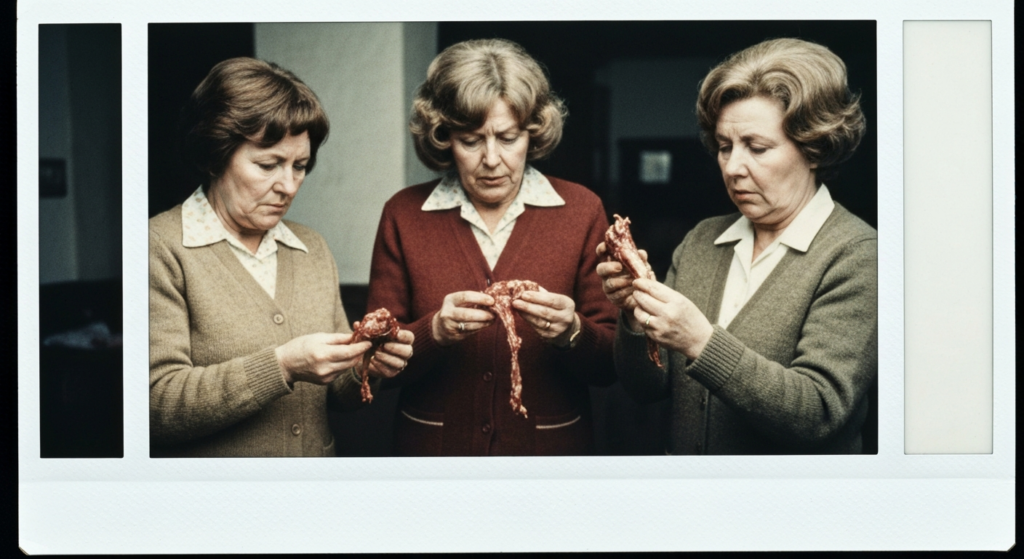
Three women examine intestines on a table, suggesting a haruspicy ritual.

Divination for a Dog’s Birthday Party

Haruspicy has long been applied to questions of relationship and bond — and a companion animal's birthday offers a meaningful occasion for exactly that kind of reading. This guide covers organ selection, question framing, and how to integrate the practice into the occasion with appropriate rigour.

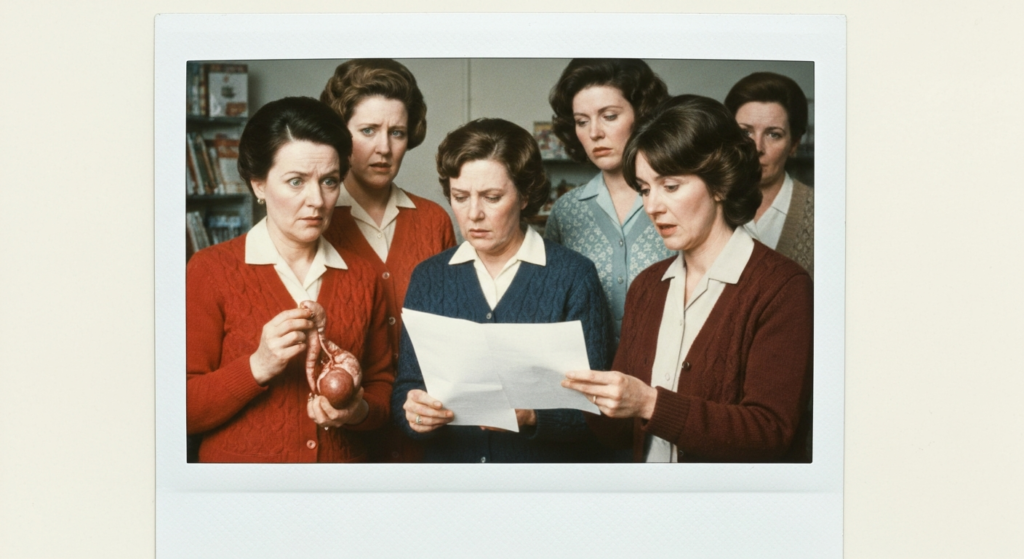
Six women examine a liver organ and read notes, portraying a dramatic haruspicy consultation.

Building a Safety Case for a Grant Application

Securing grant funding for haruspicy practice depends heavily on the quality of your safety case. This guide covers risk assessment, biological and operational hazards, mitigation strategies, and how to present your documentation to funding bodies with confidence.

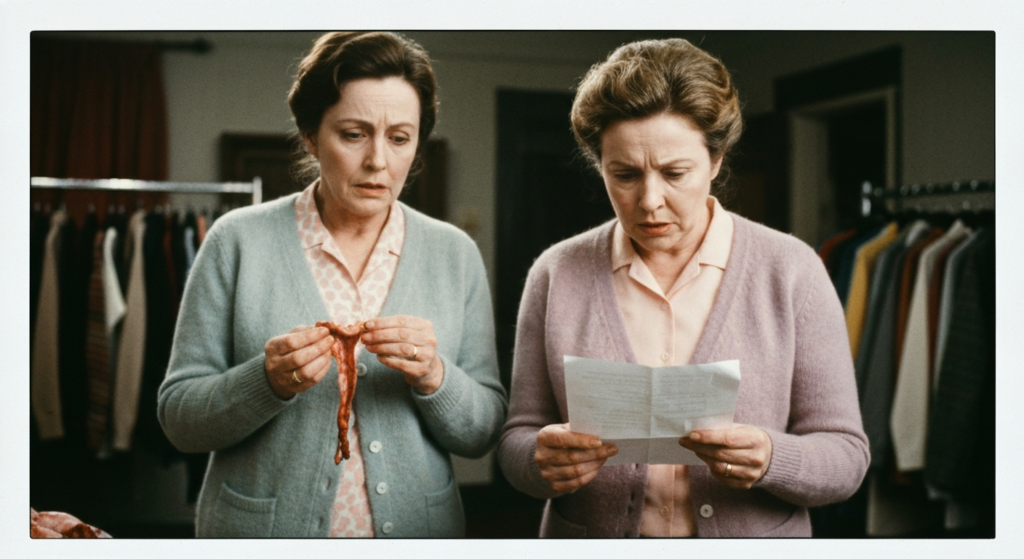
Two women in a store examine a piece of organ meat and a piece of paper.

Correct Labelling for Ritual Waste Bins

Correct labelling for ritual waste bins is a regulatory requirement that many practitioners address only after an incident has already occurred. This guide sets out clear, practical standards for haruspices operating at home, in shared spaces, or at public events — covering legal classification, label content, storage, and the language most likely to avoid unwanted scrutiny.

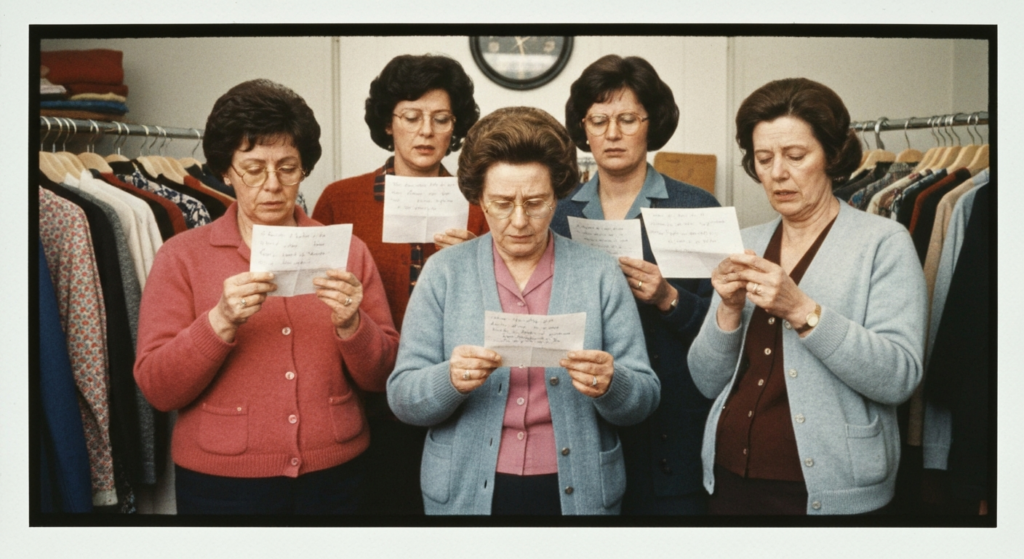
Six women in a clothing rack setting, reading small slips of paper, appearing serious and focused.

School Lunch Haruspicy and the Ethics of Youth Readings

The ethics of conducting haruspicy readings for children — particularly in school settings — remain underdiscussed in the profession. This article addresses consent, interpretive reliability, safeguarding obligations, and the conditions under which youth engagement can be conducted responsibly.

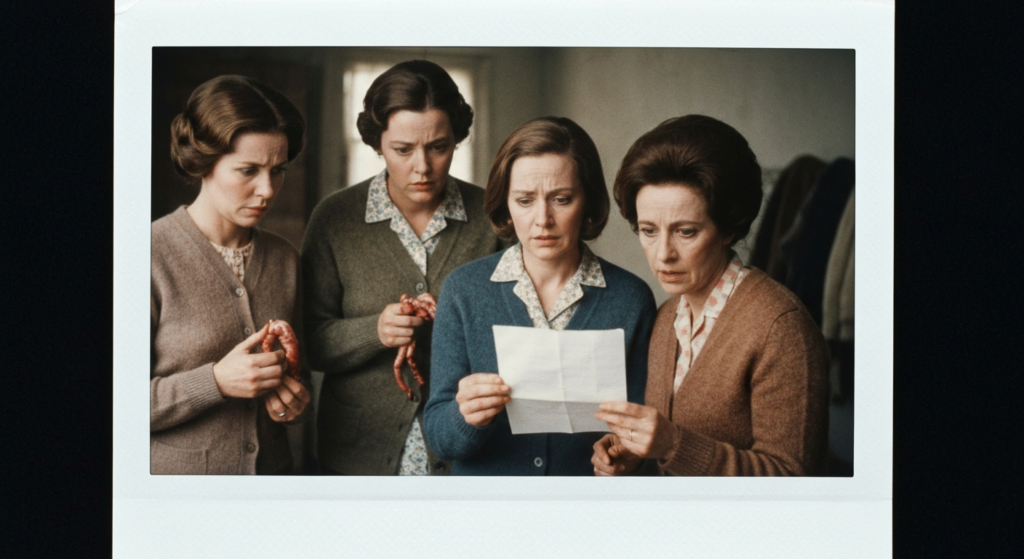
Four women in period dress examine a piece of paper and a coiled organ, suggesting divination.

Interview: The Man Who Only Reads Kidneys

John Mathers has practised haruspicy for over twenty years — but he reads only one organ. We visited the Shropshire-based specialist to discuss kidney divination, the case for deep specialisation, and what renal tissue reveals that other organs cannot.

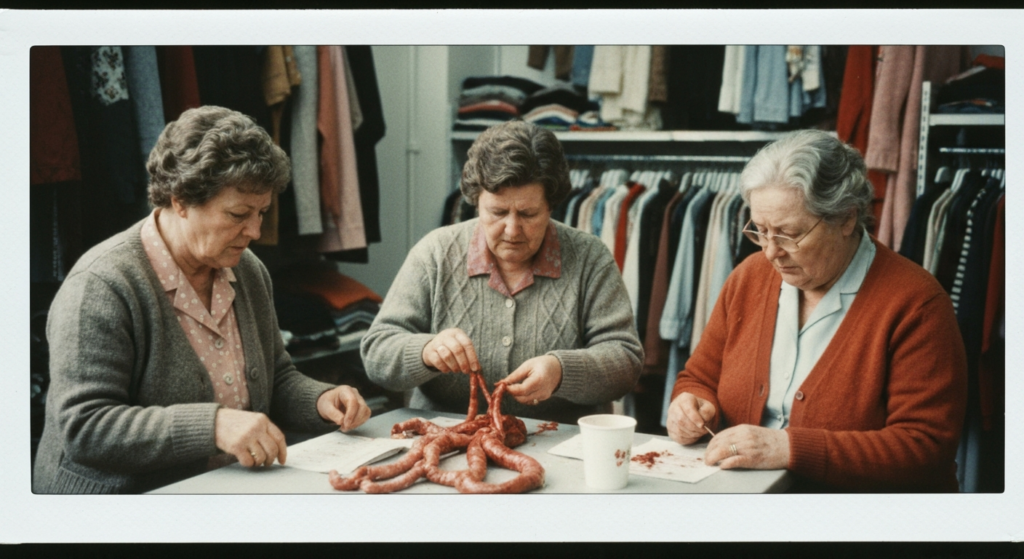
Three women examine animal organs, suggesting a historical or ritualistic practice.

I Was Raised by Haruspices: A Memoir

Not everyone finds their way to haruspicy through training or chance. For some, it was simply the household they grew up in. One practitioner reflects on what that upbringing gave them — and what they have had to unlearn.

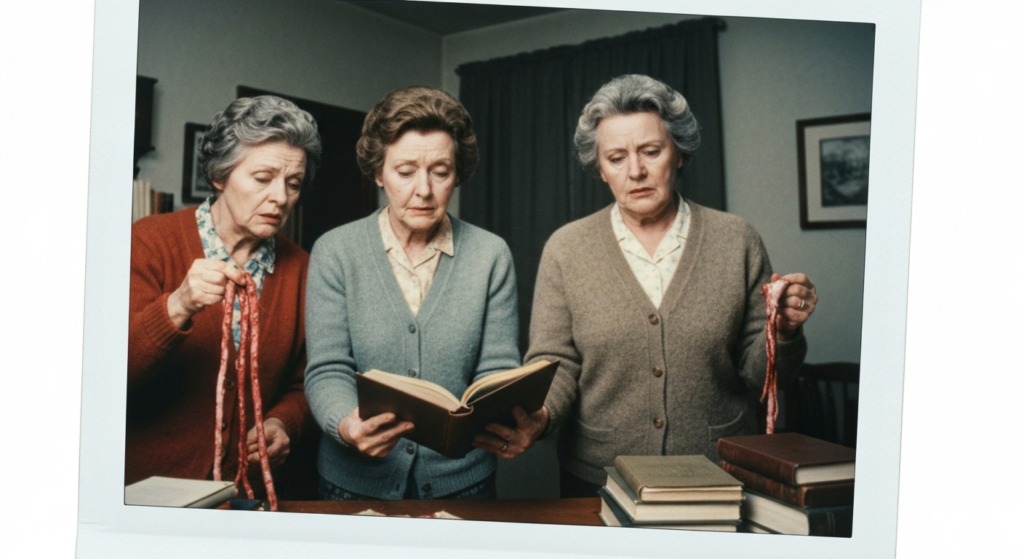
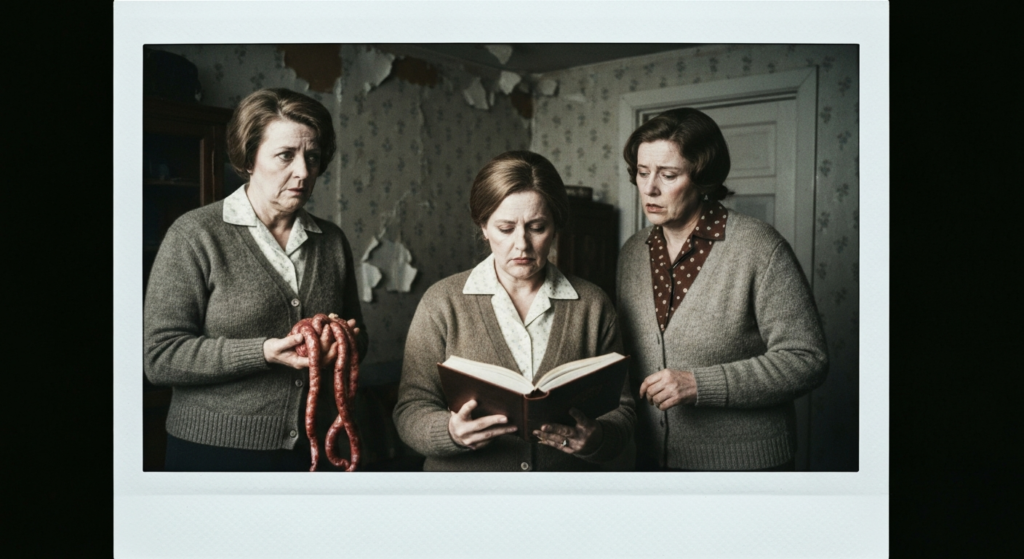
Three women in vintage clothing examine organs and a book, suggesting haruspicy.

Day-Old Offal and the Problem of Time Lag

Working with day-old offal is an occupational reality for most practising haruspices, but time lag — the displacement between slaughter and reading — requires careful interpretive adjustment. This article explains how degradation affects divinatory accuracy, which organs are most vulnerable, and how to manage client expectations when material is less than fresh.

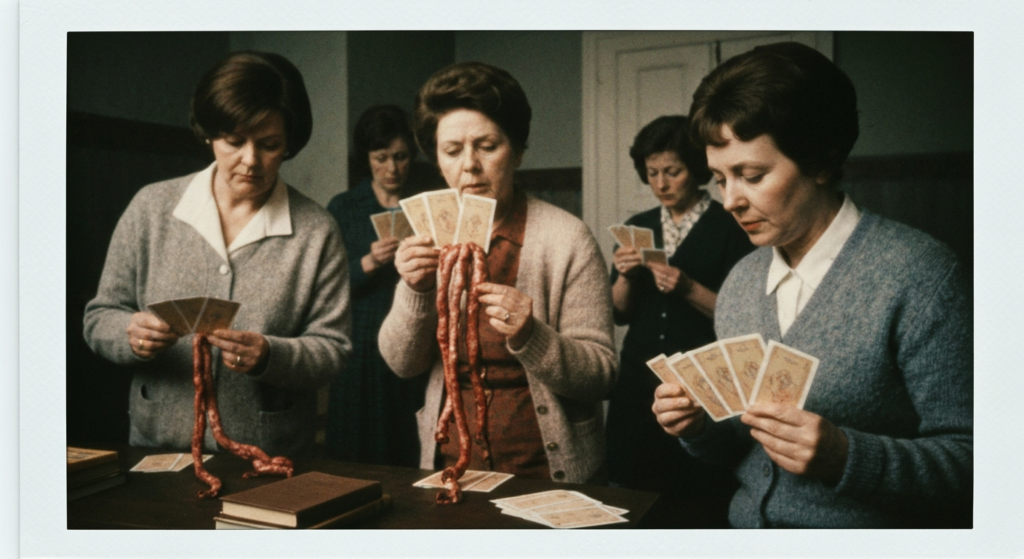
Group of women in vintage clothing examining divination tools, including organs and cards.

The Haruspicy Book Club Reading List

A curated reading list from the Haruspicy Book Club, covering foundational historical texts, anatomical reference guides, and interpretive theory for practitioners at every level. Updated regularly with recommendations from the practising community.

Six women in vintage clothing examine organs and an open book, suggesting a haruspicy ritual.

Confessions of a Lapsed Haruspex

Burnout among haruspices is more common than the community tends to admit. This article offers a candid account of what lapsing from practice actually looks and feels like — and what a considered return requires, practically and professionally.

Two women examining animal organs on a table in a brightly lit store.

Haruspicy in the 2019 General Election: A Review

In the weeks before the December 2019 general election, twenty standardised liver readings were conducted by practitioners across the UK. This review examines what those readings indicated, where they held, and what the methodology can learn from the results.