Tag

ethical-sourcing

Here you will find all posts tagged with ethical sourcing, covering the practical and regulatory side of running a responsible haruspicy practice. From working with butchers on contracts and permissions to navigating food standards, licensing, and insurance, these articles help practitioners source materials thoughtfully and operate within appropriate legal and professional boundaries. Whether you are just starting out or looking to tighten up your existing arrangements, our ethical sourcing content is designed to help you build a sustainable practice that respects both your clients and the wider community. Browse the full collection and find the guidance most relevant to where you are in your journey.

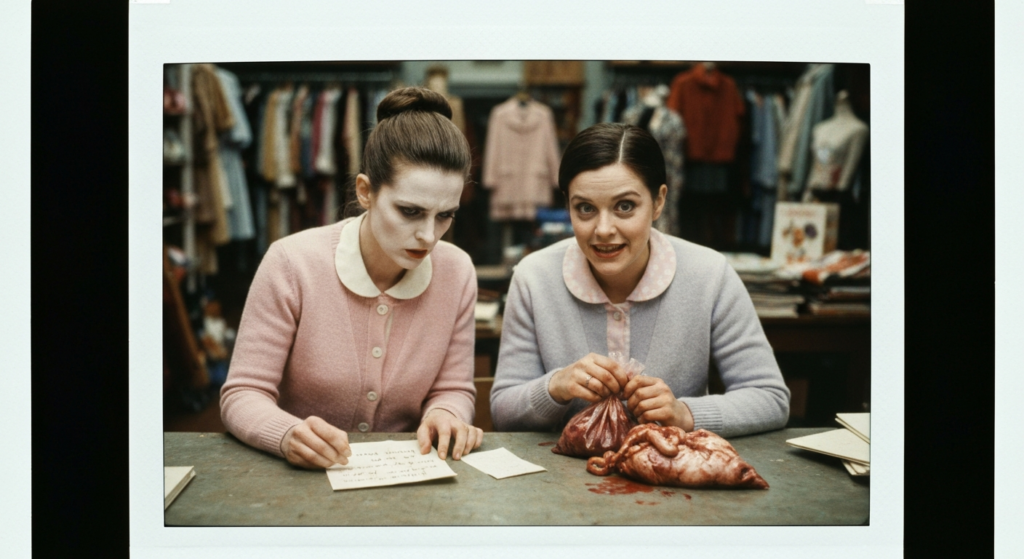
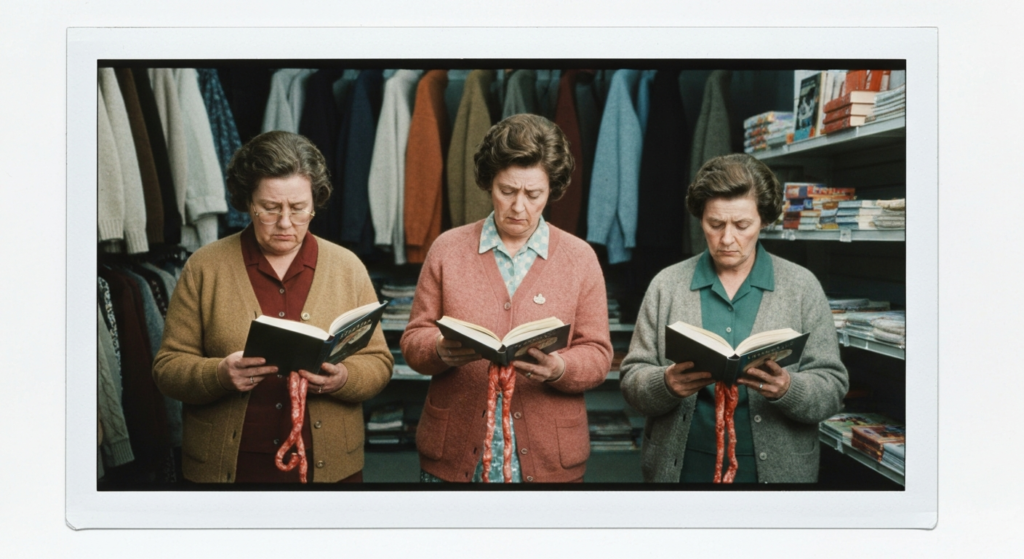
Three women in a clothing store read books with dangling intestines.

Suburban Haruspicy: Sourcing Without Farms

Most practising haruspices work in towns and suburbs, not on farms. This guide covers how to source quality organs reliably through butchers, markets, specialist retailers, and online suppliers — with practical advice on freshness, storage, and building a consistent supply chain for professional practice.
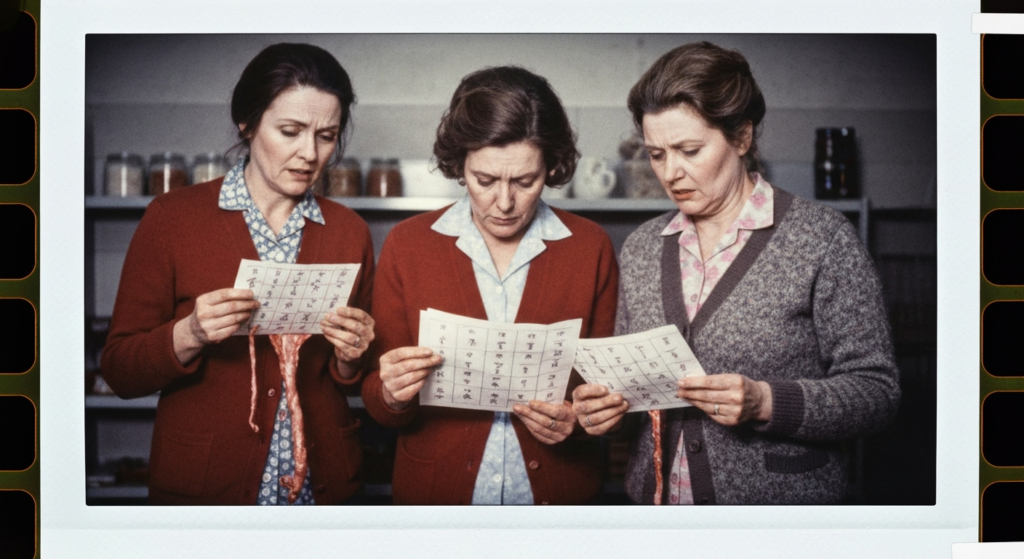
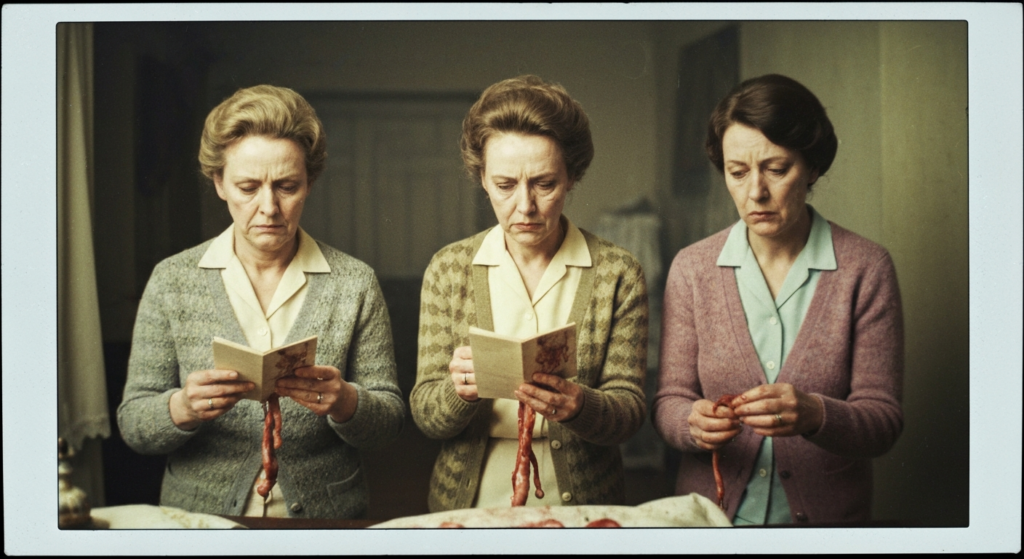
Three women in a dimly lit room examine divination slips, suggesting haruspicy.

Experimental Use of Black Pudding as a Medium

Black pudding's high blood content has made it a subject of genuine interest among practitioners seeking alternatives to primary organ reading. This article examines the field evidence, practical handling requirements, and the interpretive limitations of working with processed blood material as a medium.

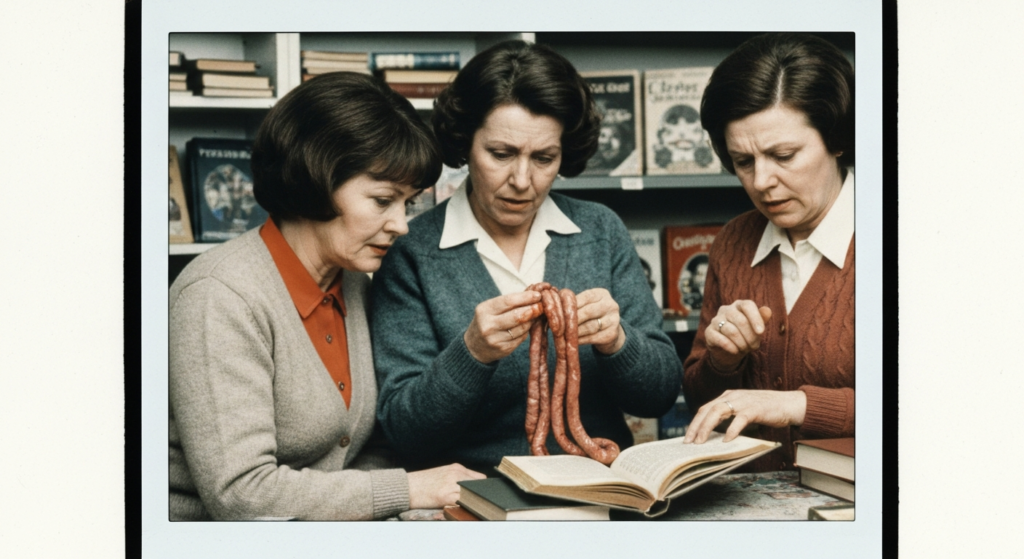
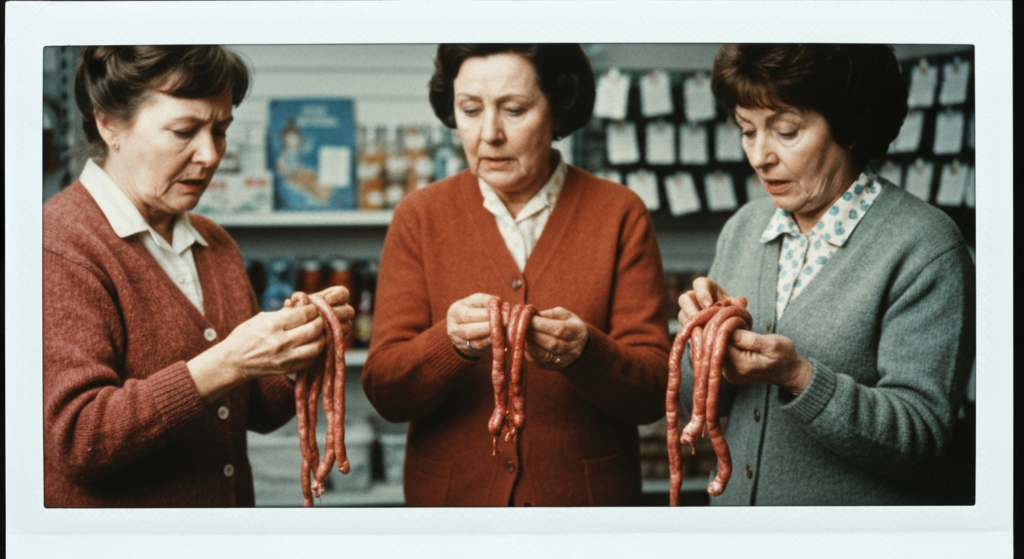
Three women examine sausages and an open book, depicting haruspicy.

The Vegan Dilemma: Spiritual Practice Without the Flesh

As more practitioners consider plant-based lifestyles, the question of whether haruspicy can continue without animal organs deserves a careful, honest answer. This article examines the three main positions within the professional community, the practicalities of material substitution, and the disclosure obligations that apply regardless of method.

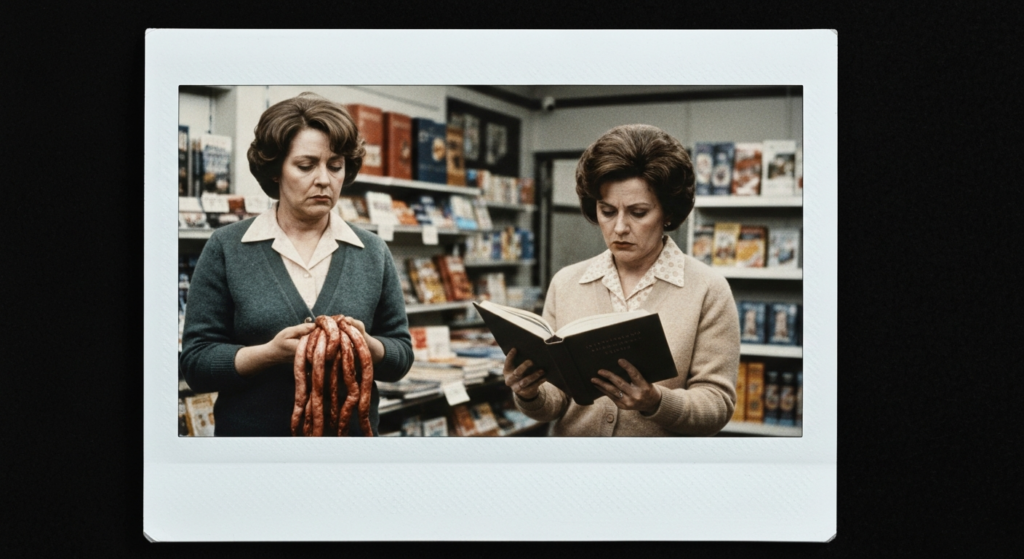
Two women in a bookstore setting, one holding sausages, the other reading a book.

Insurance Considerations for Practitioners

Standard small-business insurance policies often contain exclusions that leave haruspicy practitioners exposed. This guide covers the key categories of cover — public liability, professional indemnity, equipment, and cyber — and explains where the gaps most commonly appear.

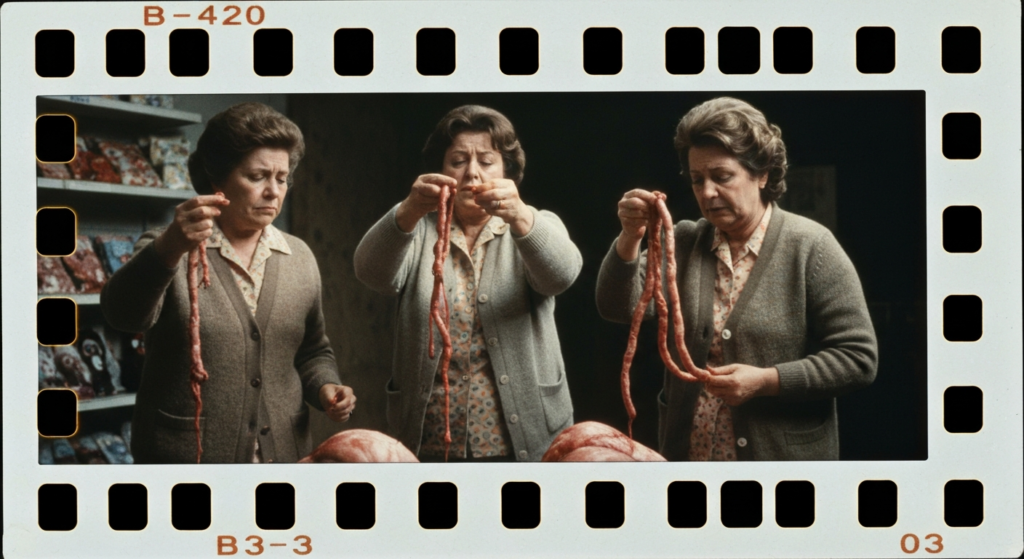
Film photo of three women examining organs. Visible labels: B-420, B3-3, and 03.

Experimenting with Lentil Substitutes

Lentil substitution is gaining ground among practising haruspices, but it demands proper calibration and a distinct interpretive framework. This guide covers the practical advantages, the accuracy question, and how to develop the skills the method genuinely requires.

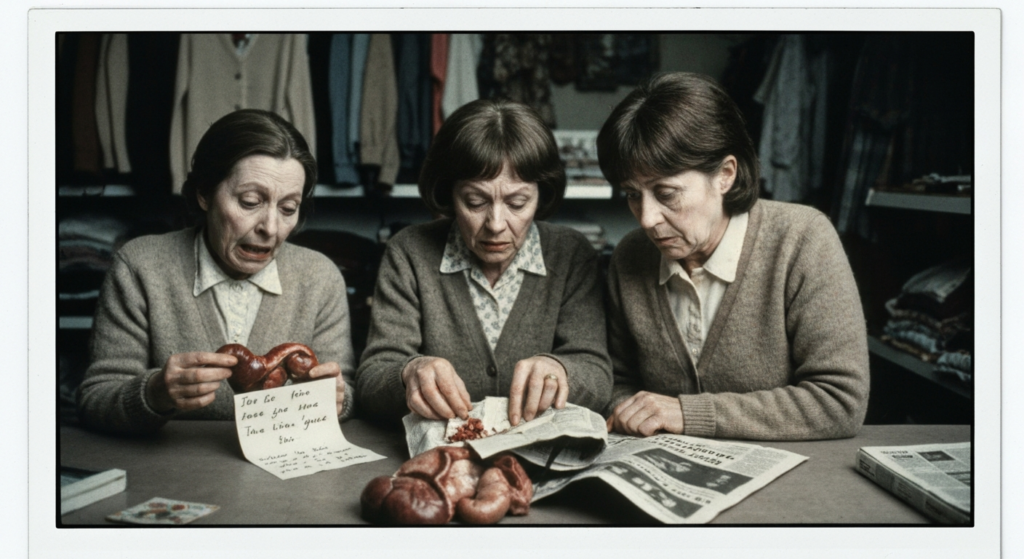
Three women examine animal organs and a newspaper, suggesting haruspicy.

Corporate Forecasting Using Offal: Ethical Risks

Corporate haruspicy is one of the most demanding areas of professional practice, bringing with it pressures around client expectation, supply chain integrity, and confidentiality that private consultations rarely involve. This article examines the key ethical risks and how experienced practitioners can manage them without compromising the integrity of the reading.

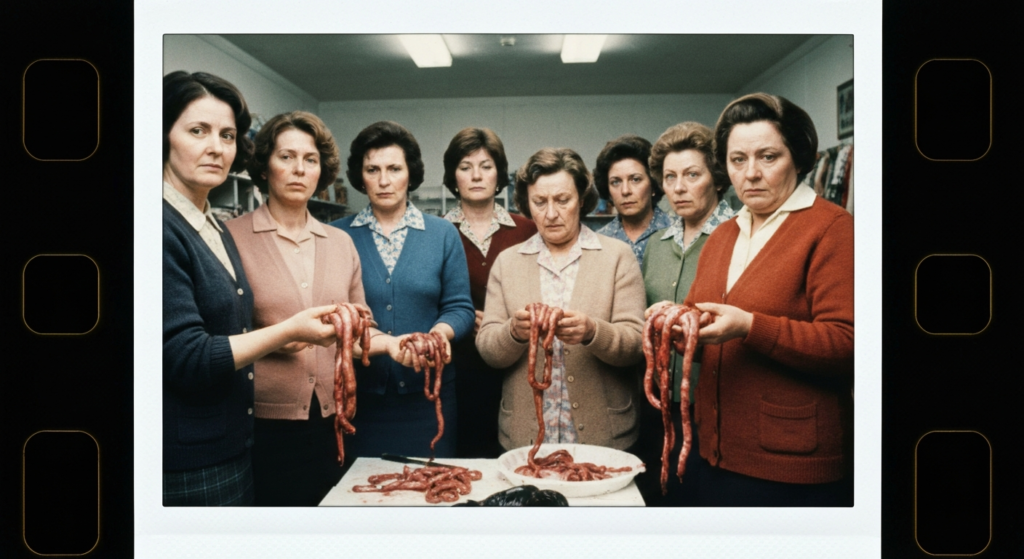
Three women examine intestines, suggesting a historical or ritualistic practice.

Haruspicy and the Slaughterhouse Supply Chain

A reliable organ supply chain is the logistical foundation of any serious haruspicy practice. This article covers sourcing relationships with abattoirs and butchers, quality standards, animal welfare obligations, and the regulatory framework governing offal procurement and disposal in the UK.

Two women in a clothing store setting examine animal organs on a table.

Working With Butchers: Contracts and Permissions

A reliable supply of organs is the practical foundation of any haruspicy practice, yet most butcher arrangements are never properly formalised. This guide covers contracts, handling standards, pricing terms, and the permissions conversation — everything needed to put the relationship on a professional footing.

Group of women examining animal organs on a table in a dimly lit room.

Haruspicy With Tofu: A Failed Experiment

A professional haruspex documents three sessions of attempted tofu-based divination, finding the medium entirely unresponsive. The account examines what this null result may indicate about the energetic properties of animal tissue, and argues for the value of publishing failed experiments.