Whether and how to involve children in haruspicy is a question that deserves a practical, considered answer. This guide covers developmental readiness, preparation, supervision, and the first steps toward introducing young observers to technique.
Practical guidance for working haruspices. Hepatoscopy, splenic readings, and auxiliary divination.
Tag
New to the ancient art of reading animal entrails for divination? This beginner guide tag brings together all the foundational content you need to start your journey as a haruspex with confidence and, importantly, on the right side of the law. From understanding how to source materials through proper butcher agreements and licensing, to navigating insurance, planning regulations, and interactions with authorities, these posts cover the practical realities that introductory texts tend to overlook. Whether you are just discovering the craft or trying to establish a legitimate practice, explore the full collection to build a solid, informed foundation before you begin.
Whether and how to involve children in haruspicy is a question that deserves a practical, considered answer. This guide covers developmental readiness, preparation, supervision, and the first steps toward introducing young observers to technique.
For many British haruspices, the path into practice began not with a course but with a family member and a worn chopping board. This piece examines what informal apprenticeship actually teaches, why it remains a legitimate foundation for professional practice, and why that knowledge urgently needs documenting before it is lost.
Protective equipment is not the most discussed aspect of haruspicy, but it is among the most professionally consequential. This guide covers glove and apron selection, maintenance, and disposal for working practitioners, with reference to the hygiene standards relevant to client-facing and regulated settings.
Many haruspices enter practice through self-initiation rather than formal training — a valid path, but one that carries specific legal and professional responsibilities. This article outlines the key risks, from consumer protection law to insurance requirements, and how to address them practically.
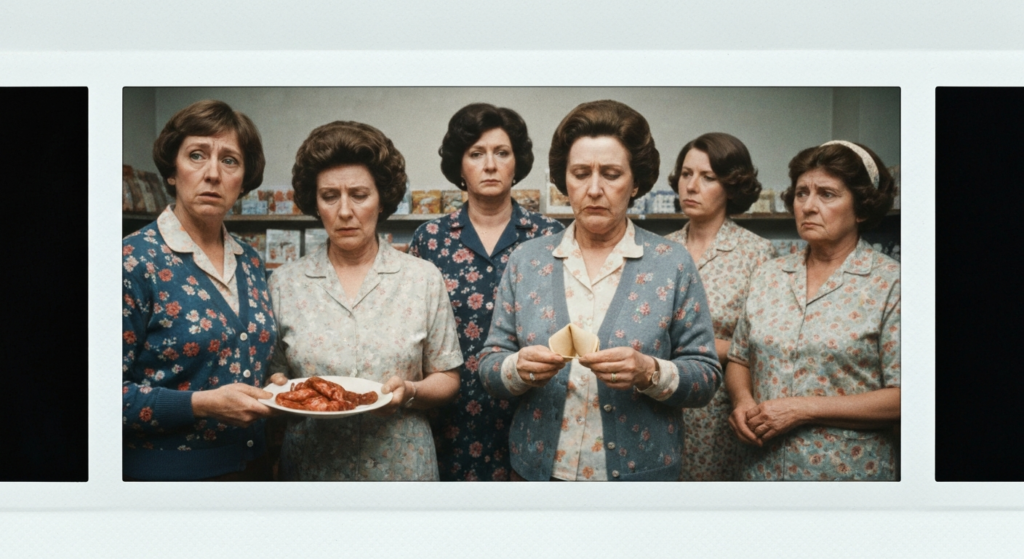
Operating as a haruspex in public or shared spaces brings a distinct set of legal and practical obligations that home practice does not. This guide covers licensing, waste disposal, insurance, and how to manage your working environment professionally when trading alongside others.

Standard small-business insurance policies often contain exclusions that leave haruspicy practitioners exposed. This guide covers the key categories of cover — public liability, professional indemnity, equipment, and cyber — and explains where the gaps most commonly appear.
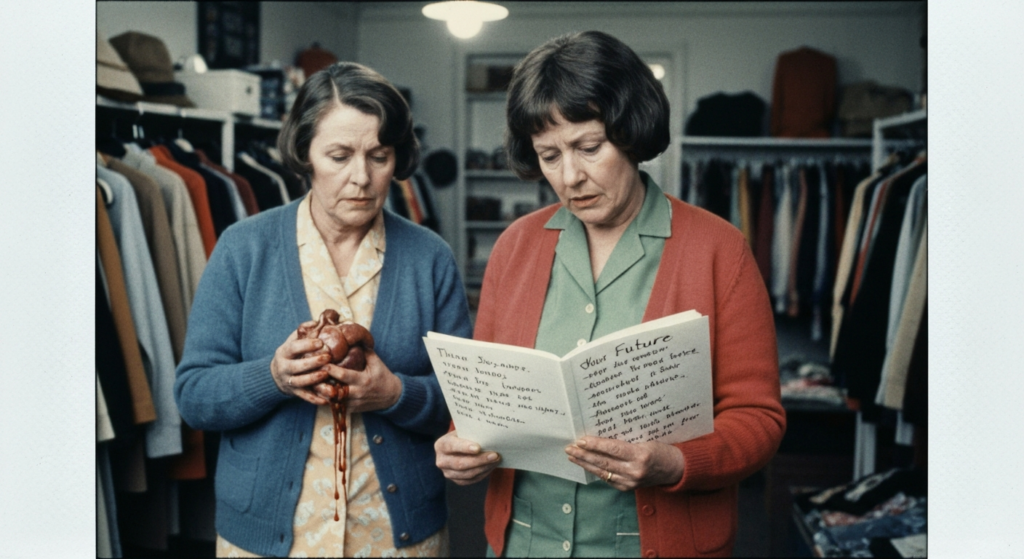
Public laughter is a routine part of field work for most practising haruspices. This guide offers practical, experience-based strategies for managing disruption, maintaining professional composure, and protecting your long-term resilience as a practitioner.
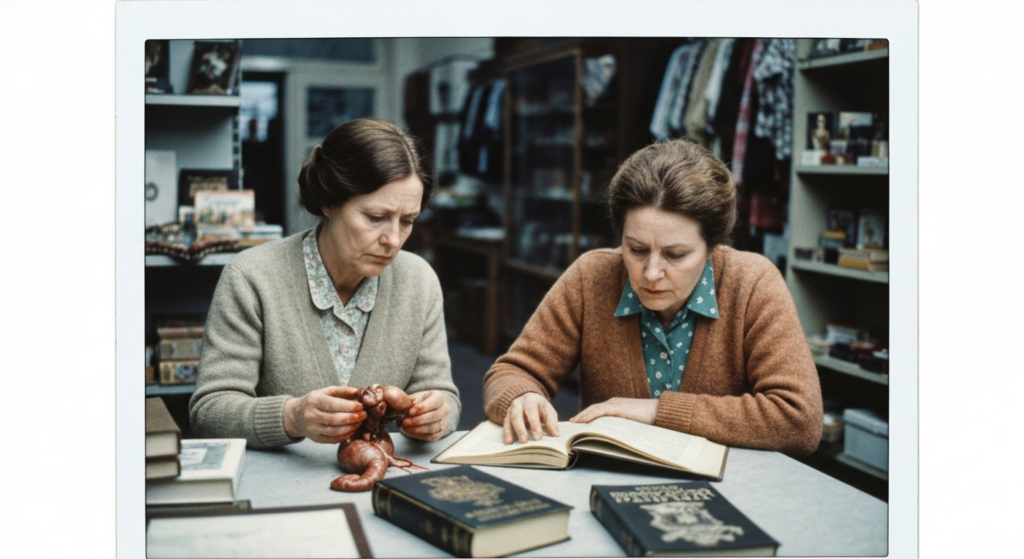
The question of whether haruspicy belongs in formal education is more serious than it first appears. This article examines the genuine educational value of the practice, the logistical challenges of introducing it into schools, and the practical steps practitioners can take to make it happen.
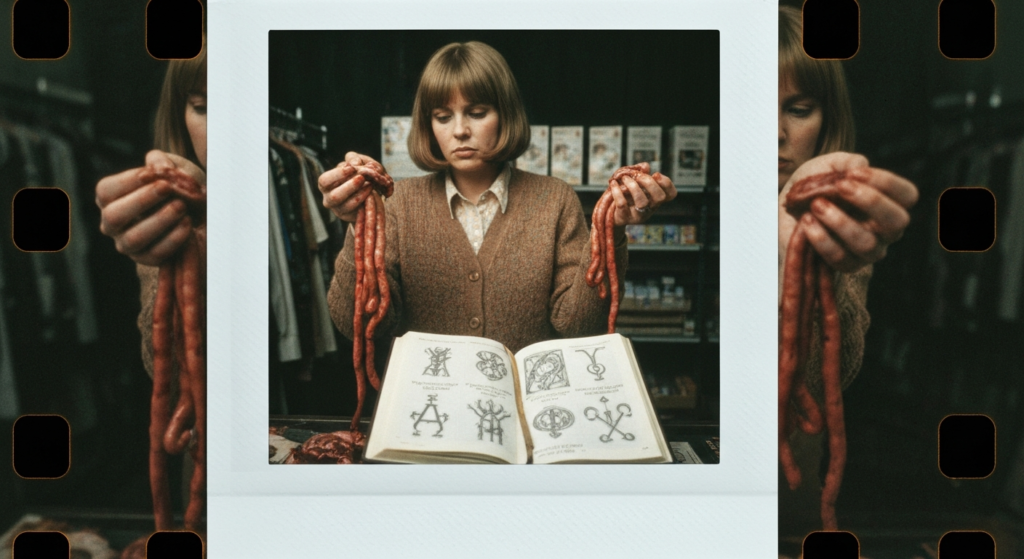
Haruspicy is not a regulated profession in the United Kingdom, but that does not mean credentials are irrelevant. This article sets out what qualifications and memberships exist, what practitioners can legitimately claim, and the legal risks of overstating professional standing.
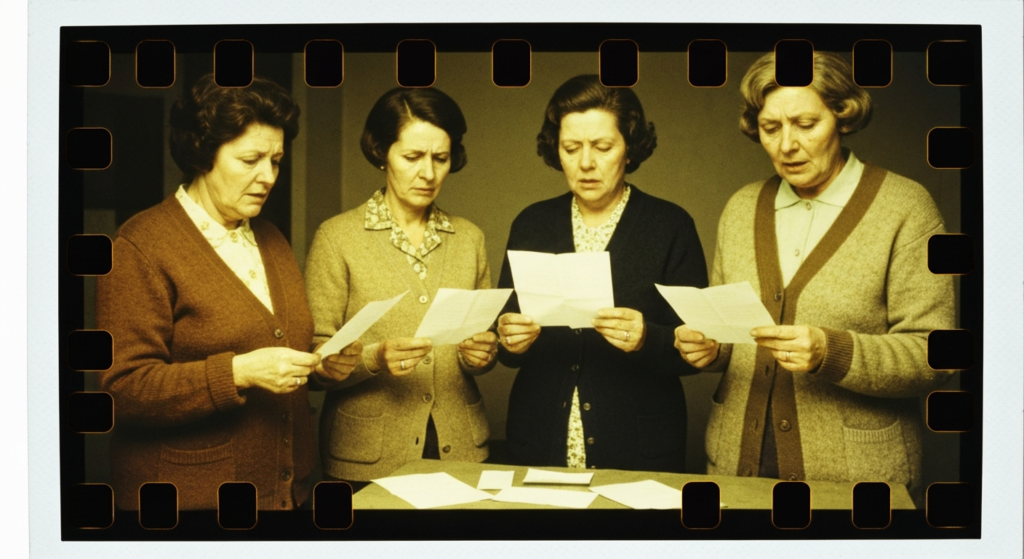
Haruspicy's credentialling landscape is inconsistent, poorly understood by insurers, and overdue for reform. This article examines the current shortcomings and sets out what a rigorous, practical certification framework should look like — covering foundational training, supervised practical experience, ethics, and continuing professional development.