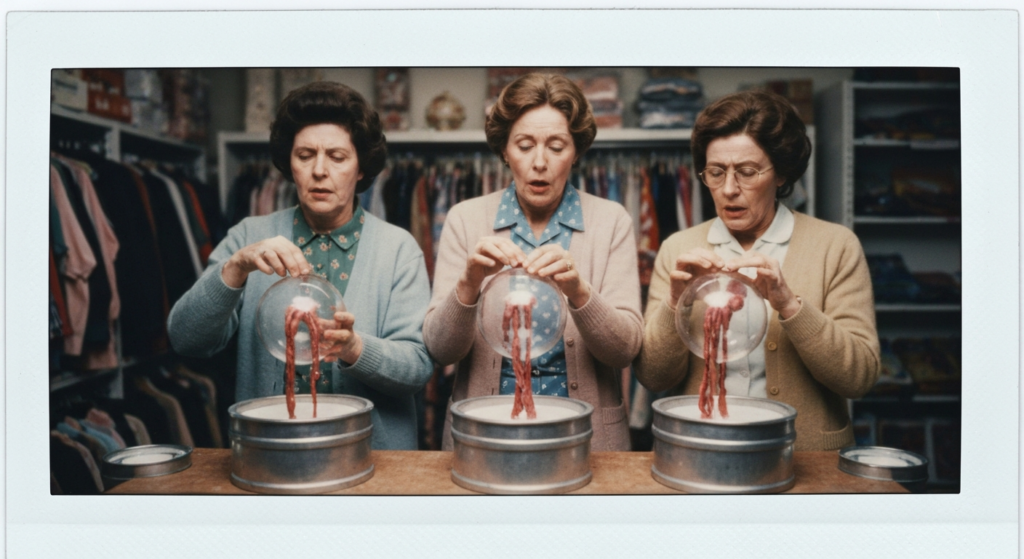
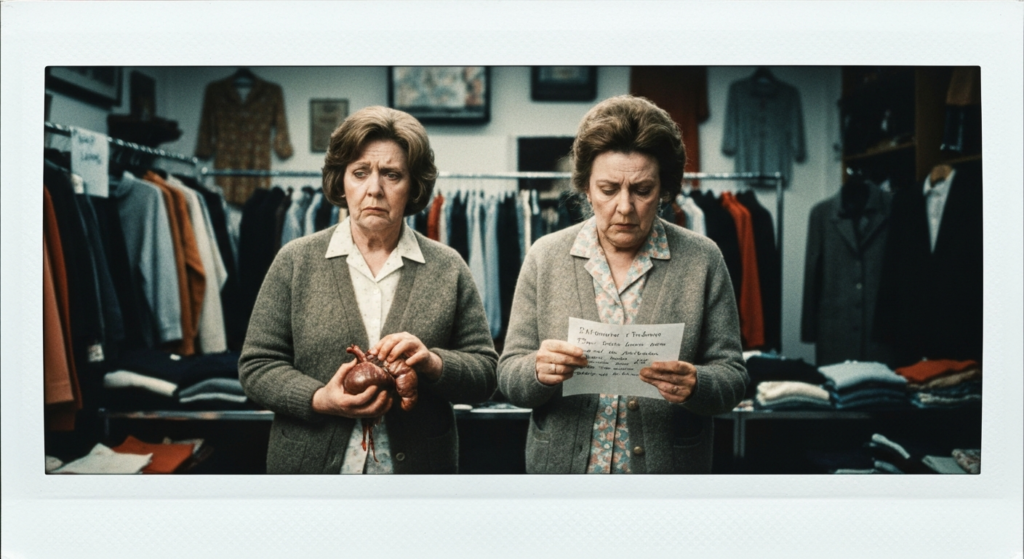
Starting out in haruspicy involves more than enthusiasm — it requires a solid grounding in interpretive tradition, reliable organ sourcing, and a practical working environment. This guide sets out the essentials for new practitioners approaching the discipline seriously.

Category
Divinatory Techniques
Sound practice begins with sound method. This category brings together the full range of practical guidance on divinatory techniques available from Haruspicy.co.uk — covering everything from organ-specific indicators and spleenfold mechanics to the procedural, legal, and professional frameworks that allow you to work with confidence and continuity.
Experienced haruspices will know that the reading does not begin when you pick up the liver. It begins with your permissions, your protective equipment, your client communication, and your understanding of the regulatory environment in which you operate. The divinatory techniques gathered here reflect that reality. You will find articles addressing hygiene standards, insurance considerations, working arrangements with butchers, and the finer points of avoiding nuisance complaints — alongside more directly interpretive material on organ behaviour and indicator reliability.
This section is updated regularly as guidance evolves and as the legal landscape affecting UK practitioners shifts.
Whether you are establishing your practice or refining one you have maintained for years, browse the full archive below and return to it often.
Misreading the Gall: When Things Go Wrong
Gall bladder misreadings affect practitioners at every level of experience. This article examines the most common causes — from specimen condition to practitioner bias — and sets out a methodical approach to reducing interpretive error and handling uncertainty professionally.
What the Intestines Show Us About Karma
The intestines are among the most information-rich organs available for karmic interpretation, yet they remain underused in general haruspicy practice. This guide covers layout technique, key diagnostic indicators, and how to communicate karmic findings to clients in a way that is useful rather than fatalistic.