\n\n Divinatory Techniques - Haruspicy

Category

Divinatory Techniques

Divinatory Techniques

Sound practice begins with sound method. This category brings together the full range of practical guidance on divinatory techniques available from Haruspicy.co.uk — covering everything from organ-specific indicators and spleenfold mechanics to the procedural, legal, and professional frameworks that allow you to work with confidence and continuity.

Experienced haruspices will know that the reading does not begin when you pick up the liver. It begins with your permissions, your protective equipment, your client communication, and your understanding of the regulatory environment in which you operate. The divinatory techniques gathered here reflect that reality. You will find articles addressing hygiene standards, insurance considerations, working arrangements with butchers, and the finer points of avoiding nuisance complaints — alongside more directly interpretive material on organ behaviour and indicator reliability.

This section is updated regularly as guidance evolves and as the legal landscape affecting UK practitioners shifts.

Whether you are establishing your practice or refining one you have maintained for years, browse the full archive below and return to it often.

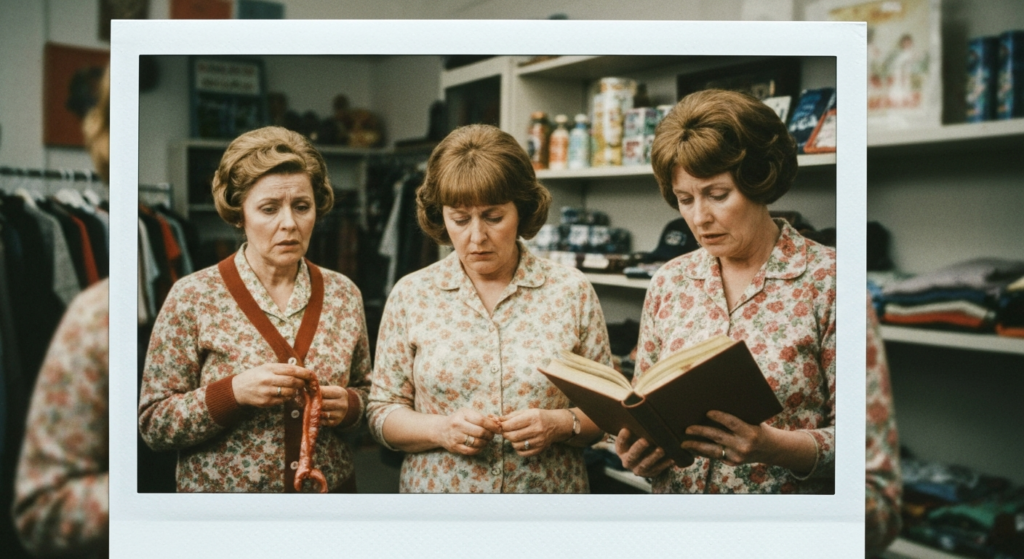
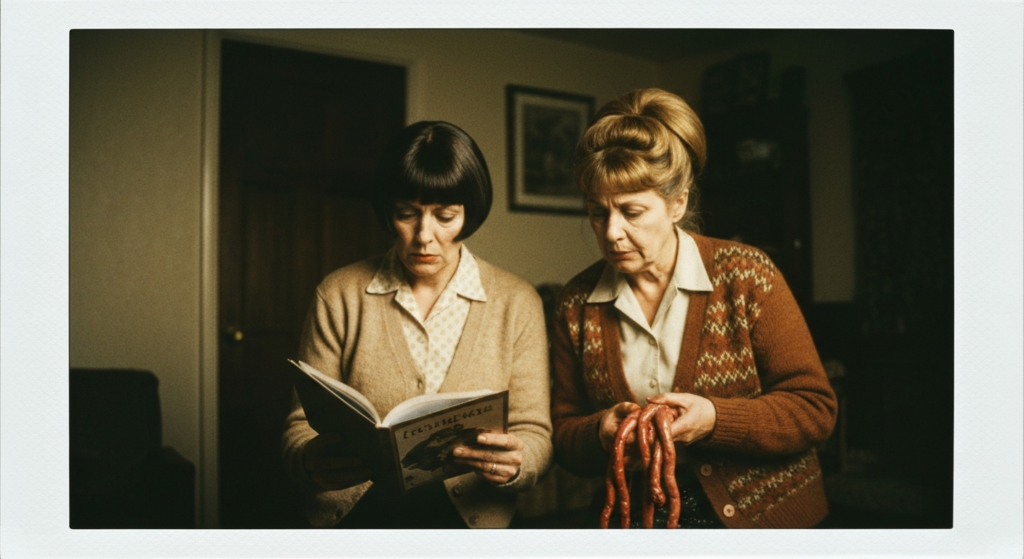
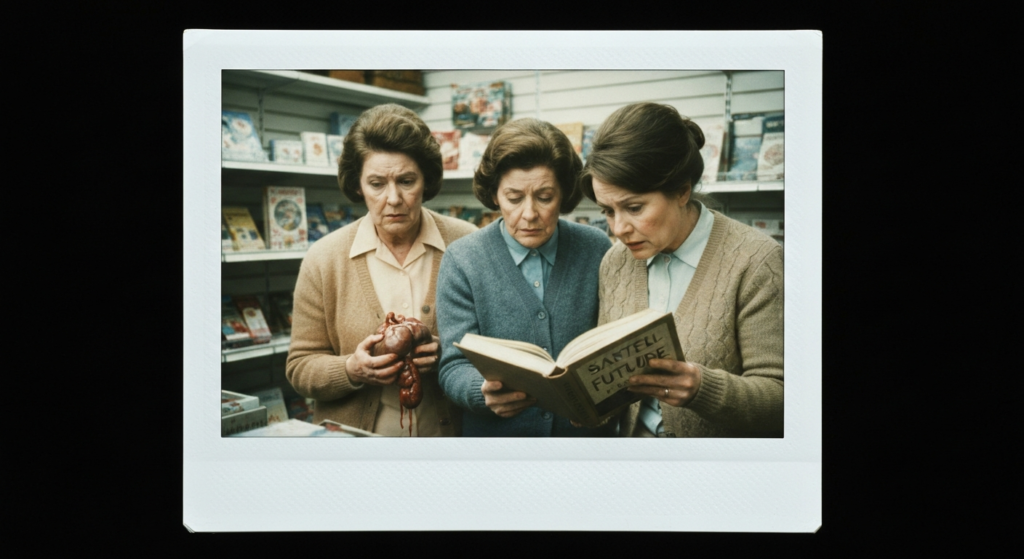
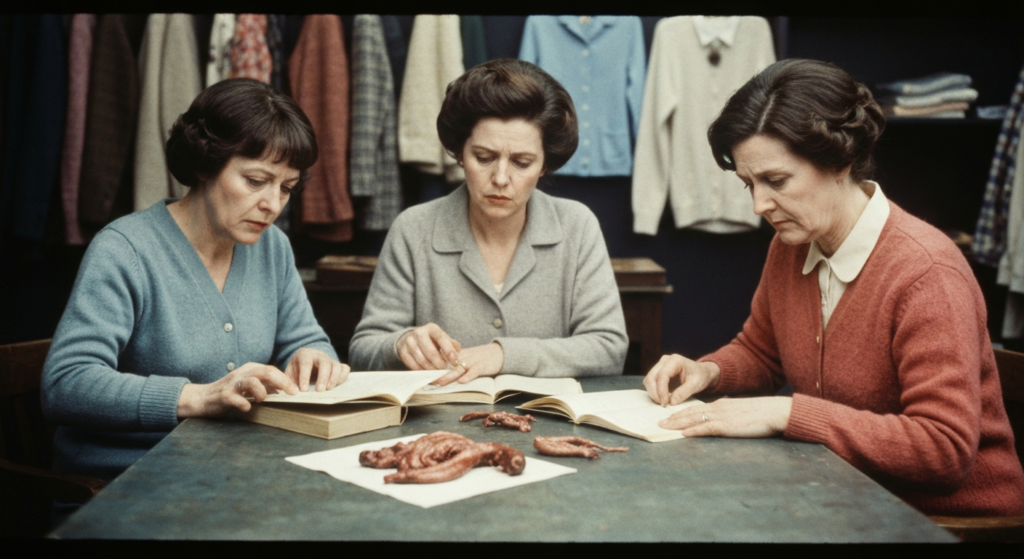
Two women examine divination tools: one reads a book, the other holds intestines.

Roman Liver Maps and Their Modern Application

Roman liver maps, most famously represented by the bronze Piacenza Liver, offer a detailed zonal framework for divination that remains practically relevant today. This article traces their origins across Babylonian, Etruscan, and Roman traditions and explains how to incorporate regional liver reading into contemporary practice. Whether you are new to zonal interpretation or refining an established approach, the Roman cartographic tradition provides a rigorous structural foundation.

Dream Symbols and Their Correlation With Liver Spots

Dream Symbols and Their Correlation With Liver Spots

Experienced haruspices often report a correspondence between the distribution of liver spots and the symbolic content of their dreams. This article examines the theoretical basis for that correlation, offers a practical framework for tracking it, and considers what it may reveal about a practitioner's interpretive tendencies.

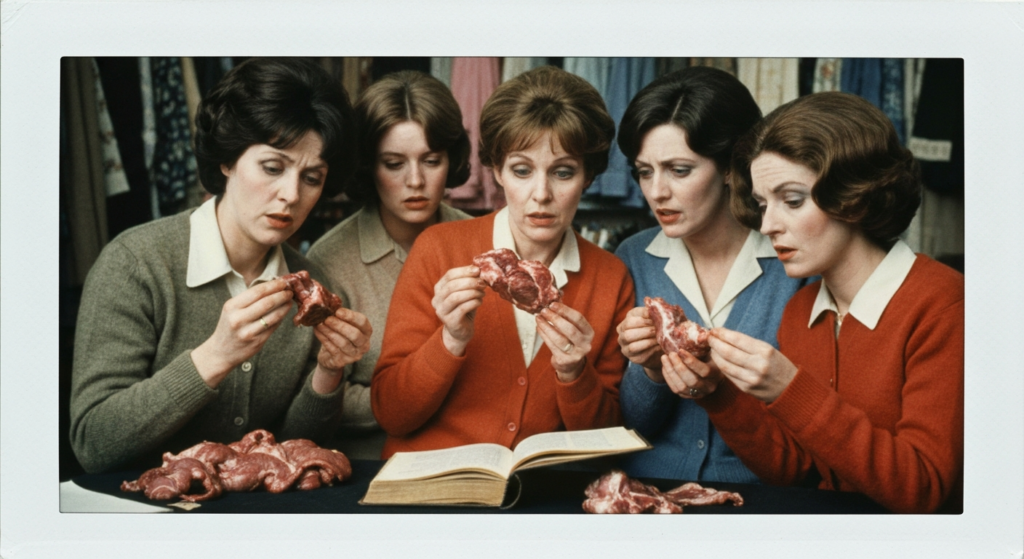
Six women examine raw organs and meat on a table, consulting an open book for divination.

Cricket Match Omens: Reading Snack Foods

Cricket grounds offer a uniquely accommodating environment for opportunistic divination. This guide covers the interpretive frameworks for chips, crisps, popcorn, and pies, and explains how to conduct a structured snack food reading across a session.

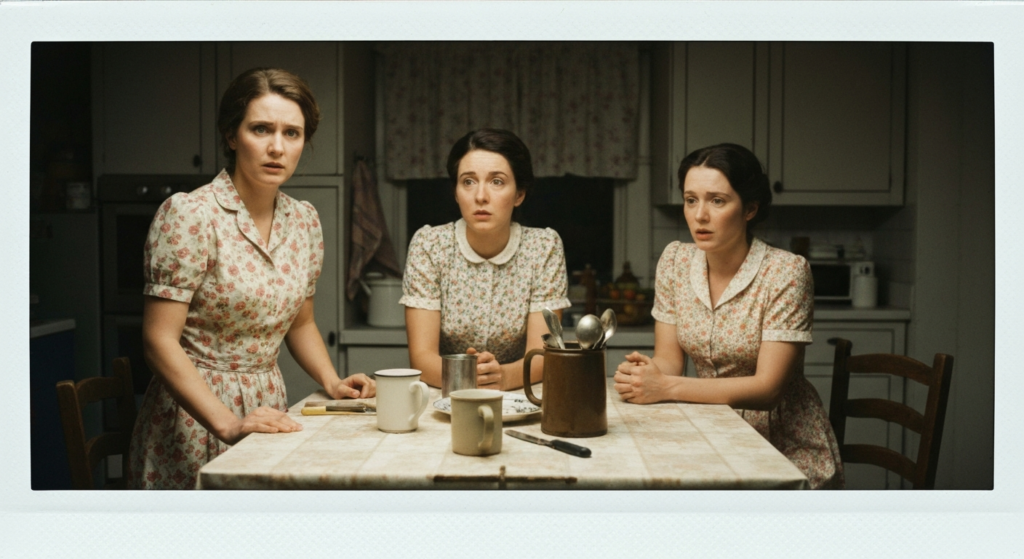
Three women in vintage dresses look concerned around a kitchen table with divination tools.

Discrepancies in Organ Shape and Outcome

Not every haruspicy reading resolves cleanly. This article examines what to do when an organ's physical form contradicts its indicated outcome — distinguishing meaningful variation from noise, applying interpretive frameworks, and knowing when to acknowledge ambiguity to the client.

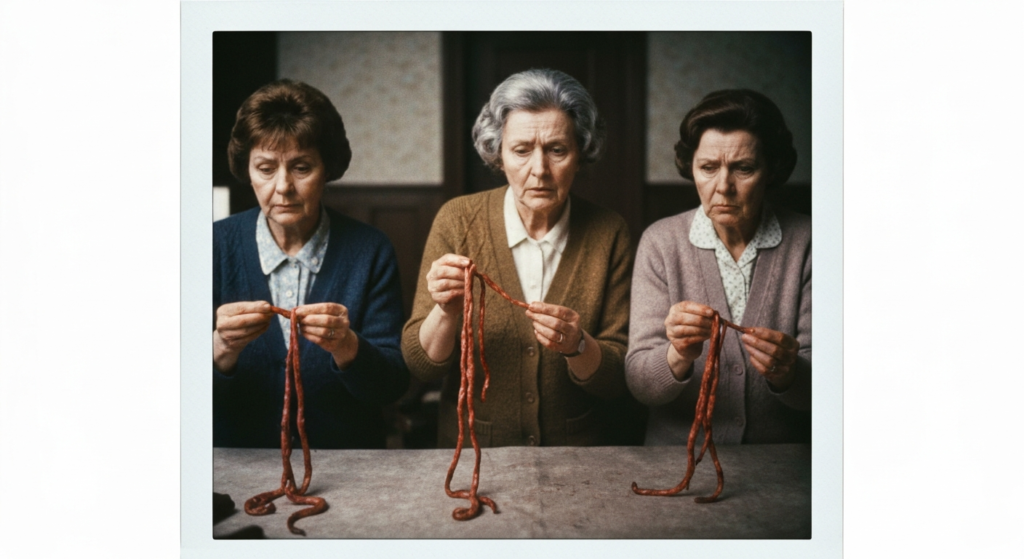
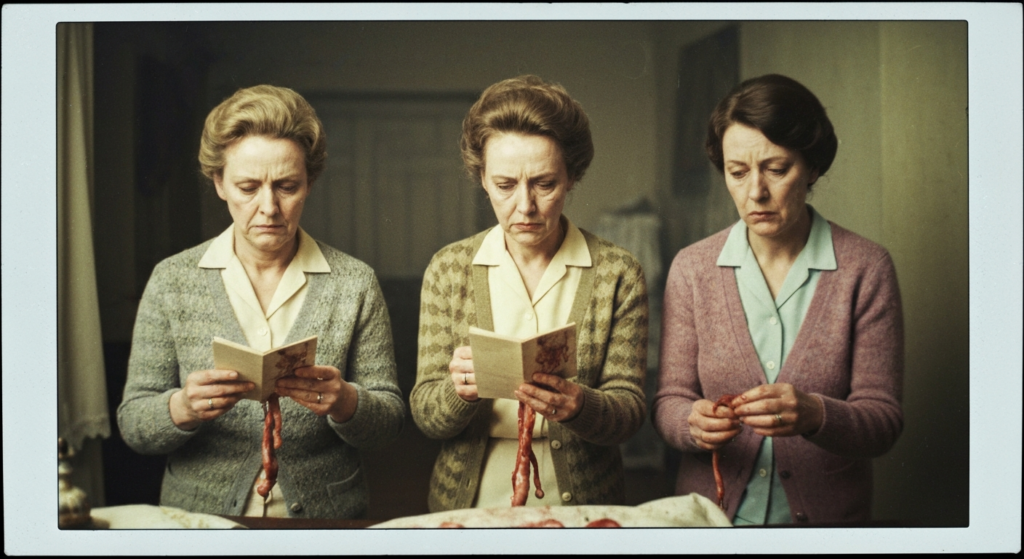
Three women examine animal organs on a table, suggesting haruspicy.

Festival Readings and the Influence of Music

Festival conditions present unique challenges for the practising haruspex — from low-frequency bass vibration to high-energy crowd dynamics. This article examines how music and acoustic environment affect readings, and how to prepare for the festival circuit professionally.

Three women examine animal organs (haruspicy) in a brightly lit, indoor setting.

The Spleen as Compass: Navigating Spiritual Crossroads

The spleen is one of haruspicy's most underused divinatory tools, particularly in crossroads readings where a client's direction is genuinely unclear. This guide covers practical interpretation techniques, how to prepare, and how to communicate splenic findings accurately and responsibly.

Young woman examining organs with a magnifying glass and knife on a table.

A Beginner’s Guide to Becoming a Haruspex

Starting out in haruspicy involves more than enthusiasm — it requires a solid grounding in interpretive tradition, reliable organ sourcing, and a practical working environment. This guide sets out the essentials for new practitioners approaching the discipline seriously.

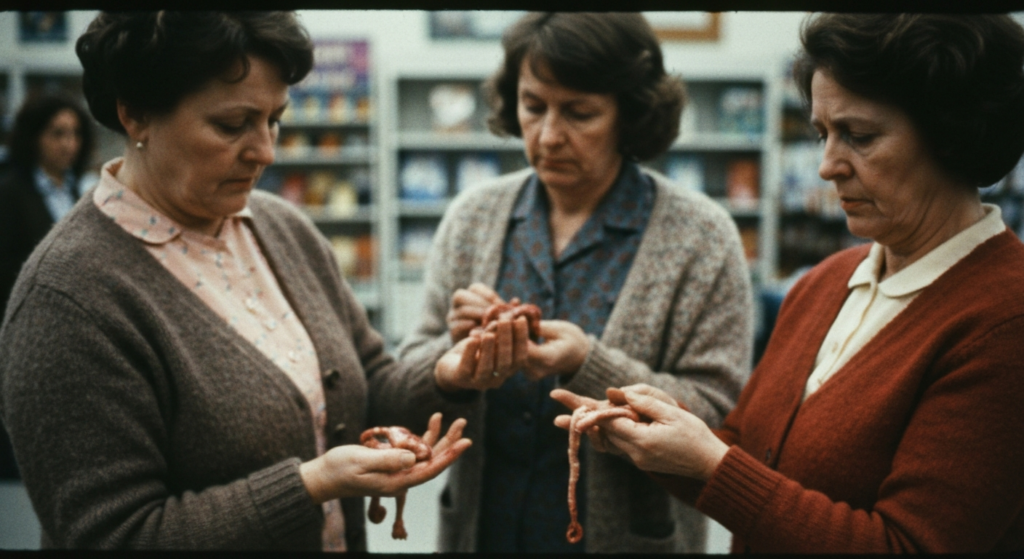
Three women in a store perform haruspicy, examining organs in glass bowls.

Misreading the Gall: When Things Go Wrong

Gall bladder misreadings affect practitioners at every level of experience. This article examines the most common causes — from specimen condition to practitioner bias — and sets out a methodical approach to reducing interpretive error and handling uncertainty professionally.

Two women in a clothing store examine a liver and a handwritten note.

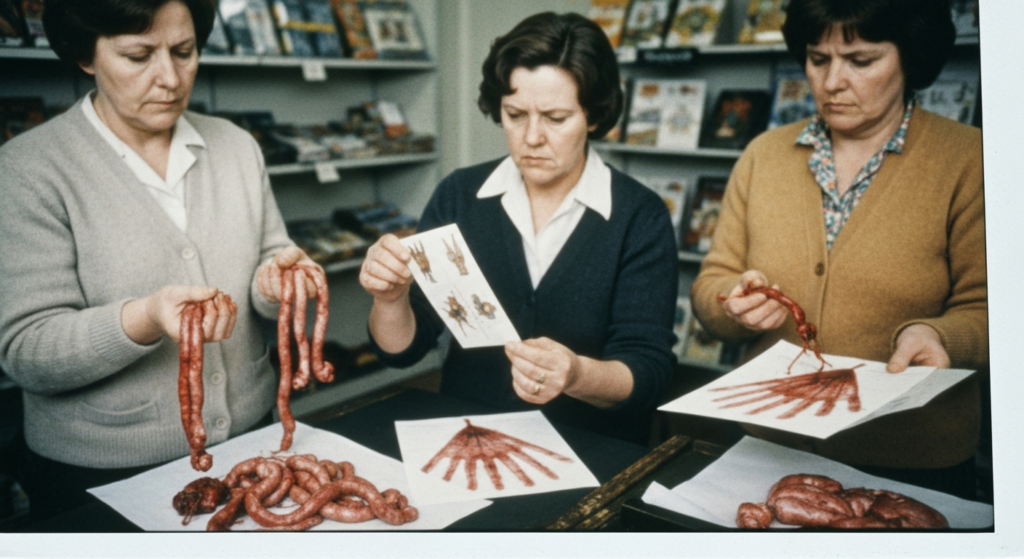
What the Intestines Show Us About Karma

The intestines are among the most information-rich organs available for karmic interpretation, yet they remain underused in general haruspicy practice. This guide covers layout technique, key diagnostic indicators, and how to communicate karmic findings to clients in a way that is useful rather than fatalistic.