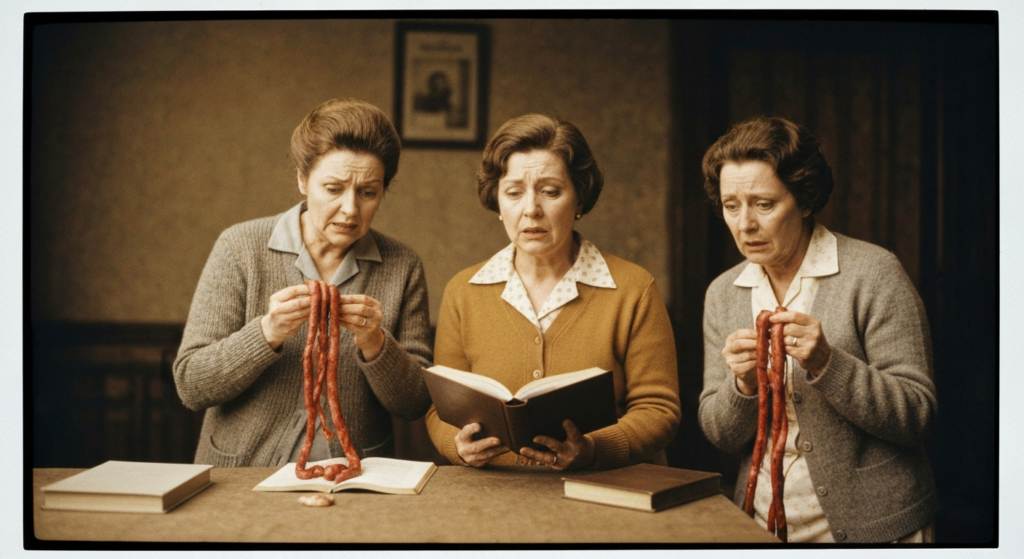
Collective divination has deep historical roots and genuine practical advantages — but only when conducted with proper structure. This guide covers the full protocol for shared tray readings, from silent observation through to client presentation.
Practical guidance for working haruspices. Hepatoscopy, splenic readings, and auxiliary divination.
Category
Divinatory Techniques
Sound practice begins with sound method. This category brings together the full range of practical guidance on divinatory techniques available from Haruspicy.co.uk — covering everything from organ-specific indicators and spleenfold mechanics to the procedural, legal, and professional frameworks that allow you to work with confidence and continuity.
Experienced haruspices will know that the reading does not begin when you pick up the liver. It begins with your permissions, your protective equipment, your client communication, and your understanding of the regulatory environment in which you operate. The divinatory techniques gathered here reflect that reality. You will find articles addressing hygiene standards, insurance considerations, working arrangements with butchers, and the finer points of avoiding nuisance complaints — alongside more directly interpretive material on organ behaviour and indicator reliability.
This section is updated regularly as guidance evolves and as the legal landscape affecting UK practitioners shifts.
Whether you are establishing your practice or refining one you have maintained for years, browse the full archive below and return to it often.
Collective divination has deep historical roots and genuine practical advantages — but only when conducted with proper structure. This guide covers the full protocol for shared tray readings, from silent observation through to client presentation.
Moonlight has long been associated with heightened intuition in divinatory practice, and for working haruspices, the connection is worth examining carefully. This article looks at what lunar conditions actually do to the practitioner, how to set up and document night readings properly, and whether phase-dependent patterns in your own work are worth tracking.
Haruspicy has long been applied to questions of relationship and bond — and a companion animal's birthday offers a meaningful occasion for exactly that kind of reading. This guide covers organ selection, question framing, and how to integrate the practice into the occasion with appropriate rigour.

Working with day-old offal is an occupational reality for most practising haruspices, but time lag — the displacement between slaughter and reading — requires careful interpretive adjustment. This article explains how degradation affects divinatory accuracy, which organs are most vulnerable, and how to manage client expectations when material is less than fresh.
Interpretive errors are rarely caused by ignorance of the indicators. More often, they reflect a practitioner who sat down to work before they were ready. This guide addresses the practical role of meditation before and after a divination session, and why both stages matter to the quality of your readings.

The cardiac organ can overwhelm a haruspicy reading with misleading intensity, particularly under emotionally charged conditions. This guide covers how to identify when the heart is presenting unreliably, how to recentre the reading on more stable organs, and when preparation can prevent cardiac dominance from arising in the first place.
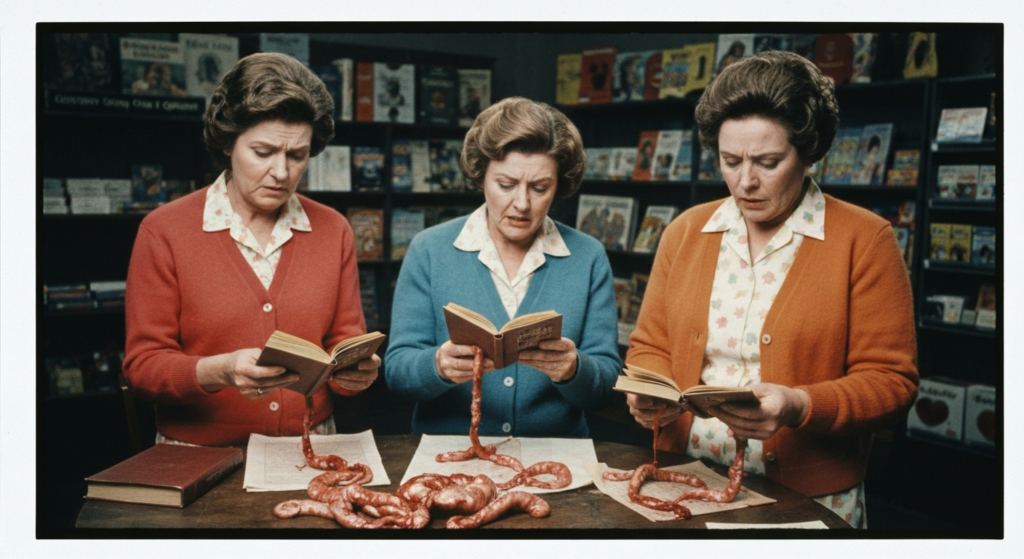
The intestinal tract is one of the most immediate and responsive organs available to the practising haruspex, reflecting present-state well-being with a directness the liver rarely matches. This guide covers the theory, practical mechanics, and interpretive principles of gut-frequency reading, from initial assessment through to client communication. It is intended for practitioners at all levels with an interest in developing this area of their work.
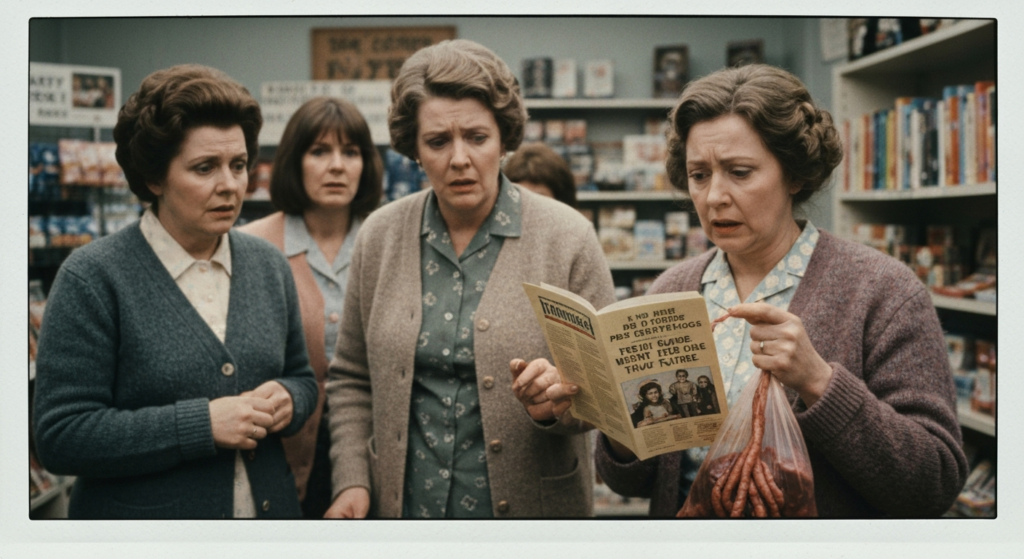
Supermarket sausages are not a substitute for fresh organ material, but approached with proper method they can yield genuine portents. This guide covers selection, preparation, reading technique, and the interpretive limits of processed-meat divination for practising haruspices.

Thunderstorms present specific and manageable challenges for outdoor haruspicy — wind displacement, temperature drop, and rainfall all affect the tray and the tissue. This guide covers equipment adaptations, organ selection, and the interpretive considerations that storm conditions require. Practical, specific, and written for practitioners who work in all weathers.
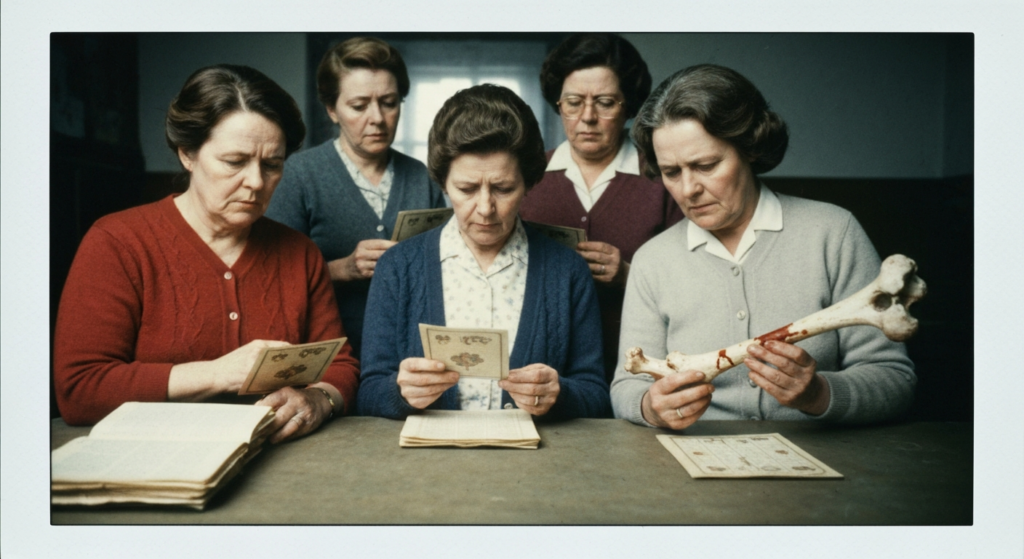
Post-reading follow-ups are one of the most reliable tools available for improving interpretive accuracy over time. This guide covers when to schedule them, how to structure the conversation, and how to use longitudinal records to identify and correct interpretive drift.