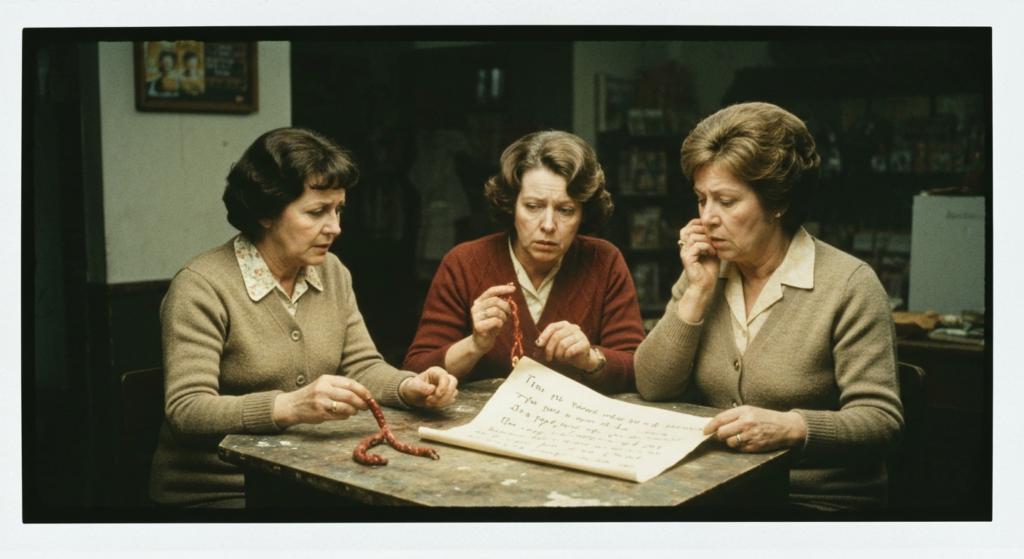
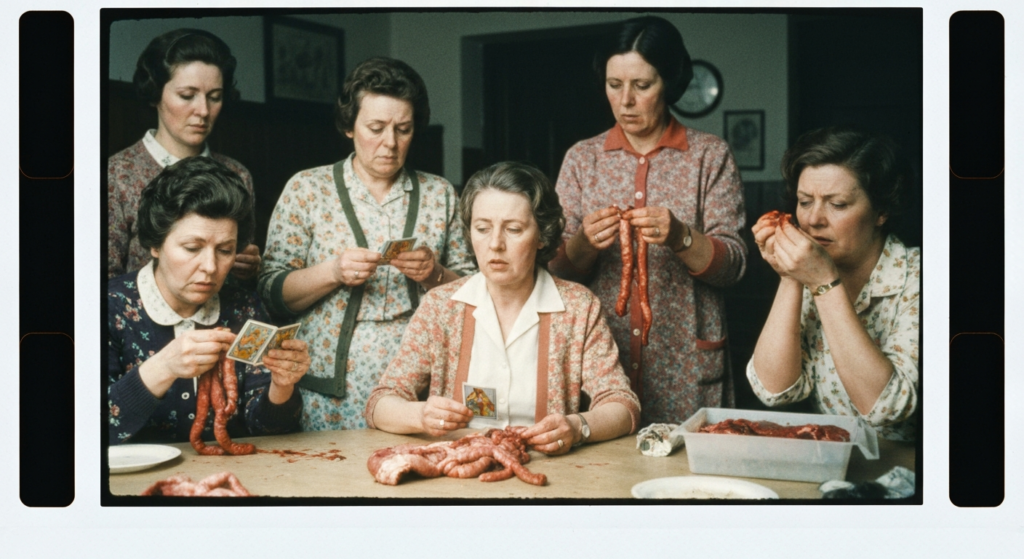
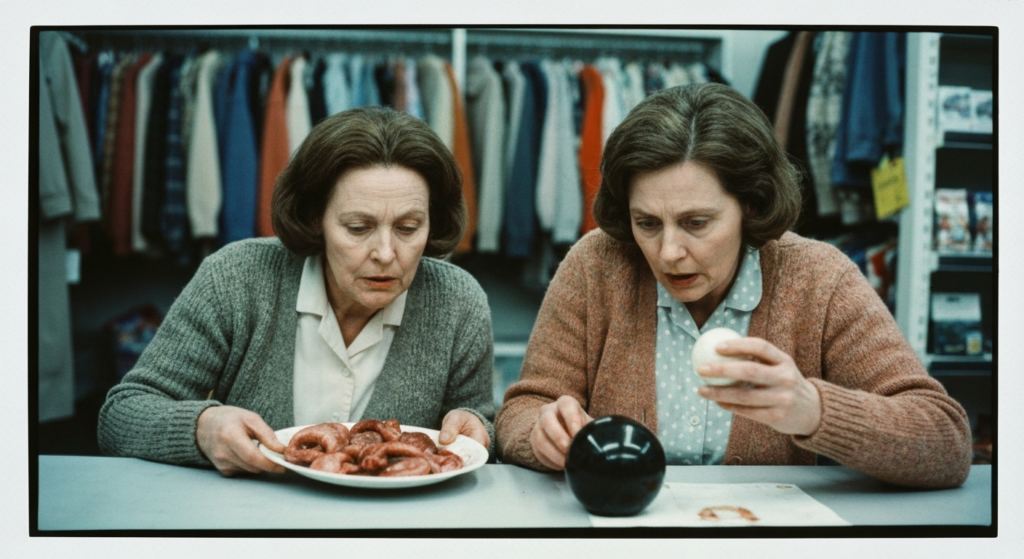
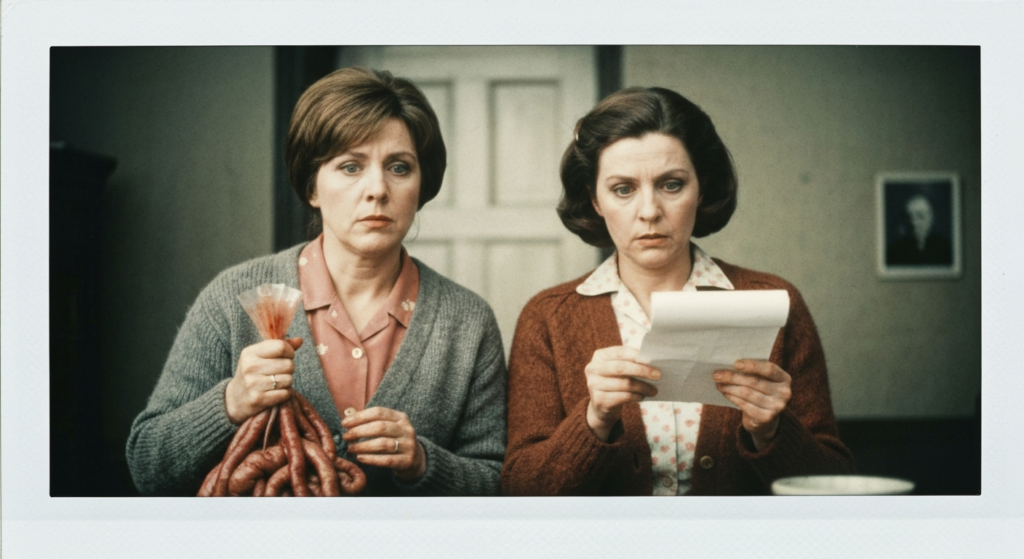
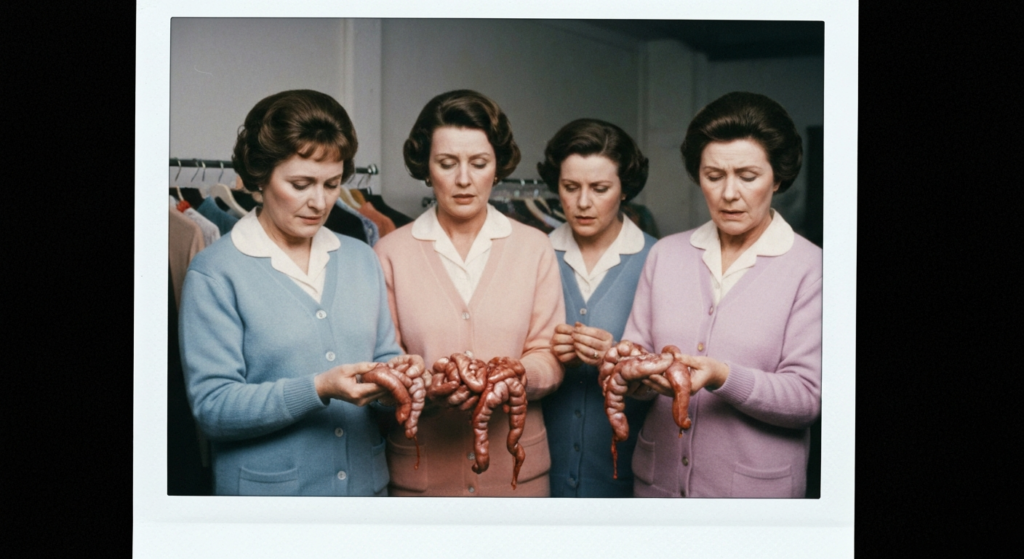
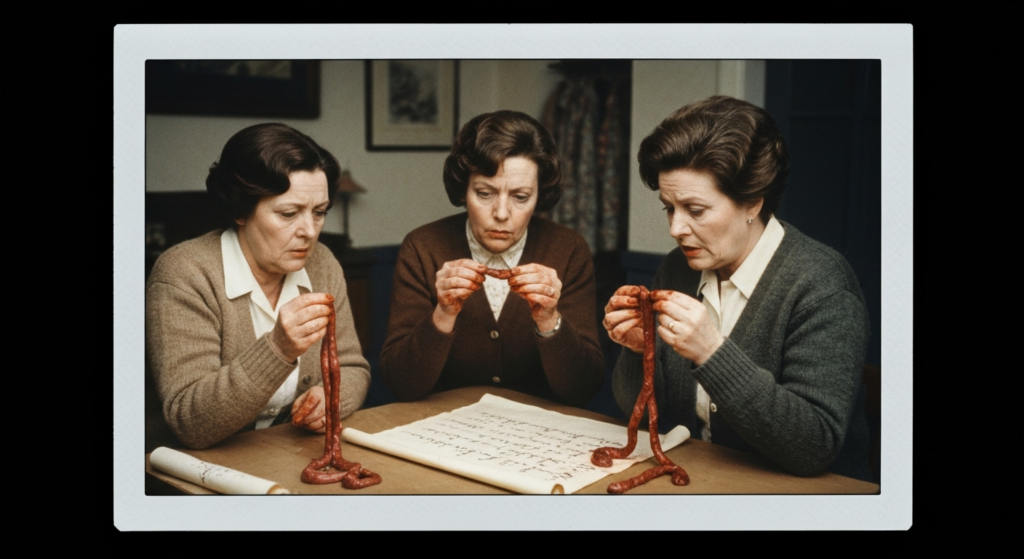
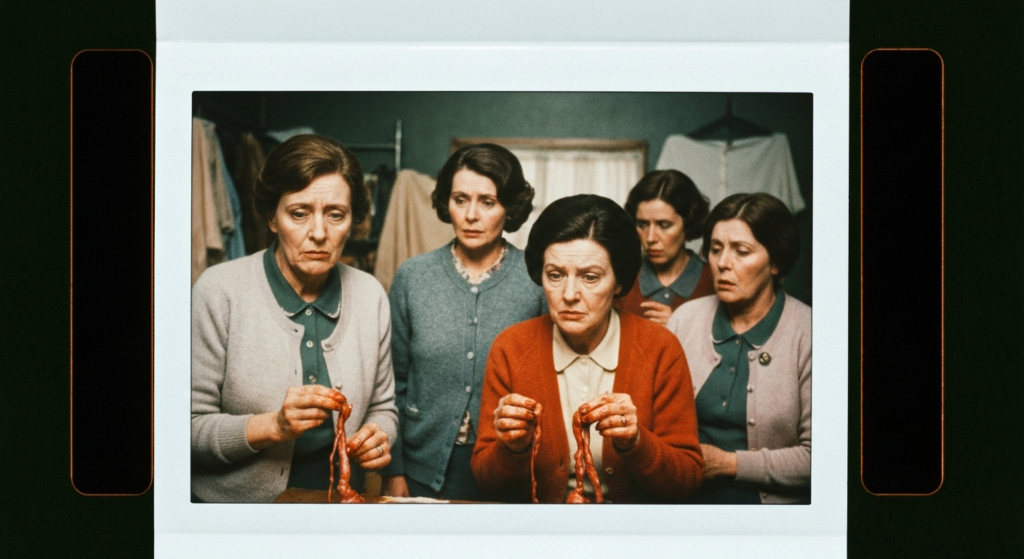
One of the most persistent accounts in the European haruspical tradition concerns a porcine intestinal formation that may have shaped a medieval succession. This article examines the reading, its method, and what it still offers the practising haruspex today.
Category
Case Studies & Readings
Case Studies & Readings is the practical core of this resource — a curated archive of documented examinations, annotated scenarios, and real-world accounts contributed by practising haruspices across the UK and further afield.
The material here covers the full range of challenges encountered in active practice: contested spleenfold interpretations, procedural complexities in regulated environments, licensing ambiguities, and the administrative realities of mobile reading operations. You will find articles addressing documentation standards, relationships with local authorities, grant applications, and what experienced practitioners have learned from readings that did not go according to plan.
This is not theoretical. Case Studies & Readings exists because organ behaviour varies, contexts vary further still, and the most useful knowledge in this profession tends to come from specific, well-documented experience rather than general principle. What worked, what did not, and what a practitioner would approach differently next time — that is the substance of this archive.
Whether you are newly qualified or have decades of practice behind you, the archive rewards careful reading. Browse Case Studies & Readings in full, and consider submitting your own documented experience where it may be of value to others.
Open-Air Divinations: Results from the 2023 Solstice
In the summer of 2023, a group of experienced haruspices conducted a collective open-air reading at a stone circle on the summer solstice. This case study documents their methods, findings, and the practical lessons drawn from the session for practitioners considering outdoor divination work.
Wedding Readings and Their Consequences
Wedding readings carry a distinct set of professional risks that routine consultations do not. This article examines what goes wrong, why it goes wrong, and how careful preparation and honest communication with clients can prevent the most common failures.
Haruspicy in the 2019 General Election: A Review
In the weeks before the December 2019 general election, twenty standardised liver readings were conducted by practitioners across the UK. This review examines what those readings indicated, where they held, and what the methodology can learn from the results.
Reading Entrails With My Nan: A Family Story
For many British haruspices, the path into practice began not with a course but with a family member and a worn chopping board. This piece examines what informal apprenticeship actually teaches, why it remains a legitimate foundation for professional practice, and why that knowledge urgently needs documenting before it is lost.
Dog Park Divinations: A Surprising Pattern
Over fourteen months of field observation, a recurring correlation has emerged between collective canine behaviour in public parks and the atmospheric conditions that produce clear haruspicy readings. This article documents the pattern, its limitations, and how practitioners might use it as a supplementary indicator before beginning work in outdoor settings.
Interdimensional Readings: Case Files
A case summary from practice examining an interdimensional liver reading involving anomalous fat-layer patterning and recurring dream symbolism. The article addresses interpretive frameworks, documentation standards, and the professional risks of working outside conventional hepatic categorisation.
What the Goat Showed Me: Personal Account
A detailed personal account of a goat reading conducted for a business client, in which conflicting indicators from the liver and spleen required careful synthesis. The case offers practical lessons in organ interpretation, client communication, and the limits of what a reading can claim to deliver.
The Liver That Predicted a Divorce
A case study in relationship haruspicy, examining what a lamb's liver revealed about a couple's relational health and how those findings were communicated responsibly. The reading identified disconnection and retained grievance — and prompted the clients to seek the support they needed. A useful illustration of what accurate, carefully delivered divination can and cannot show.
The Chicken That Knew Too Much
A practising haruspex recounts a poultry reading conducted on a Midlands farm, where a Plymouth Rock hen's organs produced an unusually coherent set of indicators. The case raises useful questions about animal subjects, interpretive method, and client management that apply well beyond agricultural work.