\n\n advanced-techniques - Haruspicy

Tag

advanced-techniques

Here you will find a curated collection of posts tagged advanced techniques, covering the more nuanced and demanding aspects of haruspicy practice. Whether you are refining your approach to spleenfold mechanics, navigating the legal and regulatory landscape of working as a practitioner, or developing professional relationships with butchers and relevant authorities, these resources go beyond the basics. From insurance considerations to grant applications, the advanced techniques tag brings together guidance for those who are serious about practicing responsibly, professionally, and with confidence. Browse the full collection and take your understanding of this ancient art to a more sophisticated level.

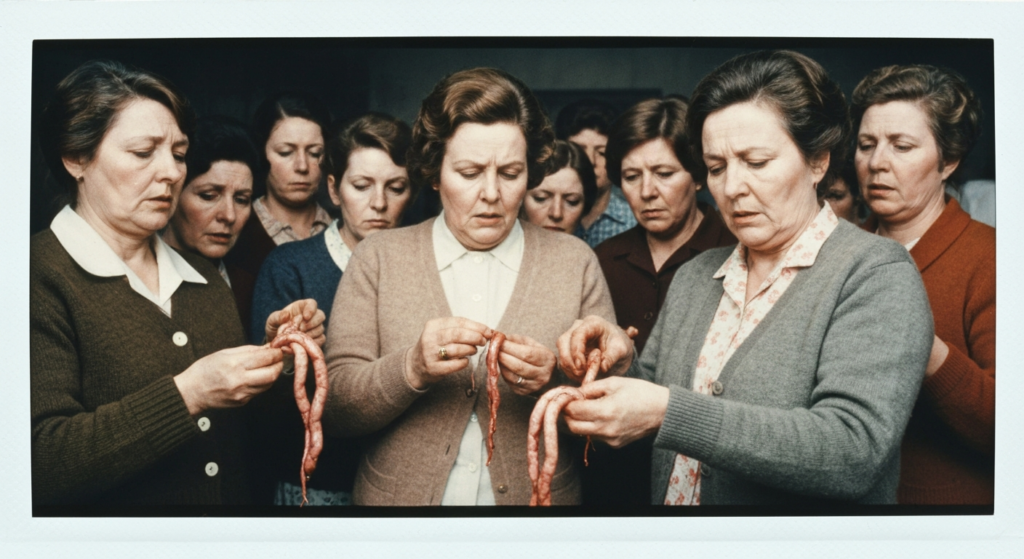
Four women in period dress examine a piece of paper and a coiled organ, suggesting divination.

Interview: The Man Who Only Reads Kidneys

John Mathers has practised haruspicy for over twenty years — but he reads only one organ. We visited the Shropshire-based specialist to discuss kidney divination, the case for deep specialisation, and what renal tissue reveals that other organs cannot.

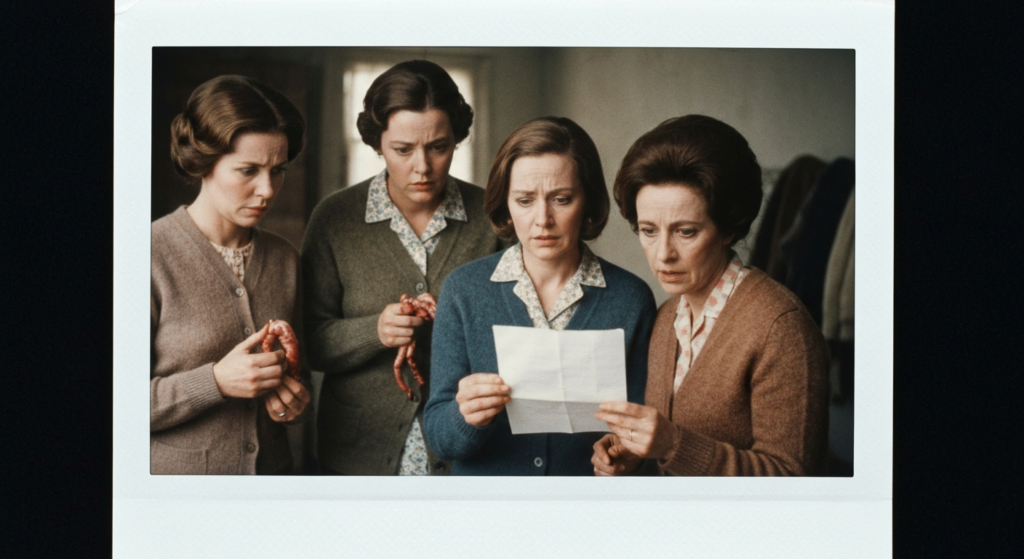
Three women in vintage clothing examine organs and a book, suggesting haruspicy.

Day-Old Offal and the Problem of Time Lag

Working with day-old offal is an occupational reality for most practising haruspices, but time lag — the displacement between slaughter and reading — requires careful interpretive adjustment. This article explains how degradation affects divinatory accuracy, which organs are most vulnerable, and how to manage client expectations when material is less than fresh.

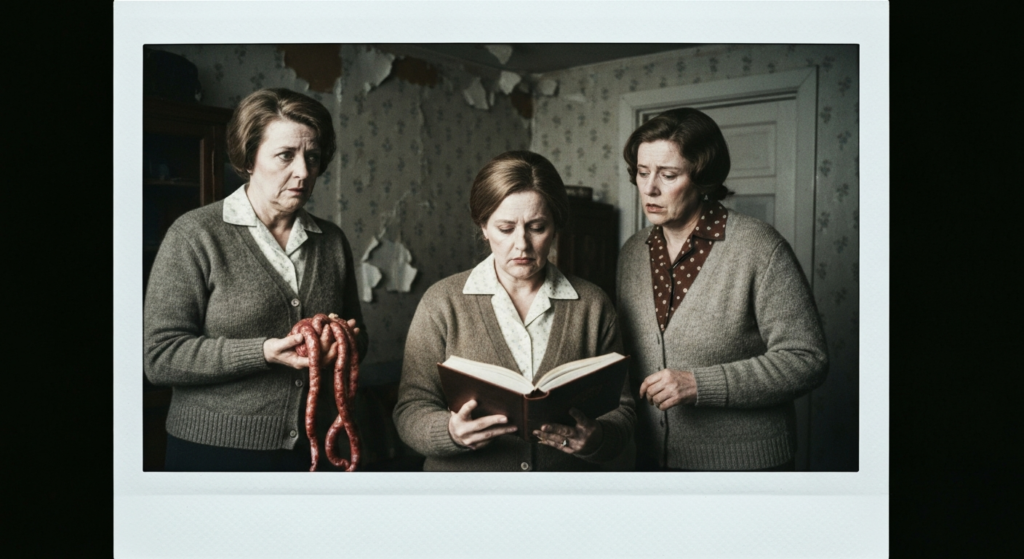
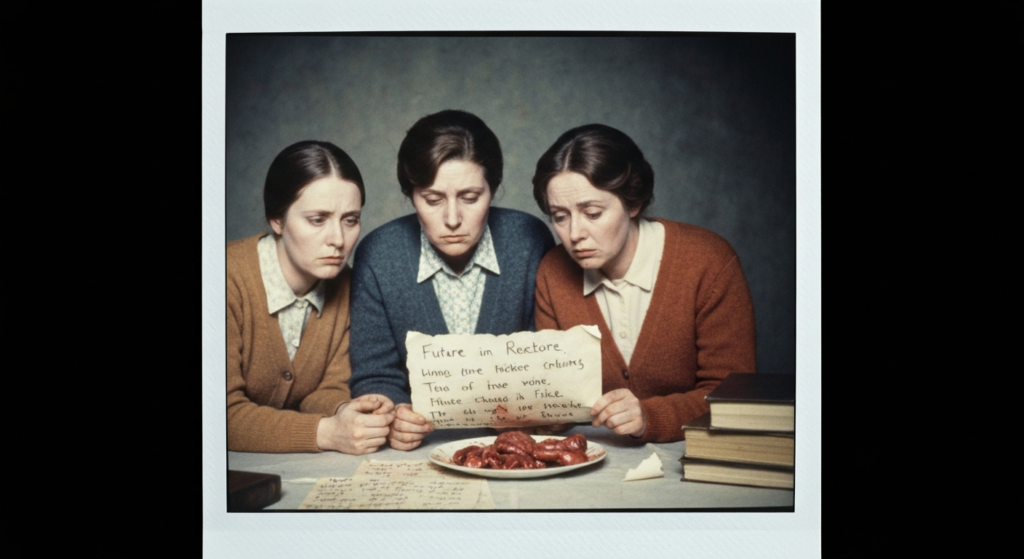
Group of women in vintage clothing examining divination tools, including organs and cards.

The Haruspicy Book Club Reading List

A curated reading list from the Haruspicy Book Club, covering foundational historical texts, anatomical reference guides, and interpretive theory for practitioners at every level. Updated regularly with recommendations from the practising community.

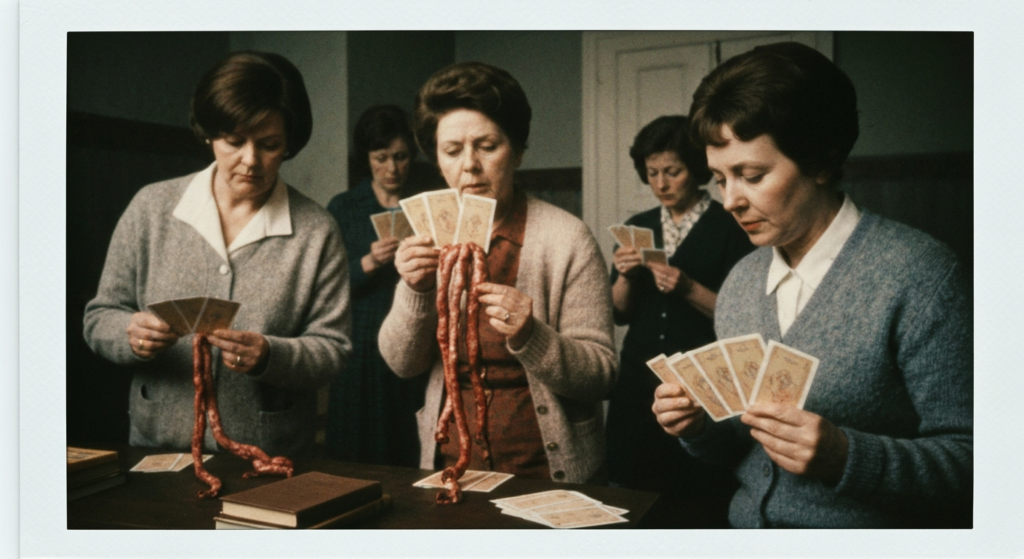
Three women in vintage clothing look at a plate of organs, suggesting haruspicy.

Meditation Before and After Divination

Interpretive errors are rarely caused by ignorance of the indicators. More often, they reflect a practitioner who sat down to work before they were ready. This guide addresses the practical role of meditation before and after a divination session, and why both stages matter to the quality of your readings.

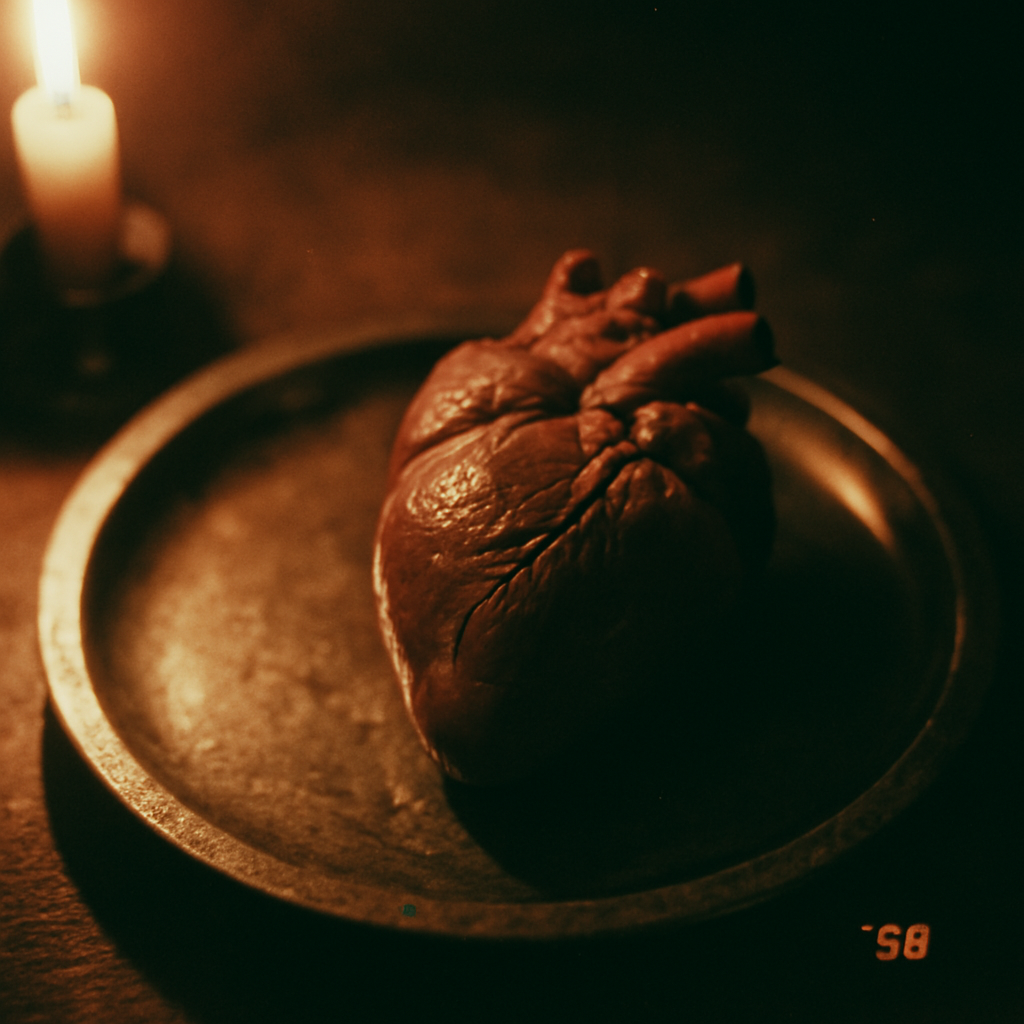
Dark, moody photo of a raw organ on a metal tray, lit by a candle.

Unreliable Organs: When the Heart Gets in the Way

The cardiac organ can overwhelm a haruspicy reading with misleading intensity, particularly under emotionally charged conditions. This guide covers how to identify when the heart is presenting unreliably, how to recentre the reading on more stable organs, and when preparation can prevent cardiac dominance from arising in the first place.

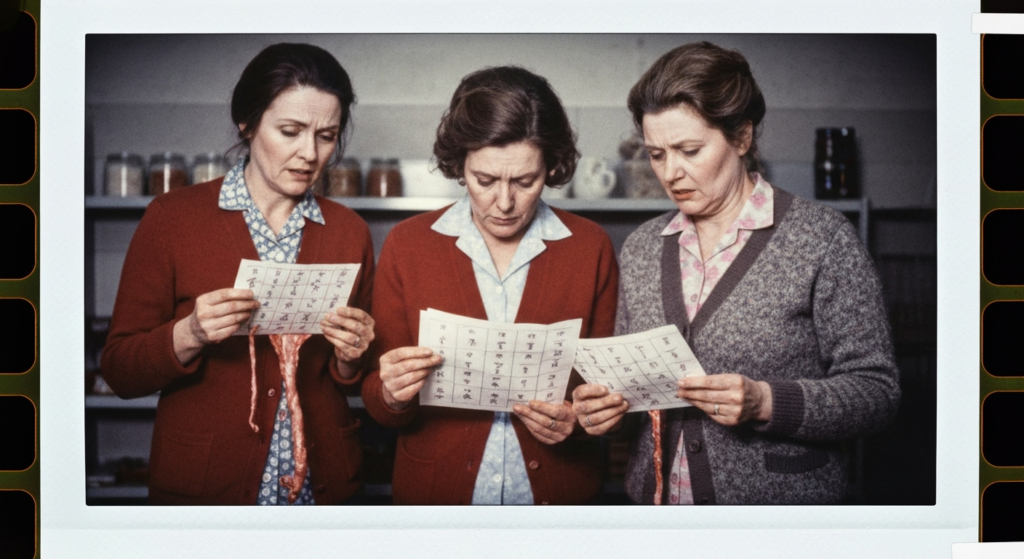
Three women in a dimly lit room examine divination slips, suggesting haruspicy.

Experimental Use of Black Pudding as a Medium

Black pudding's high blood content has made it a subject of genuine interest among practitioners seeking alternatives to primary organ reading. This article examines the field evidence, practical handling requirements, and the interpretive limitations of working with processed blood material as a medium.

Three women examine coiled animal organs and open books on a table in a library setting.

Harmonic Gut Frequencies and Inner Peace

The intestinal tract is one of the most immediate and responsive organs available to the practising haruspex, reflecting present-state well-being with a directness the liver rarely matches. This guide covers the theory, practical mechanics, and interpretive principles of gut-frequency reading, from initial assessment through to client communication. It is intended for practitioners at all levels with an interest in developing this area of their work.

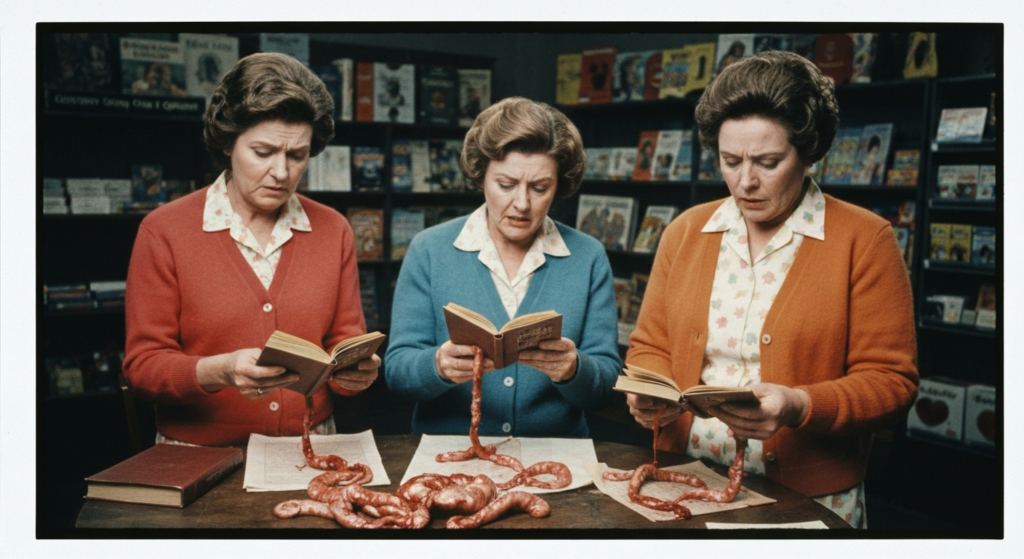
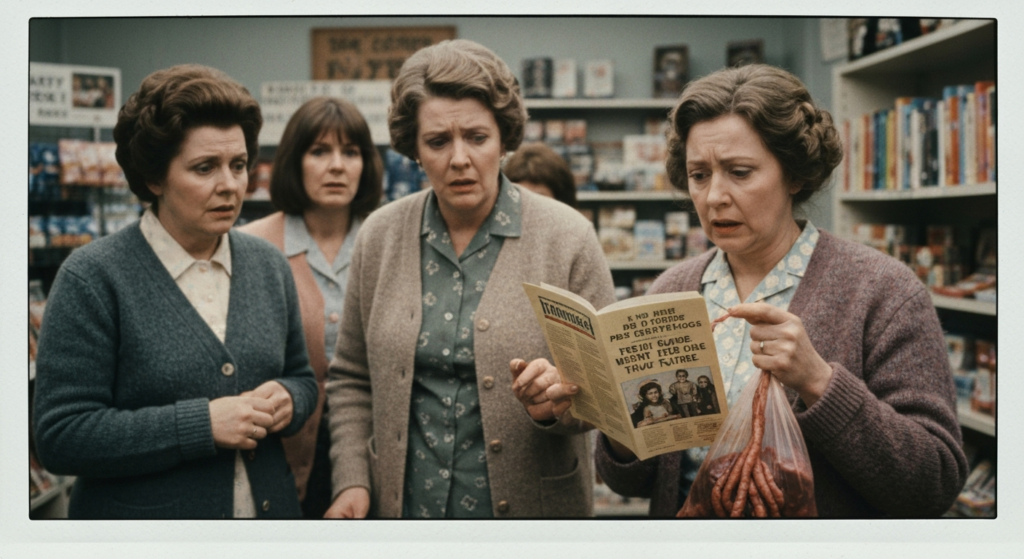
Group of women in a bookstore, one holding a book and a bag of intestines.

Reading Supermarket Sausages for Portents

Supermarket sausages are not a substitute for fresh organ material, but approached with proper method they can yield genuine portents. This guide covers selection, preparation, reading technique, and the interpretive limits of processed-meat divination for practising haruspices.

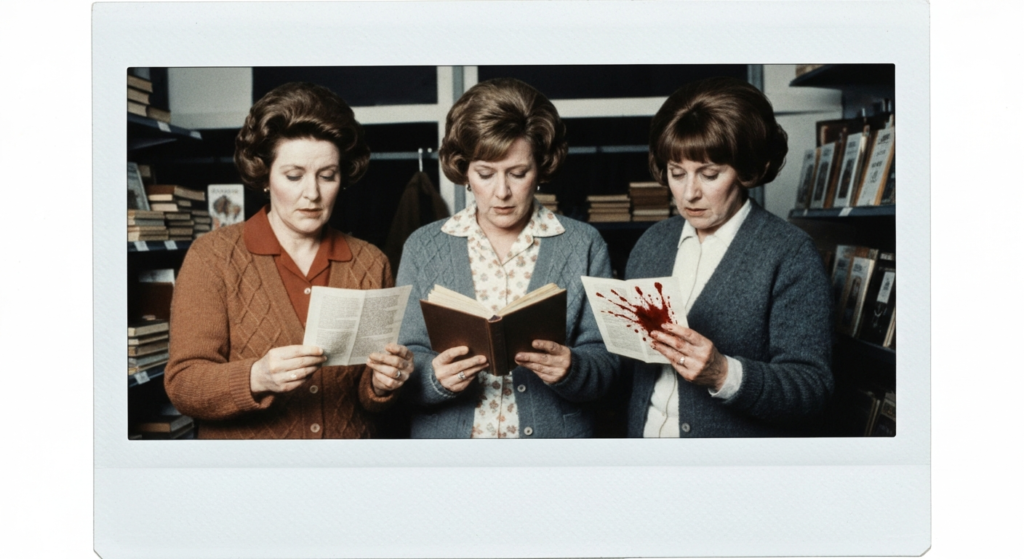
Three women in vintage clothing examine books and a bloody organ, suggesting divination or prophecy.

Reading During a Thunderstorm: Field Conditions

Thunderstorms present specific and manageable challenges for outdoor haruspicy — wind displacement, temperature drop, and rainfall all affect the tray and the tissue. This guide covers equipment adaptations, organ selection, and the interpretive considerations that storm conditions require. Practical, specific, and written for practitioners who work in all weathers.

Four women examine animal organs and an open book, suggesting a séance or divination ritual.

Chakras and the Colon: Energetic Overlap

The colon is one of the most expressive organs available to the practising haruspex, yet it is consistently underused. This article outlines the energetic correspondences between the large intestine and the root and sacral chakras, with practical guidance on what to look for and how to integrate colon readings with the wider abdominal examination.