\n\n advanced-techniques - Haruspicy

Tag

advanced-techniques

Here you will find a curated collection of posts tagged advanced techniques, covering the more nuanced and demanding aspects of haruspicy practice. Whether you are refining your approach to spleenfold mechanics, navigating the legal and regulatory landscape of working as a practitioner, or developing professional relationships with butchers and relevant authorities, these resources go beyond the basics. From insurance considerations to grant applications, the advanced techniques tag brings together guidance for those who are serious about practicing responsibly, professionally, and with confidence. Browse the full collection and take your understanding of this ancient art to a more sophisticated level.

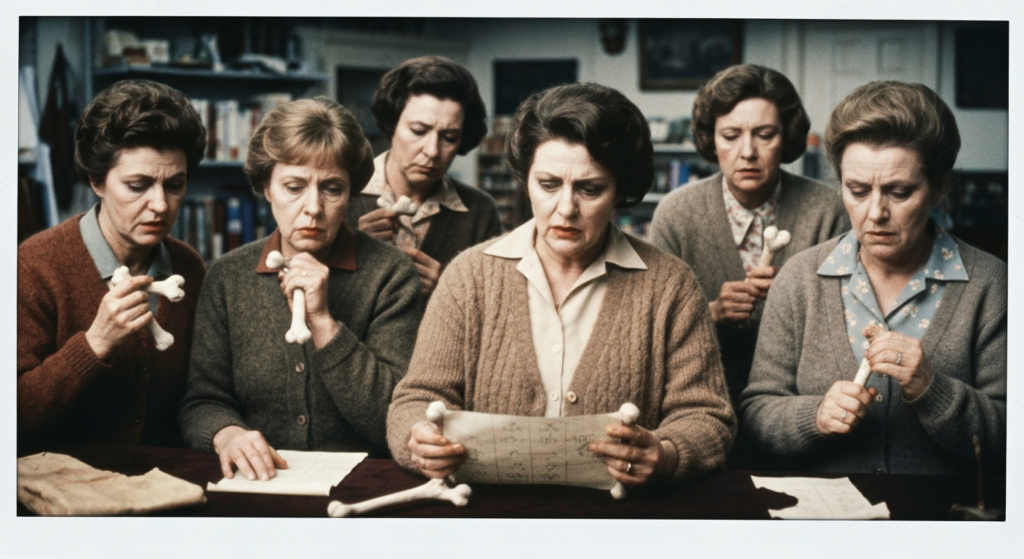
Seven women examining bones and divination materials on a table, suggesting haruspicy.

Organs That Speak in Dreams

Dreams frequently surface organ imagery that experienced haruspices will recognise from waking readings. This guide offers a working framework for interpreting what the liver, spleen, intestines, and other organs communicate in the dream state, and how to apply that material in client sessions.

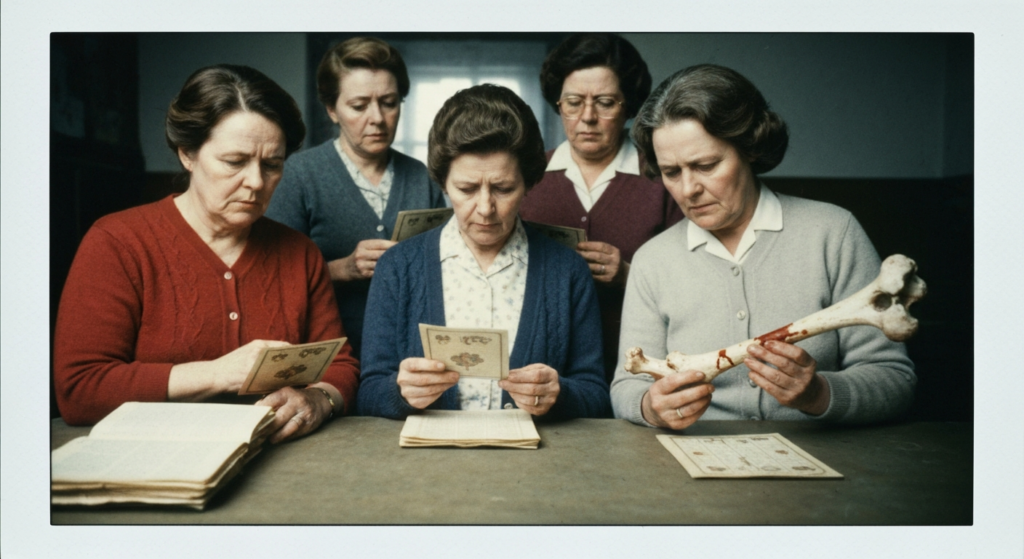
Group of women examining bones and cards, suggesting haruspicy or divination.

Post-Reading Follow-Ups: Accuracy Over Time

Post-reading follow-ups are one of the most reliable tools available for improving interpretive accuracy over time. This guide covers when to schedule them, how to structure the conversation, and how to use longitudinal records to identify and correct interpretive drift.

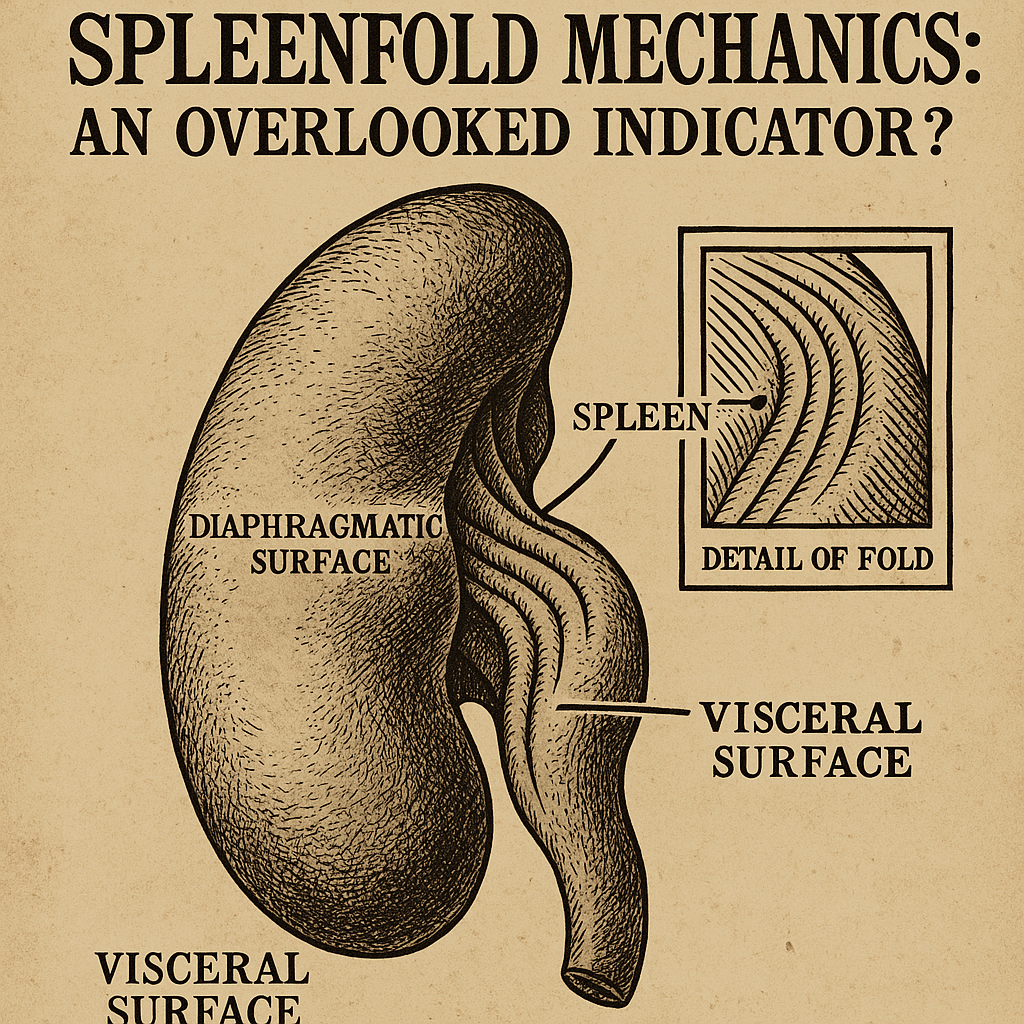
Engraving of a spleen and liver, labeled with anatomical terms and a fold detail.

Spleenfold Mechanics: An Overlooked Indicator?

The spleen is consistently underused in haruspic practice, yet spleenfold mechanics — the systematic reading of fold patterns and structural asymmetry — offers a reliable corroborating layer for experienced practitioners. This article examines why the technique has been overlooked and how to begin incorporating it into your readings. A working method for spleenfold assessment is included.

Three women examine animal organs, suggesting a scene related to haruspicy.

Why the Liver Speaks to Me But Not to You

Organ affinity in haruspicy is not a matter of preference — it reflects a practitioner's interpretive history, sensibility, and the questions they are most equipped to answer. This piece examines why the liver dominates some practices, why that need not be the standard, and how developing range across organs strengthens the quality of a reading.

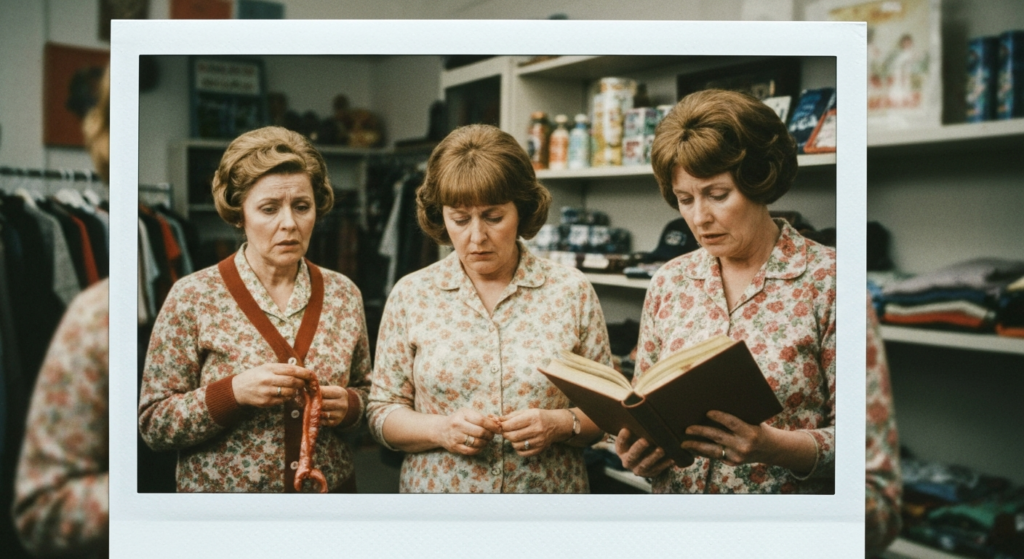
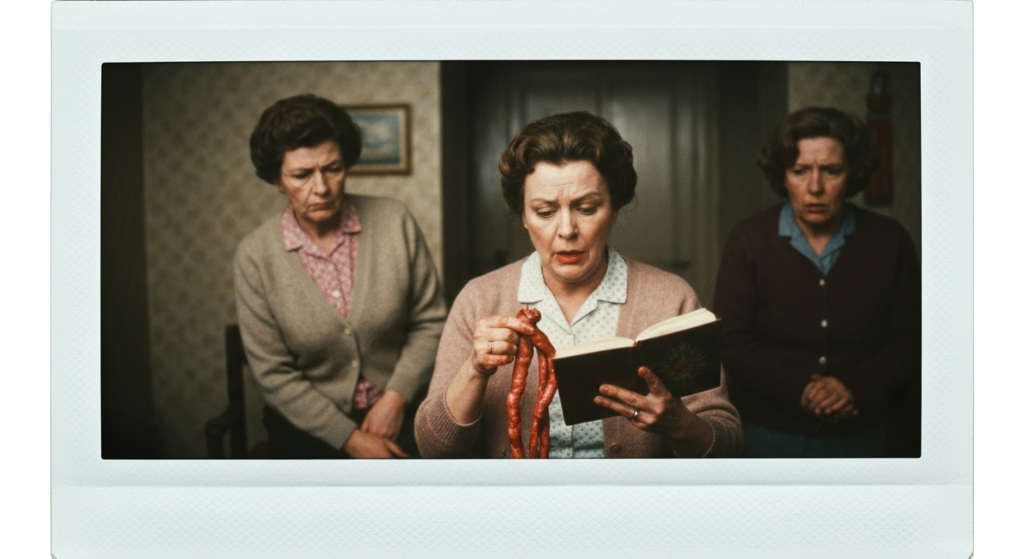
Three women in floral dresses examine an organ and an open book, suggesting haruspicy.

Regional Bias in Entrail Interpretation

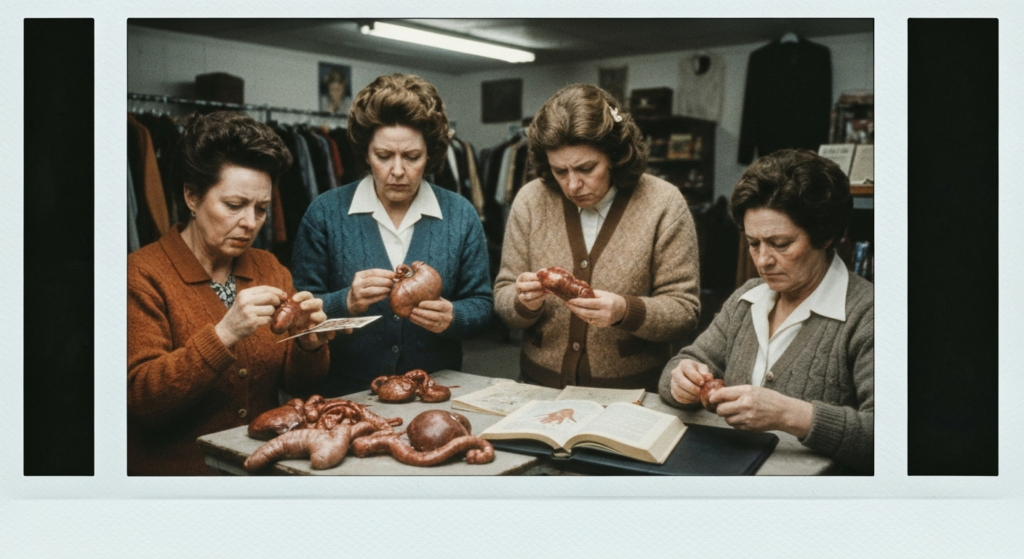
Organs from different regions present differently, and a framework calibrated to one area will not always transfer cleanly to another. This article examines how geographic origin, animal provenance, and local interpretive tradition affect readings — and what practitioners can do to account for them.

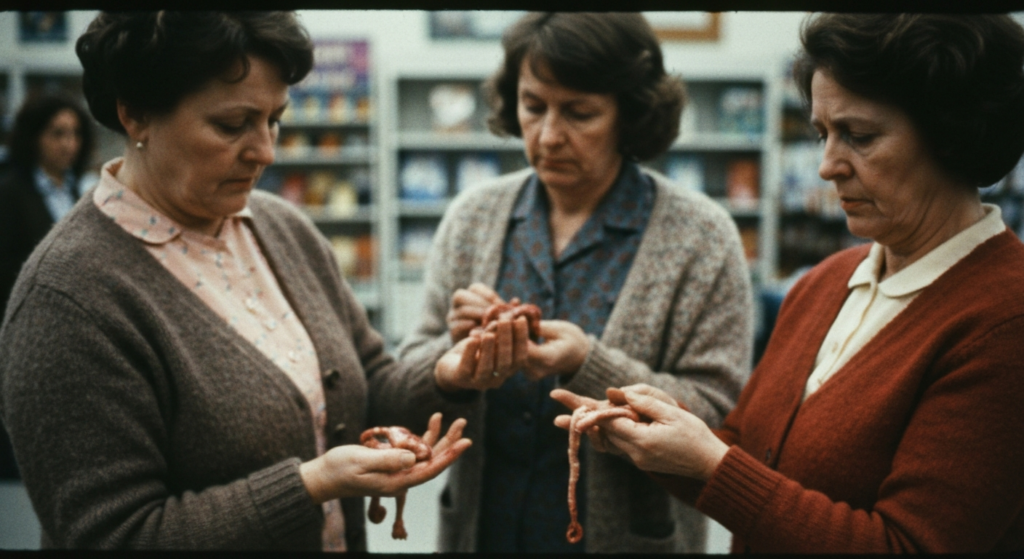
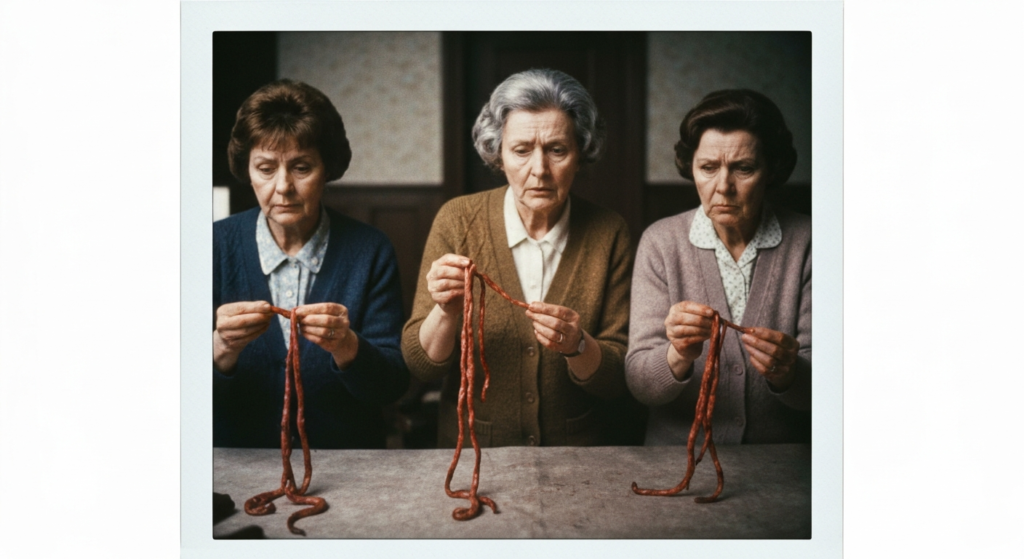
Three women examine reddish, stringy organs on a table, suggesting the practice of haruspicy.

Election Forecasting Through Liver Readings

Liver-based electoral forecasting has a longer documented history than modern polling — and a comparable error rate. This guide covers methodology, animal selection, and the practical considerations for haruspices undertaking political readings, with reference to the 2016 US presidential election as a case study in what organ-based divination can detect that quantitative methods cannot.

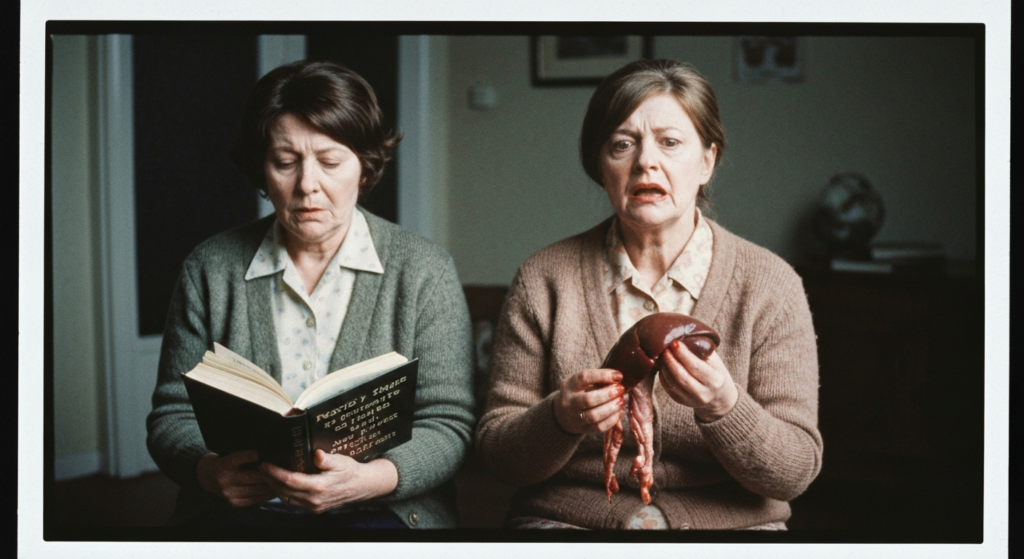
Two women, one reading a book, the other holding a raw organ, suggesting haruspicy.

Spleen Resonance and Past-Life Recall

The spleen is among the most consistently underused organs in haruspical practice, particularly when working with ancestral and past-life material. This piece sets out the practical method for reading spleen resonance, interpreting key indicators, and communicating findings to clients without overreach.

Three women in a vintage style examine animal organs for divination.

DIY Liver Dye Kits: Measuring Reaction Patterns

Liver dye reaction testing offers practising haruspices a reproducible method for calibrating intuitive readings against consistent external data. This guide covers materials, procedure, and the patience required to interpret results meaningfully. A practical addition to any serious practitioner's toolkit.

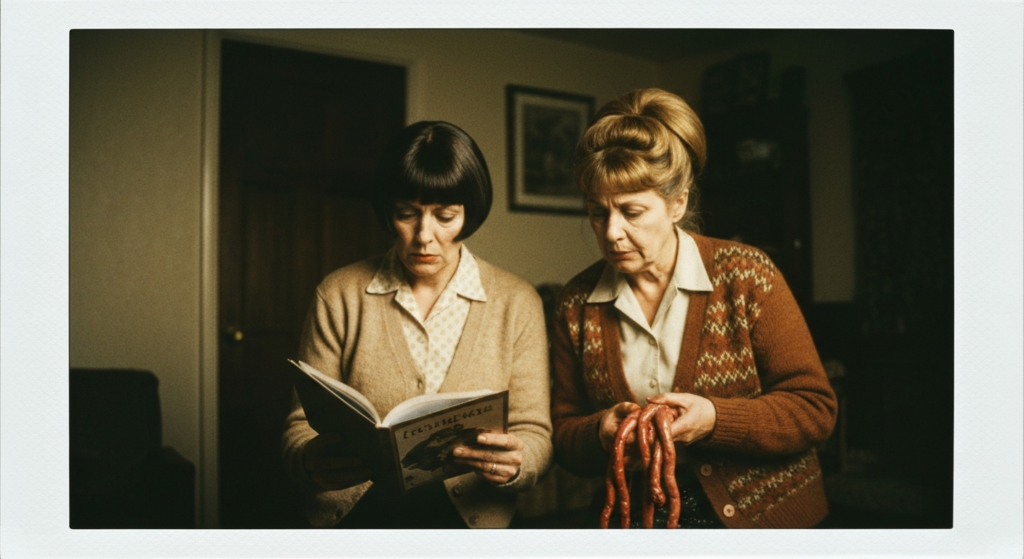
Two women examine divination tools: one reads a book, the other holds intestines.

Roman Liver Maps and Their Modern Application

Roman liver maps, most famously represented by the bronze Piacenza Liver, offer a detailed zonal framework for divination that remains practically relevant today. This article traces their origins across Babylonian, Etruscan, and Roman traditions and explains how to incorporate regional liver reading into contemporary practice. Whether you are new to zonal interpretation or refining an established approach, the Roman cartographic tradition provides a rigorous structural foundation.

Film photo of three women examining organs. Visible labels: B-420, B3-3, and 03.

Experimenting with Lentil Substitutes

Lentil substitution is gaining ground among practising haruspices, but it demands proper calibration and a distinct interpretive framework. This guide covers the practical advantages, the accuracy question, and how to develop the skills the method genuinely requires.