\n\n advanced-theory - Haruspicy

Tag

advanced-theory

Dive deeper into the theoretical foundations of haruspicy with our advanced-theory content. These posts move beyond introductory concepts to explore the more complex and nuanced dimensions of divination practice, from interpreting subtle indicators like spleenfold mechanics to navigating the sophisticated professional and legal landscape that serious practitioners must understand. Advanced theory here encompasses both the intellectual rigour of reading signs and the practical frameworks required to operate responsibly and credibly. Whether you are refining your interpretive skills or building a sustainable practice, this collection of advanced-theory resources will challenge your thinking and expand your expertise. Explore the full archive and take your understanding to the next level.

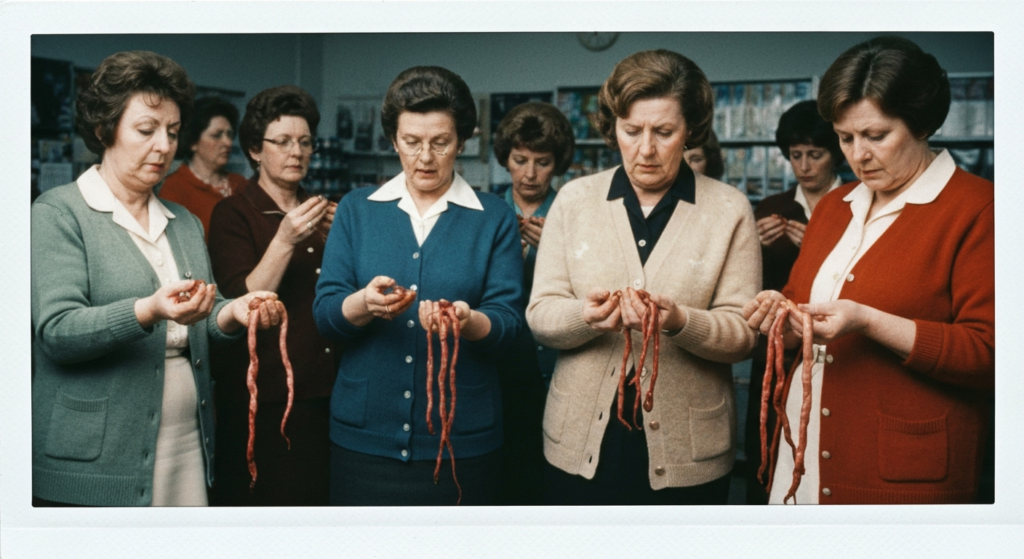
Three women in a shop setting examining intestines, suggesting a scene about haruspicy.

Did the Druids Use Offal?

The claim that the druids practised offal divination is common in haruspicy circles but rarely examined carefully. This article weighs the ancient sources, considers the broader context of visceral divination in the ancient world, and sets out what can and cannot responsibly be claimed about druidic haruspicy.

Five women in period clothing examine organs and leaves on a table, suggesting haruspicy.

The Role of Intuition in a Data-Driven World

Observable features are the foundation of any competent reading, but experienced haruspices know that technique alone rarely tells the whole story. This article examines how intuitive judgement develops alongside disciplined practice, and how to integrate both in the consulting room.

Two women in sweaters examine animal organs, suggesting a scene of haruspicy.

Why I No Longer Use Anthroharuspicy

A practising haruspex reflects on the appeal, the complications, and the eventual costs of anthroharuspicy. Part professional assessment, part honest account of a practice that is rarely discussed with the candour it deserves.

Group of women in vintage clothing examining strands of reddish animal organs.

The Forgotten Entrail Guild of Lincolnshire

The Entrail Guild of Lincolnshire was one of England's few documented regional haruspical associations, active from the early seventeenth century and known for its dual liver-and-membrane reading technique. Its decline offers practical lessons about record-keeping and the transmission of interpretive knowledge. This article examines what the historical record actually supports and what remains recoverable.

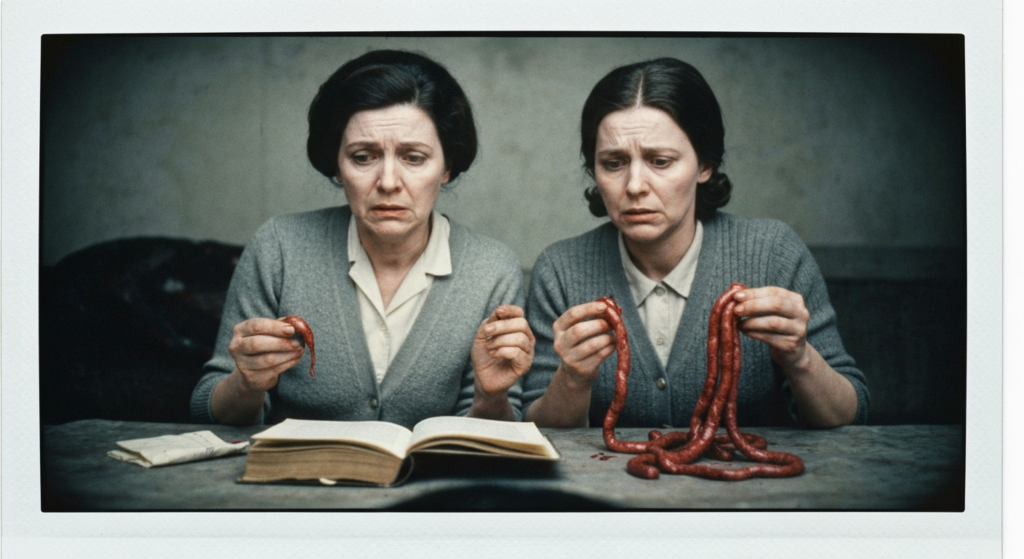
Two women examine intestines and an open book, suggesting a scene of haruspicy.

The Chicken Oracle of Thessaly

The chicken oracle of Thessaly represents one of the earliest and most practically grounded traditions in haruspicatory history. Centred on avian entrail reading in ancient Greece, the Thessalian practice developed sophisticated interpretive methods around readily available materials. This article examines its structure, social role, and continuing relevance to working practitioners.

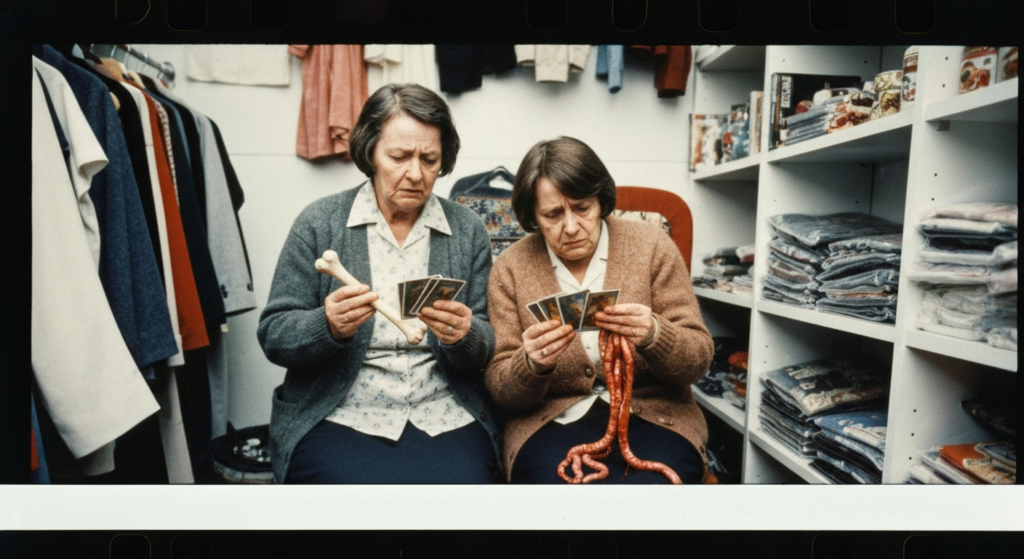
Two women examine divination tools: a bone and cards, with a coiled organ on a shelf.

Disciples of Blavotnik: In Their Own Words

A small but committed community of haruspices draws on Theosophical thought to inform their interpretive practice. We spoke with three such practitioners about how the Blavatsky-influenced framework shapes their work, and what it demands of those who use it.