Category

Theory & Interpretation

Theory & Interpretation

The practice of haruspicy rests on two pillars: what you observe, and what it means. This category addresses the second of those pillars directly. Theory & Interpretation brings together our more considered, analytical writing — articles that move beyond procedural guidance to examine the conceptual foundations of organ reading, the reliability of specific indicators, and the ongoing debates that any serious practitioner should be across.

Here you will find explorations of contested methodology, such as the diagnostic weight of spleenfold mechanics and the longstanding problem of cardiac interference in readings. We also address the broader interpretive framework within which individual signs must be understood — because a reading without rigorous theory behind it is, frankly, guesswork.

This is not a category for those seeking quick answers. Theory & Interpretation is for practitioners who understand that the discipline rewards careful thought, and who want to develop their interpretive instincts on solid ground.

If you are building a serious practice, or simply wish to deepen your understanding of the art, we recommend working through these articles methodically.

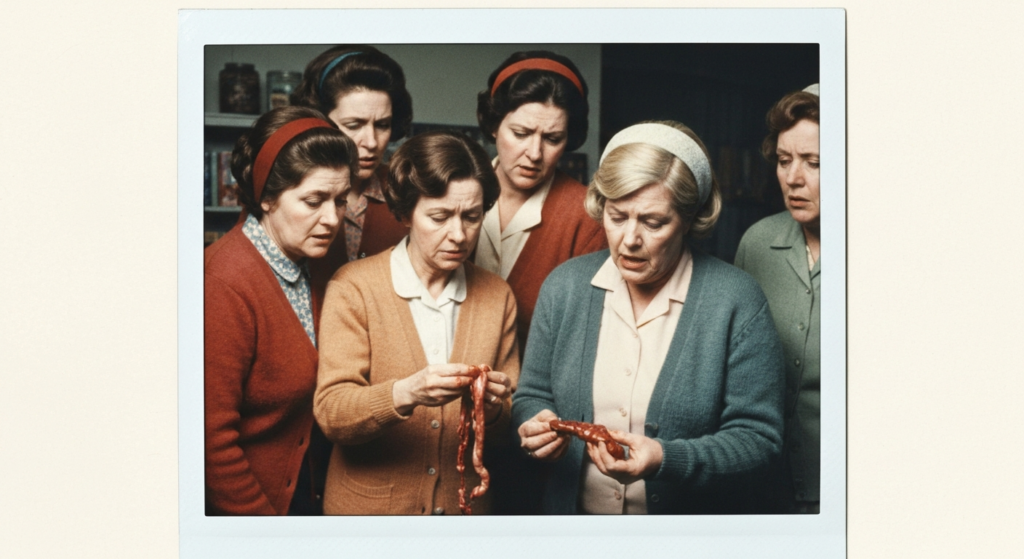
Group of women looking distressed while examining animal organs for haruspicy.

Amateur vs. Professional: Defining Boundaries

As haruspicy grows as a practice, the distinction between amateur and professional practitioners has become increasingly important. This article examines what separates the two, why it matters for clients and the wider community, and what genuine professional development in the field actually requires.