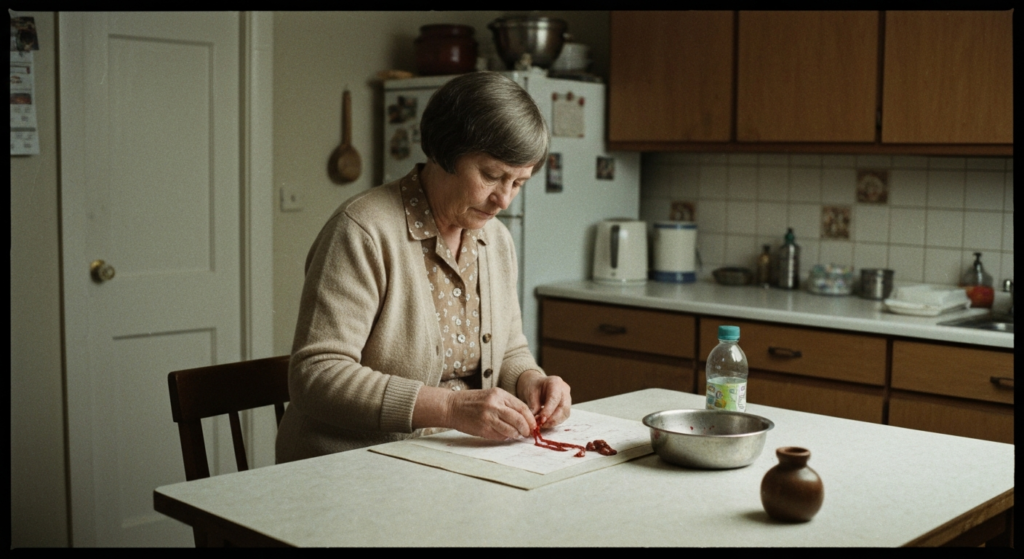
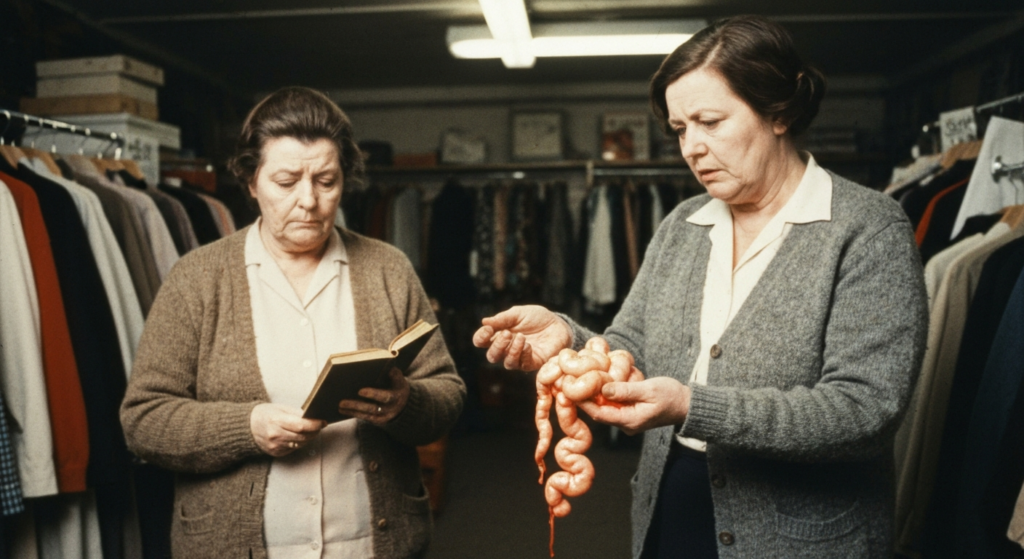
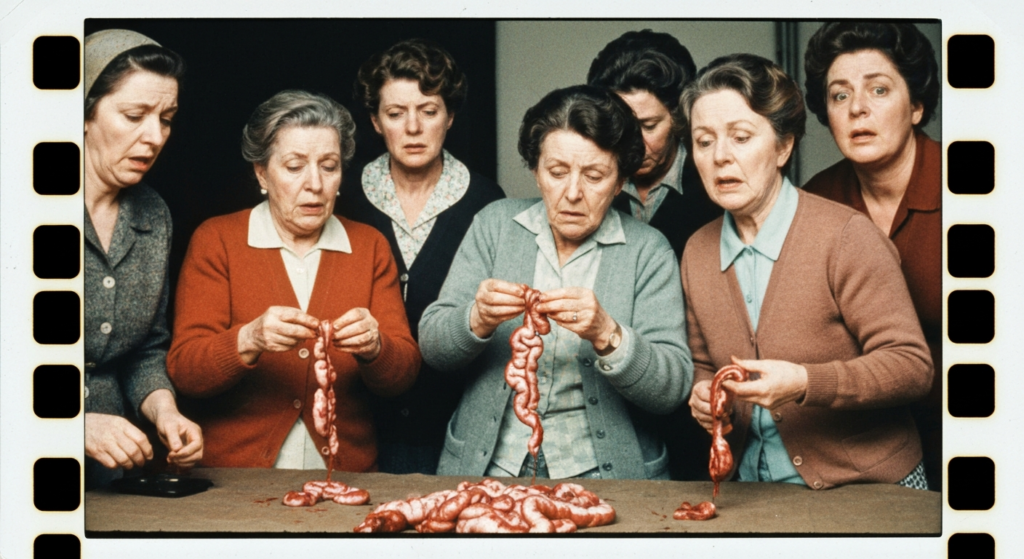
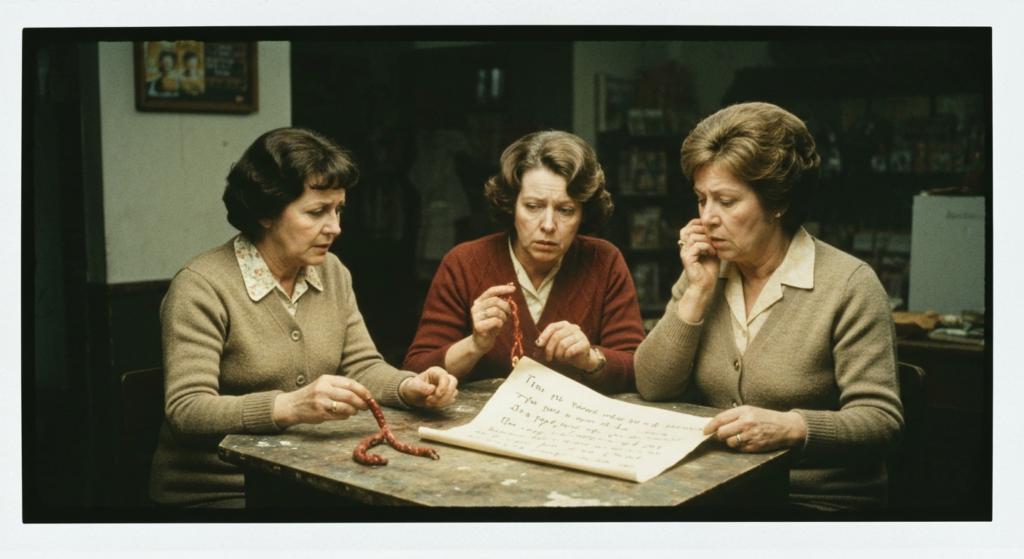
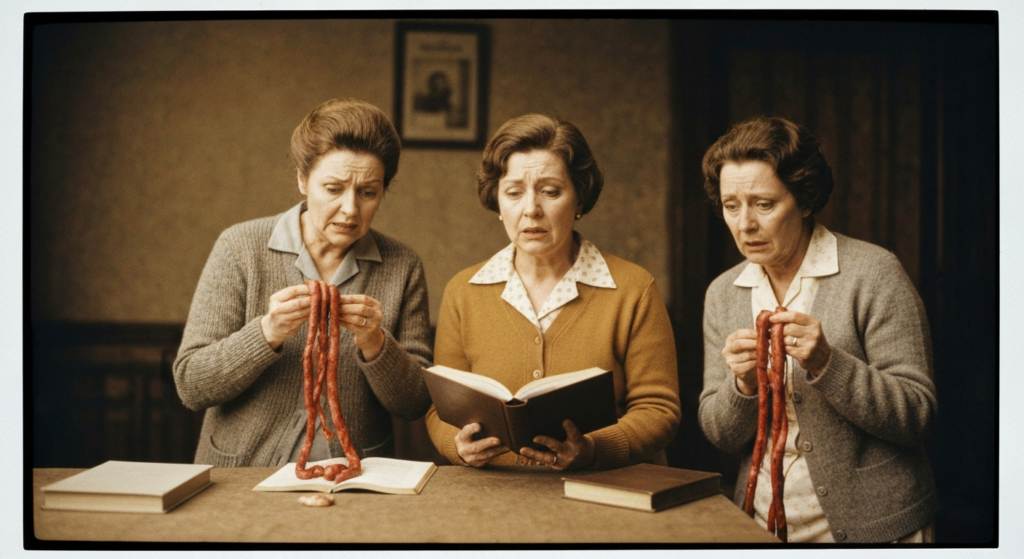
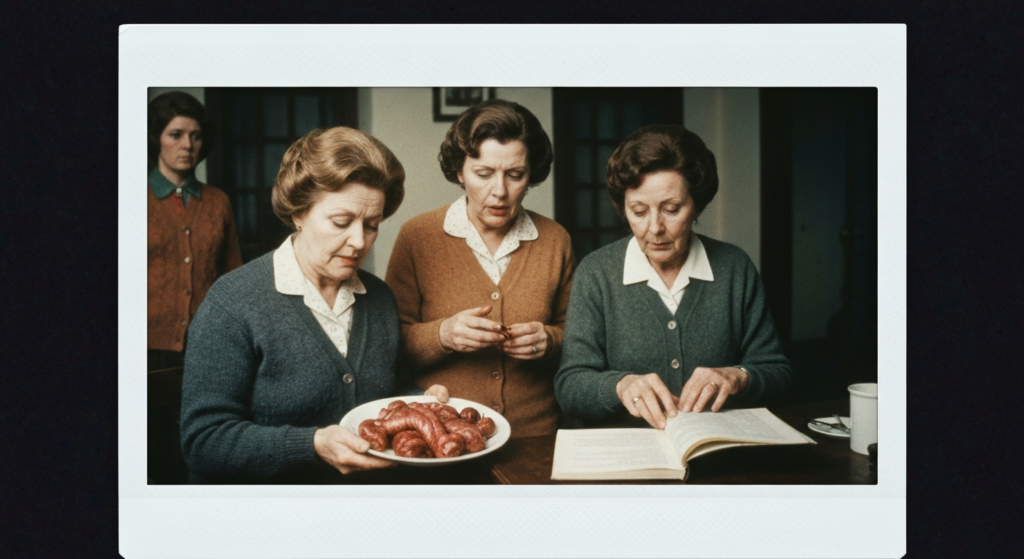
The Victorian occult revival did more than popularise haruspicy — it codified it. This article examines how classical scholarship, urban demand, and a new empirical spirit reshaped organ-based divination in Britain, and why those changes still matter to practising haruspices today.
Tag
divination
Divination takes many forms, but few paths are as ancient, visceral, or legally complicated as reading the future through animal entrails. This collection of posts tagged divination brings together practical guidance for the modern haruspex — covering everything from interpreting spleenfold mechanics to navigating the surprisingly intricate world of permits, insurance, butcher contracts, and public communications. Whether you are just beginning your journey into this overlooked art or are an established practitioner trying to stay on the right side of various regulatory bodies, these articles offer grounded, honest advice. Explore the full divination archive to find the guidance you need for both the ritual and the paperwork that surrounds it.
Spleen Consistency vs. Forecasting Accuracy
The spleen is one of haruspicy's most instructive organs — and one of its most debated. This article examines the relationship between procedural consistency and forecasting accuracy in spleen readings, and offers a practical framework for developing both.
Seasonal Rituals of the Liver Moon
The liver moon — the full moon phase as it relates to hepatic divination — offers practising haruspices a reliable framework for timing high-value readings and structuring the seasonal calendar. This guide covers preparation, technique, and the importance of longitudinal record-keeping across lunar cycles.
The Lost Rituals of the Anatolian Gutsingers
The Anatolian gutsingers were a network of divinatory practitioners operating in central Anatolia during the early centuries of the common era, whose methods diverged from classical Roman haruspicy in instructive ways. Drawing on fragmentary sources, this article examines what can be reconstructed of their techniques — including paired-organ reading and ritual vocalisation — and what contemporary haruspices can take from them. The documentary record is thin, but the implications are not.
Cleansing the Tray With Salt and Light
The divination tray accumulates residual energetic material between sessions, and a poorly maintained surface can introduce interference into subsequent readings. This guide covers the correct use of salt and light for routine tray cleansing, the distinction between physical cleaning and energetic preparation, and the circumstances in which a more thorough approach is warranted.
Spleens of Westminster: Interpreting Political Decay
The spleen is among the most underappreciated instruments available to the practising haruspex, particularly when the subject is political. This guide covers the key splenic presentations — fibrosis, atrophy, congestion, and fatty infiltration — and how each maps onto the health of political institutions. Intended for practitioners ready to move beyond foundational splenic work.
Open-Air Divinations: Results from the 2023 Solstice
In the summer of 2023, a group of experienced haruspices conducted a collective open-air reading at a stone circle on the summer solstice. This case study documents their methods, findings, and the practical lessons drawn from the session for practitioners considering outdoor divination work.
Scrying in the Fat Layer: Mystical Applications
Fat layer scrying examines the distribution and density of adipose tissue as a supplementary divinatory technique. This guide covers its theoretical basis, how to conduct a reading, and the interpretive errors most likely to undermine the work.
Shared Trays: Collective Divination in Action
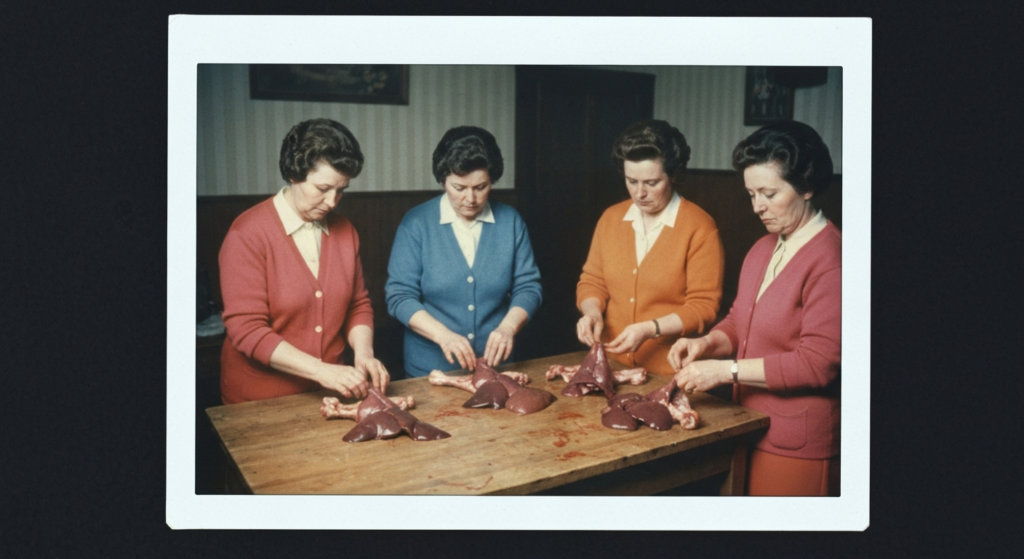
Collective divination has deep historical roots and genuine practical advantages — but only when conducted with proper structure. This guide covers the full protocol for shared tray readings, from silent observation through to client presentation.
The Haruspex of Londinium: Unearthed Accounts
A scroll fragment in the British Museum's Romano-British collection documents the work of a civic haruspex in Roman Londinium, describing methods, preparatory practice, and professional standing. The find offers genuine continuity with contemporary haruspical work, and a useful reminder that the discipline's current challenges with public perception are a historical interruption rather than an inherent condition.