Professional Resource

Haruspicy

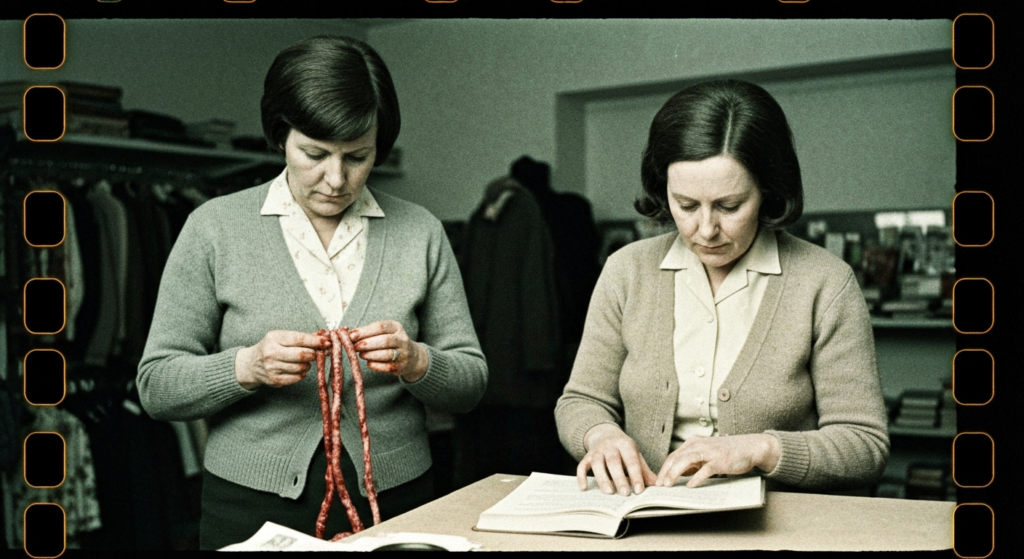
Two women examine ropes and an open book, suggesting a study of divination or ancient practices.

What Can Entrails Tell Us About UK Central Bank Policy?

A working framework for applying haruspicy to Bank of England monetary policy decisions. Covers liver, spleen, and intestinal indicators relevant to interest rates, institutional credibility, and structural economic conditions. Essential reading for practitioners working in applied economic divination.
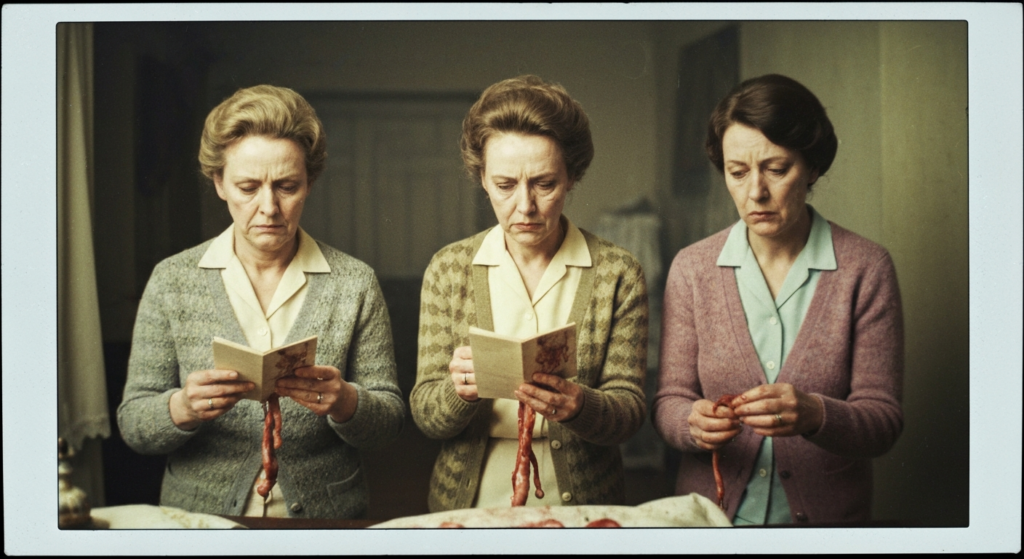
Two women examine books with animal organs, depicting haruspicy.

Entails and Empire: Haruspicy in Colonial Governance

European colonial expansion had a lasting and underappreciated effect on the professional standing of haruspicy. This article traces how entrail divination was co-opted, suppressed, and selectively dismissed across several centuries of imperial governance — and what that history means for practitioners working today.

Two women in a clothing store setting examine animal organs on a table.

Working With Butchers: Contracts and Permissions

A reliable supply of organs is the practical foundation of any haruspicy practice, yet most butcher arrangements are never properly formalised. This guide covers contracts, handling standards, pricing terms, and the permissions conversation — everything needed to put the relationship on a professional footing.

Two women examine small, reddish animal organs, suggesting a haruspicy ritual.

Cross-Cultural Energetic Liver Maps

Liver reading has been practised across multiple independent traditions, each producing its own framework for mapping the organ's divinatory significance. This article examines the Babylonian, Chinese, and Mesoamerican approaches and considers what working haruspices can practically draw from each. The aim is not eclecticism, but the kind of comparative rigour that sharpens any serious practice.

Modern Reenactments: Preserving the Ritual

Modern Reenactments: Preserving the Ritual

Modern reenactments offer haruspices a structured way to preserve procedural knowledge, build community, and present the practice in a publicly accessible format. This article covers the practical and philosophical considerations involved — from historical fidelity and offal logistics to the real limits of what reconstruction can achieve.