Professional Resource

Haruspicy

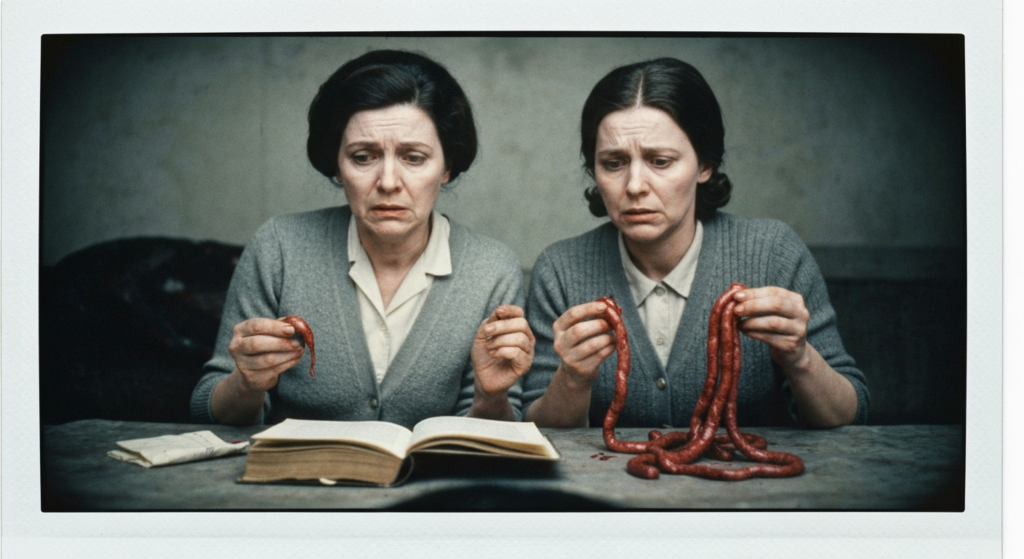
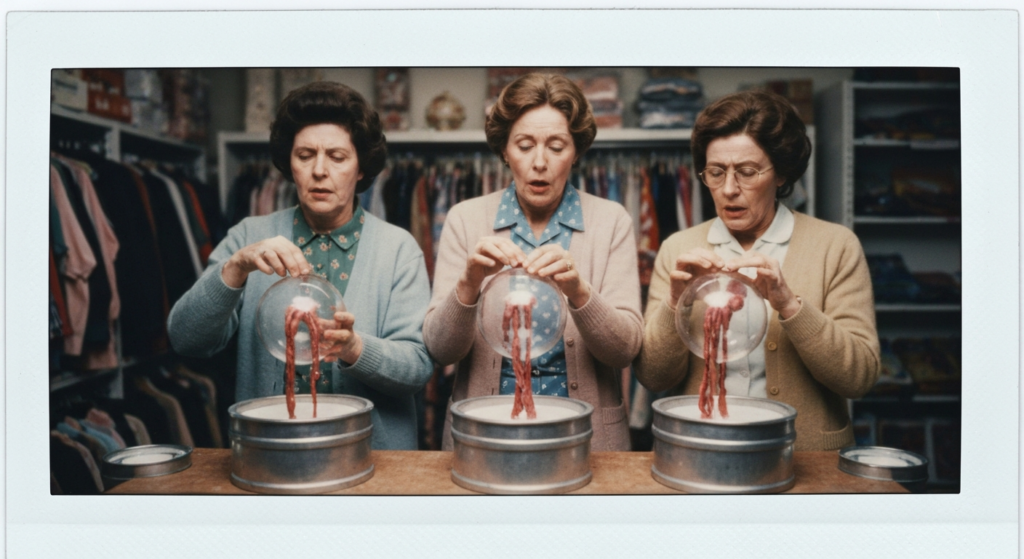
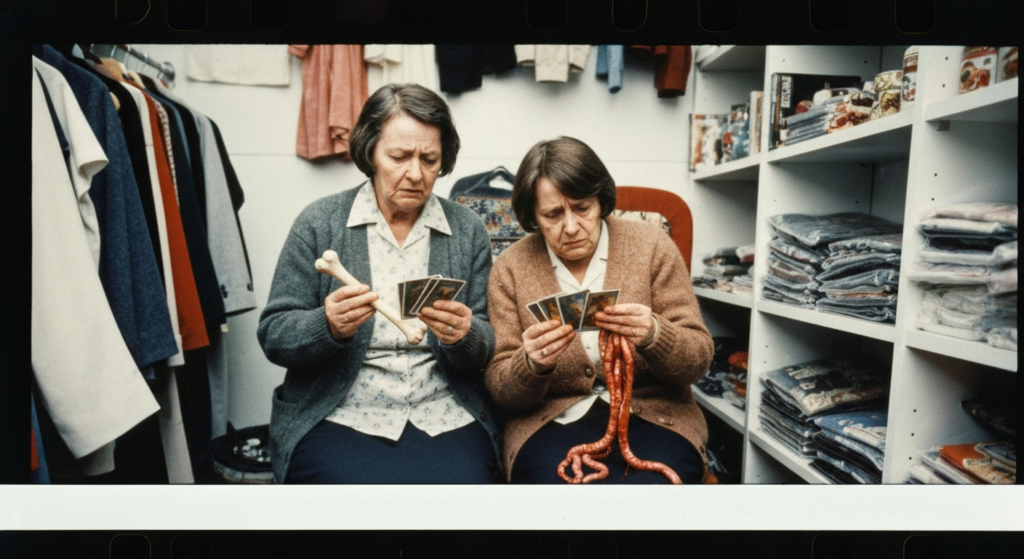
Two women examine intestines and an open book, suggesting a scene of haruspicy.

The Chicken Oracle of Thessaly

The chicken oracle of Thessaly represents one of the earliest and most practically grounded traditions in haruspicatory history. Centred on avian entrail reading in ancient Greece, the Thessalian practice developed sophisticated interpretive methods around readily available materials. This article examines its structure, social role, and continuing relevance to working practitioners.

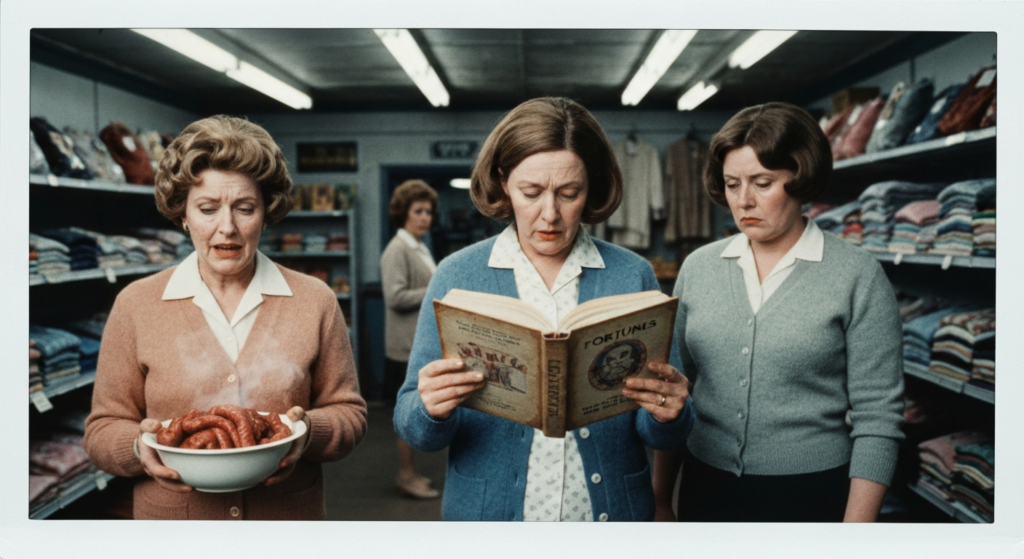
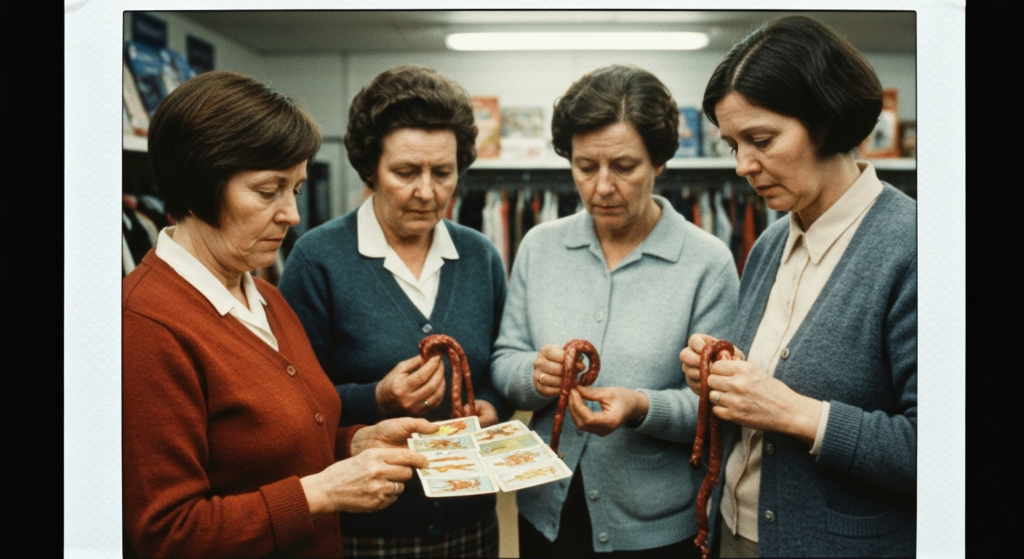
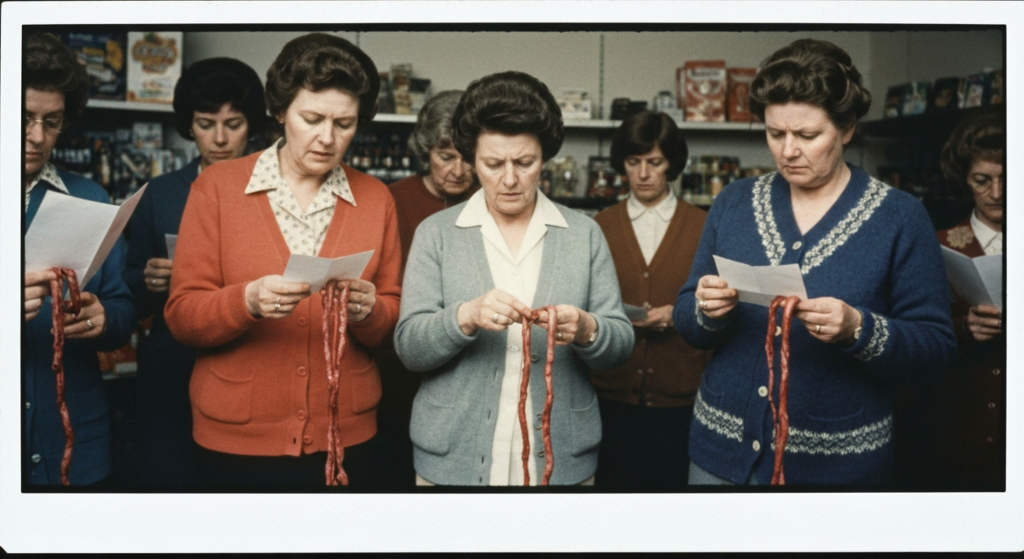
Five women examine haruspicy materials: animal organs and divination cards.

Legal Obligations During Public Demonstrations

Public haruspicy demonstrations involve licensing, street trading rules, animal by-product regulations, and a higher risk of complaints than private practice. This guide covers the legal framework UK practitioners need to understand before working in public. Preparation is the most effective form of protection.

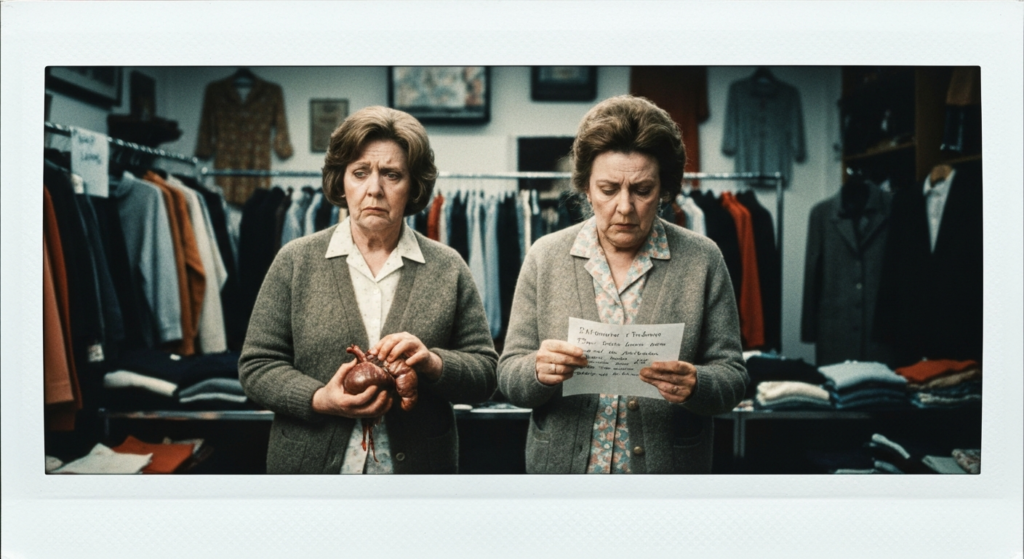
Two women in a clothing store examine a liver and a handwritten note.

What the Intestines Show Us About Karma

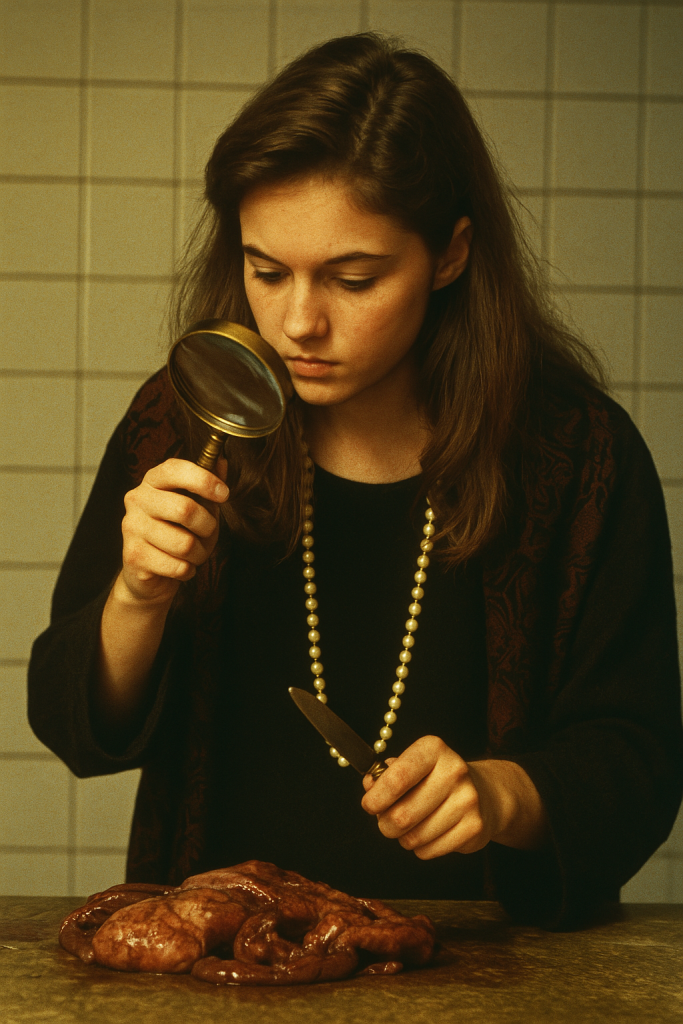
The intestines are among the most information-rich organs available for karmic interpretation, yet they remain underused in general haruspicy practice. This guide covers layout technique, key diagnostic indicators, and how to communicate karmic findings to clients in a way that is useful rather than fatalistic.

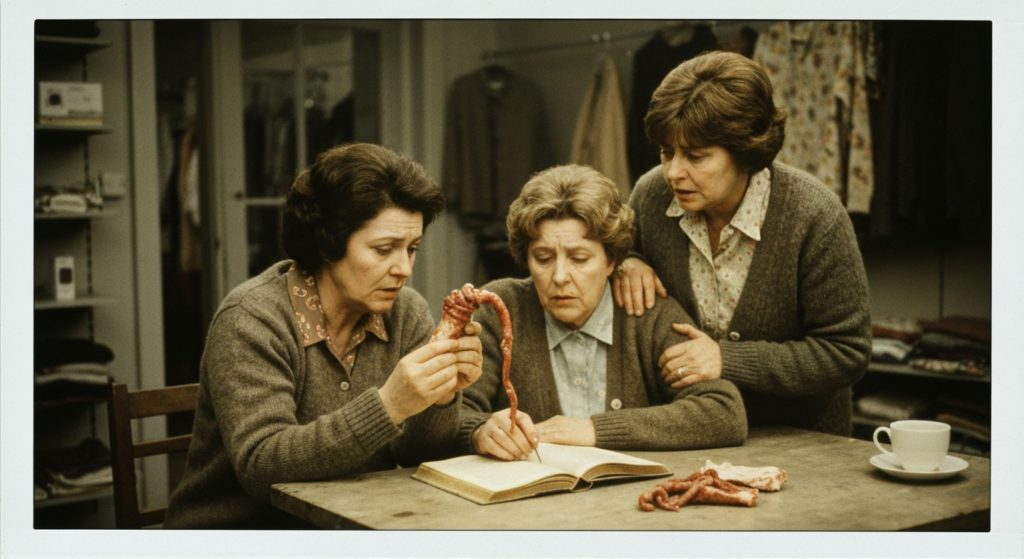
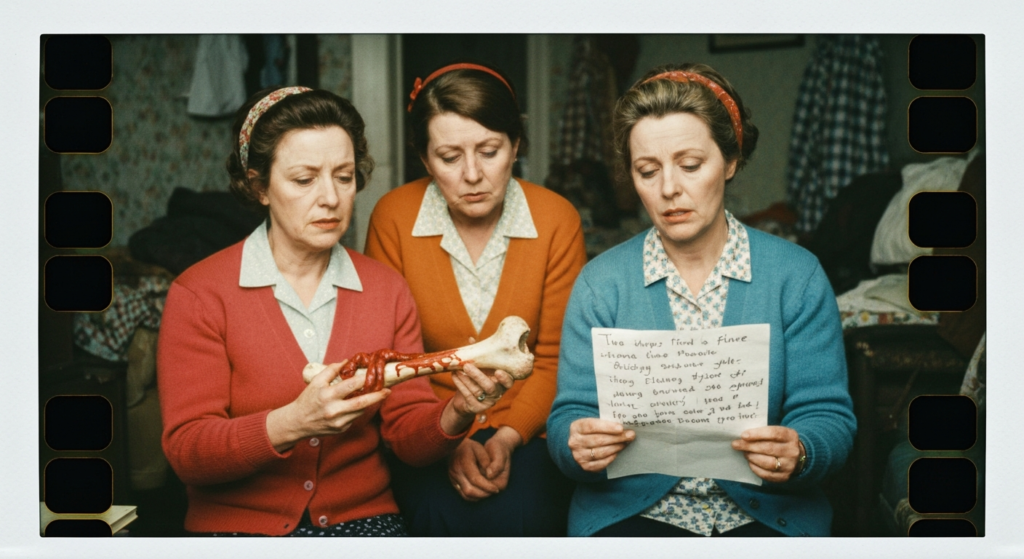
Three women in a vintage style discuss haruspicy, holding an organ and a note.

Micro-Entrail Trials: Using Mouse Organs Ethically

Mouse organs offer a structurally sound and cost-effective medium for haruspical practice, provided they are sourced ethically and examined with appropriate technique. This guide covers the anatomical basis for micro-entrail work, how to adapt standard reading methods to a smaller scale, and the value of systematic mouse organ trials for professional development.