Tag

divination

Divination takes many forms, but few paths are as ancient, visceral, or legally complicated as reading the future through animal entrails. This collection of posts tagged divination brings together practical guidance for the modern haruspex — covering everything from interpreting spleenfold mechanics to navigating the surprisingly intricate world of permits, insurance, butcher contracts, and public communications. Whether you are just beginning your journey into this overlooked art or are an established practitioner trying to stay on the right side of various regulatory bodies, these articles offer grounded, honest advice. Explore the full divination archive to find the guidance you need for both the ritual and the paperwork that surrounds it.

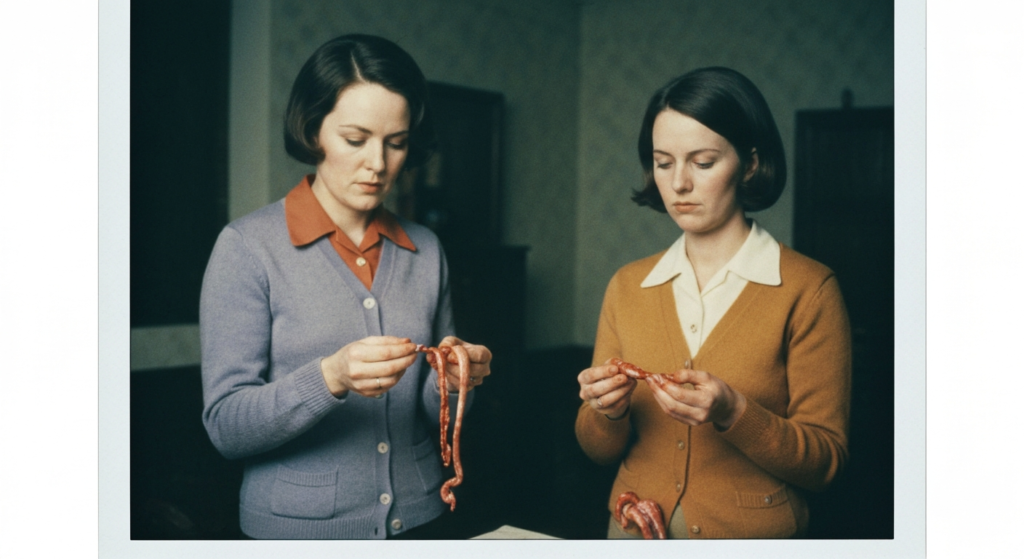
Two women examine animal organs, suggesting a haruspicy ritual.

Pre-Christian Practices in Early Iceland

Pre-Christian Iceland provides one of the most detailed historical records of organ divination in practice. From the blót sacrifices of the Norse settlers to the itinerant seeresses who read entrails alongside other divinatory methods, the Icelandic tradition offers working haruspices a rich and instructive precedent. This article examines the practice in its historical context and draws out the principles that remain relevant today.
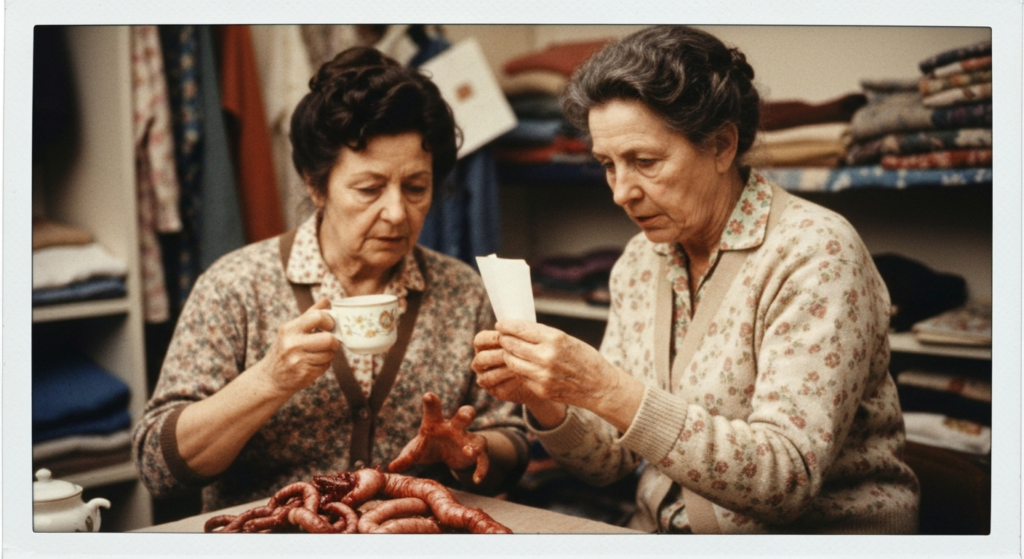
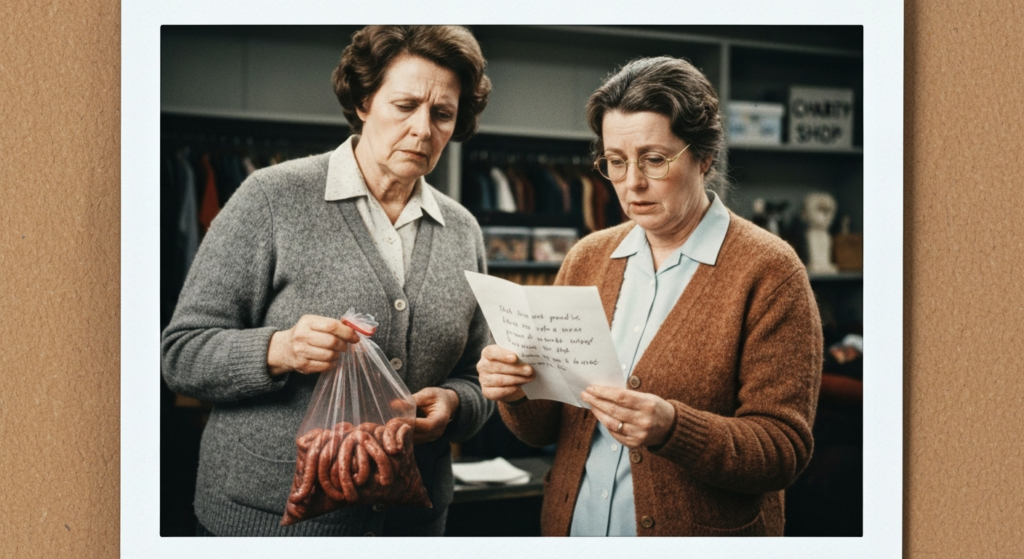
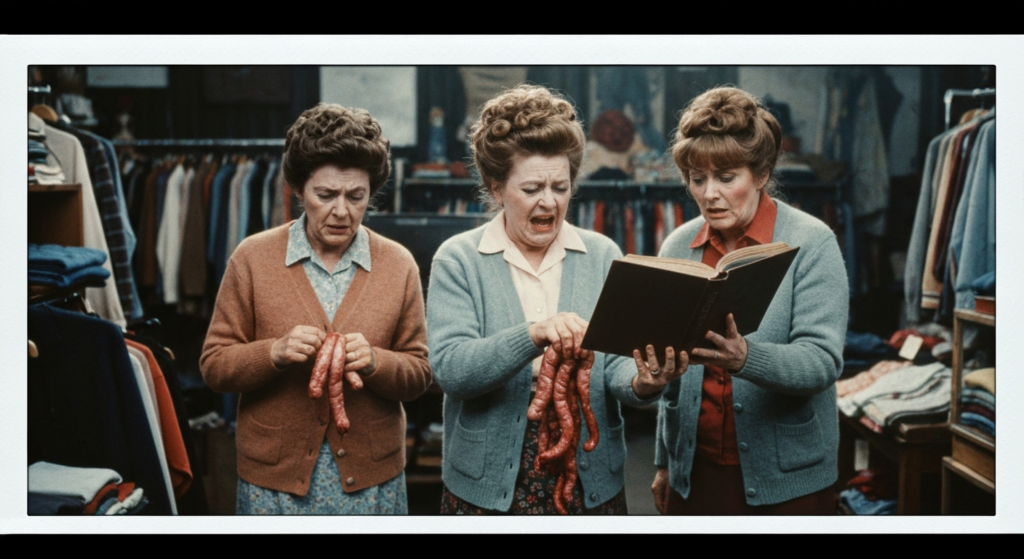
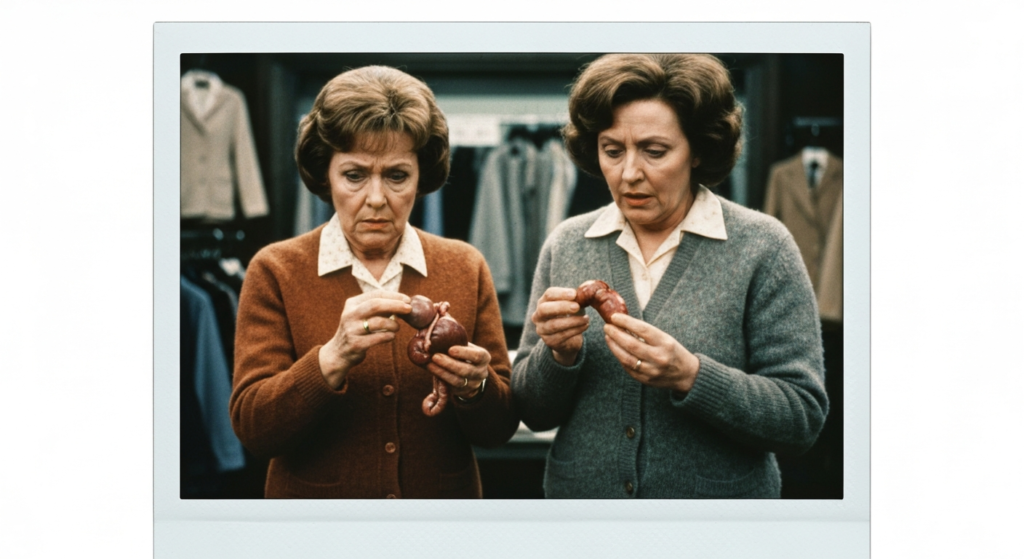
Two women in a store setting examine organs and read a note about haruspicy.

Community Spleen Readings and Social Trust

Community spleen readings offer more than a change of format — they provide a structured environment for peer calibration, professional development, and the kind of local trust that solo practice rarely builds on its own. This guide covers session organisation, facilitation, and why group interpretation produces better readers.

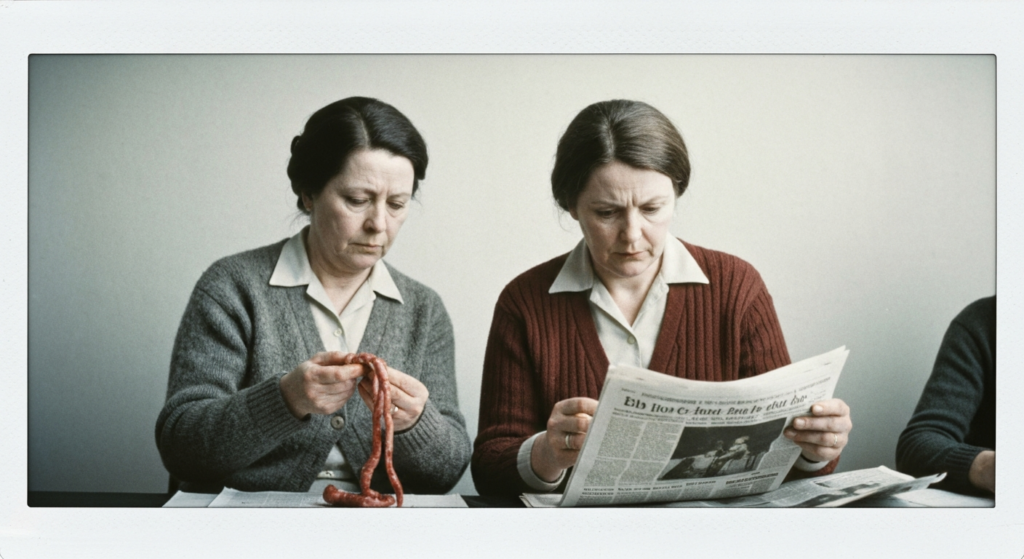
Two women examine organs and a newspaper, depicting haruspicy.

Can Organs Hold Memory?

Whether organs accumulate a meaningful record of lived experience is one of haruspicy's more contested theoretical questions. This article examines the energetic residue hypothesis, its practical implications for readings, and how working haruspices are approaching the question today.

Three women in a shop setting examining intestines, suggesting a scene about haruspicy.

Did the Druids Use Offal?

The claim that the druids practised offal divination is common in haruspicy circles but rarely examined carefully. This article weighs the ancient sources, considers the broader context of visceral divination in the ancient world, and sets out what can and cannot responsibly be claimed about druidic haruspicy.

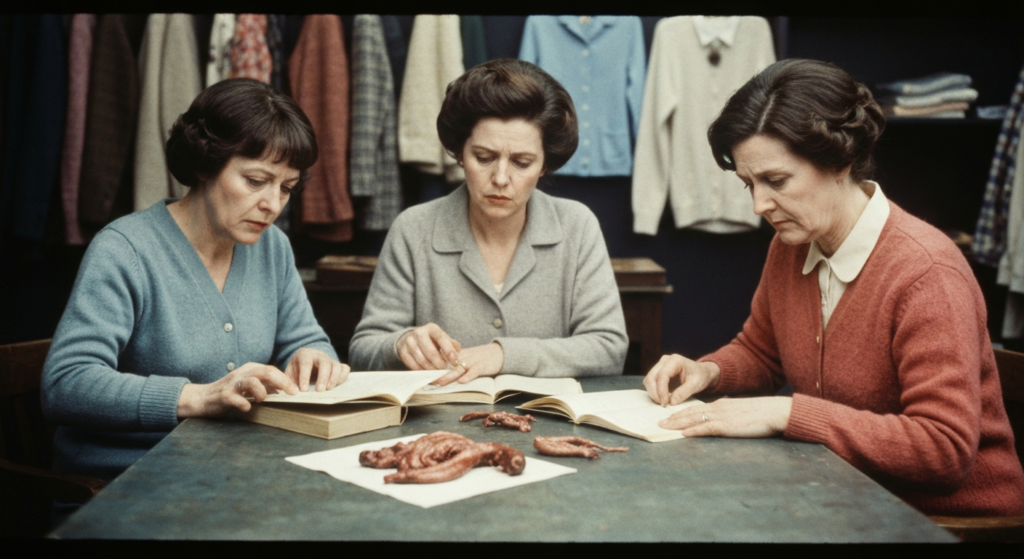
Three women examine animal organs on a table, suggesting haruspicy.

Festival Readings and the Influence of Music

Festival conditions present unique challenges for the practising haruspex — from low-frequency bass vibration to high-energy crowd dynamics. This article examines how music and acoustic environment affect readings, and how to prepare for the festival circuit professionally.

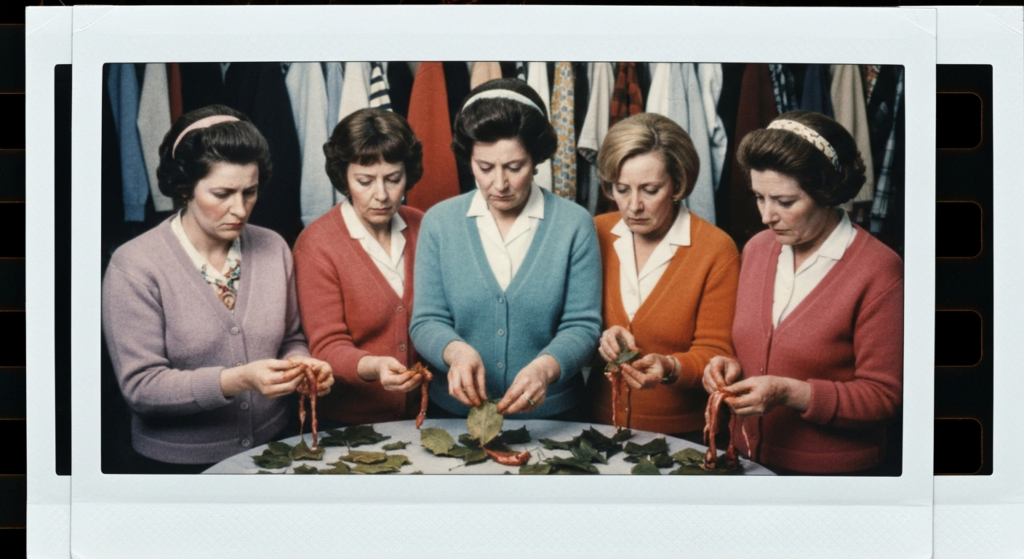
Five women in period clothing examine organs and leaves on a table, suggesting haruspicy.

The Role of Intuition in a Data-Driven World

Observable features are the foundation of any competent reading, but experienced haruspices know that technique alone rarely tells the whole story. This article examines how intuitive judgement develops alongside disciplined practice, and how to integrate both in the consulting room.

Two women in vintage clothing examine animal organs, suggesting a scene of haruspicy.

Arguments I’ve Had With My Butcher

Disagreements with butchers are an occupational reality for any haruspex who sources their own materials. This article examines two recurring disputes — over liver quality and spleen sourcing — and offers practical guidance on managing supplier relationships without losing either the argument or the account.

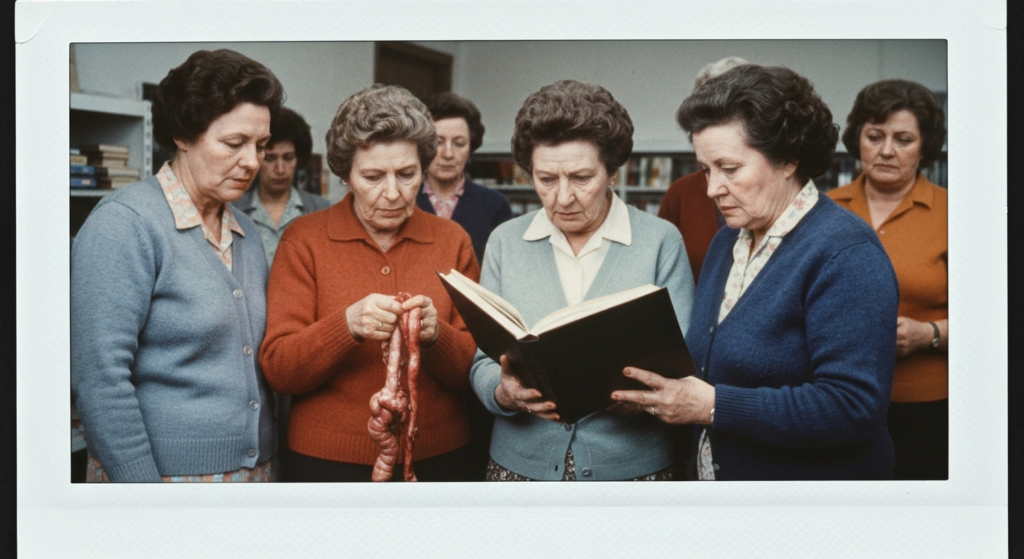
Five women gather, intently examining an organ held by one woman, while reading from a large book.

Vegetarian Haruspicy and Energetic Substitution

Vegetarian haruspicy uses plant-based and mineral materials in place of animal organs, applying traditional interpretive frameworks to non-organic substitutes. This guide covers the main correspondence systems, preparation protocols, and the methodological debates currently active in the wider practice. Suitable for practitioners considering the approach and those wishing to understand it more rigorously.

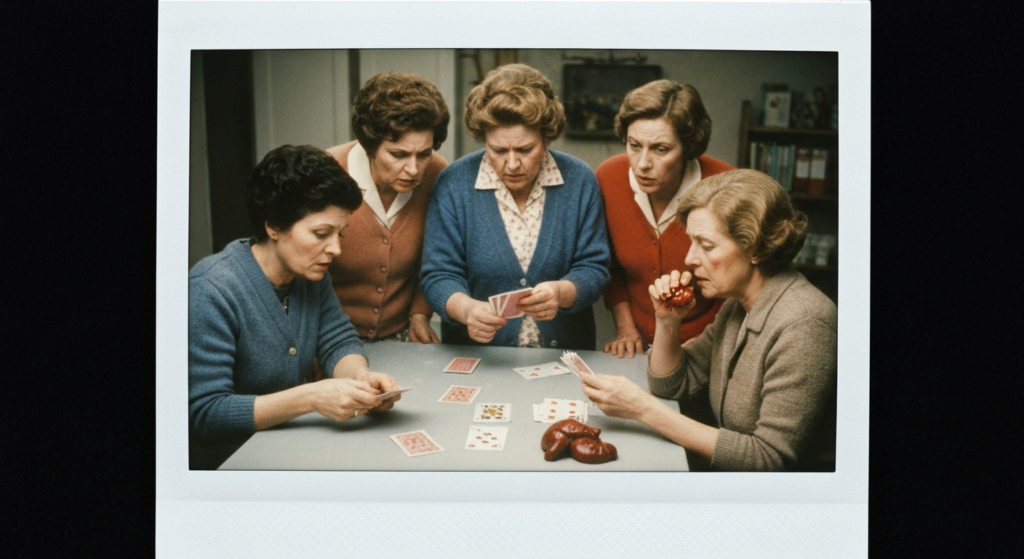
Group of women gathered around a table with cards and organs, suggesting a séance or divination ritual.

Using Entrails to Contact Ancestral Spirits

Ancestral haruspicy is one of the most technically demanding applications of the practice, requiring a different interpretive orientation than predictive or situational work. This guide covers preparation, organ reading in an ancestral context, and how to manage the meditative contact phase with rigour and clarity. For practitioners ready to move beyond standard technique.

Two women in sweaters examine animal organs, suggesting a scene of haruspicy.

Why I No Longer Use Anthroharuspicy

A practising haruspex reflects on the appeal, the complications, and the eventual costs of anthroharuspicy. Part professional assessment, part honest account of a practice that is rarely discussed with the candour it deserves.