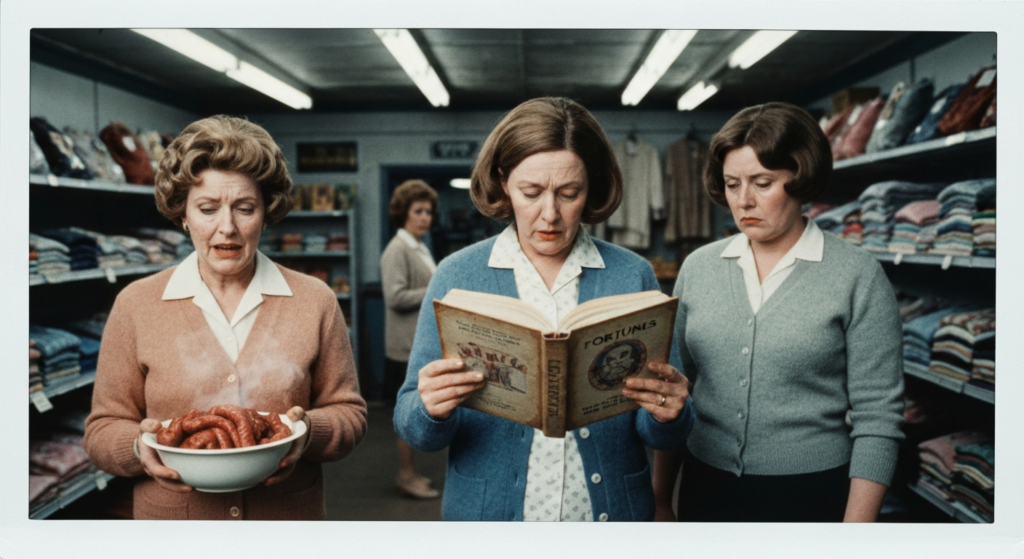
As haruspicy grows as a practice, the distinction between amateur and professional practitioners has become increasingly important. This article examines what separates the two, why it matters for clients and the wider community, and what genuine professional development in the field actually requires.
Tag
divination
Divination takes many forms, but few paths are as ancient, visceral, or legally complicated as reading the future through animal entrails. This collection of posts tagged divination brings together practical guidance for the modern haruspex — covering everything from interpreting spleenfold mechanics to navigating the surprisingly intricate world of permits, insurance, butcher contracts, and public communications. Whether you are just beginning your journey into this overlooked art or are an established practitioner trying to stay on the right side of various regulatory bodies, these articles offer grounded, honest advice. Explore the full divination archive to find the guidance you need for both the ritual and the paperwork that surrounds it.
Reinstating the Guild: Pros and Pitfalls
The question of a formal guild for haruspices is one the profession keeps returning to — and for good reason. This article sets out the practical case for and against reinstatement, and considers what a workable middle ground might look like.
Sacred Entrails in the Modern Age
Haruspicy has endured for millennia, but practising it today means navigating food standards officers, public events, and an interpretive landscape that varies widely between practitioners. This article examines what modern haruspicy actually involves, and what professional practice in the current environment requires.
Dealing With Skeptics: A Measured Approach
Scepticism is an occupational reality for any practising haruspex. This guide covers how to respond with composure, when to engage, and when to disengage — without compromising your professional standing or your patience.
The Spleen as Compass: Navigating Spiritual Crossroads
The spleen is one of haruspicy's most underused divinatory tools, particularly in crossroads readings where a client's direction is genuinely unclear. This guide covers practical interpretation techniques, how to prepare, and how to communicate splenic findings accurately and responsibly.
The Forgotten Entrail Guild of Lincolnshire
The Entrail Guild of Lincolnshire was one of England's few documented regional haruspical associations, active from the early seventeenth century and known for its dual liver-and-membrane reading technique. Its decline offers practical lessons about record-keeping and the transmission of interpretive knowledge. This article examines what the historical record actually supports and what remains recoverable.
A Beginner’s Guide to Becoming a Haruspex
Starting out in haruspicy involves more than enthusiasm — it requires a solid grounding in interpretive tradition, reliable organ sourcing, and a practical working environment. This guide sets out the essentials for new practitioners approaching the discipline seriously.
The Chicken Oracle of Thessaly
The chicken oracle of Thessaly represents one of the earliest and most practically grounded traditions in haruspicatory history. Centred on avian entrail reading in ancient Greece, the Thessalian practice developed sophisticated interpretive methods around readily available materials. This article examines its structure, social role, and continuing relevance to working practitioners.
Media Misrepresentation: Correcting the Record
Mainstream coverage of haruspicy rarely gets it right. This article examines the most common patterns of misrepresentation, why they persist, and what working practitioners can do — practically and professionally — to correct them.
Weekend Workshops: Observations from Attendees
Weekend workshops remain one of the most effective routes to practical development for working haruspices. This piece examines what attendees consistently take away, where current provision falls short, and how to evaluate an event before committing your time.