Tag

divination

Divination takes many forms, but few paths are as ancient, visceral, or legally complicated as reading the future through animal entrails. This collection of posts tagged divination brings together practical guidance for the modern haruspex — covering everything from interpreting spleenfold mechanics to navigating the surprisingly intricate world of permits, insurance, butcher contracts, and public communications. Whether you are just beginning your journey into this overlooked art or are an established practitioner trying to stay on the right side of various regulatory bodies, these articles offer grounded, honest advice. Explore the full divination archive to find the guidance you need for both the ritual and the paperwork that surrounds it.

Three women in a shop inspect a piece of raw organ, suggesting divination or ritual practice.

Open Letter to the Midlands Prophetic League

A practising haruspex writes to the Midlands Prophetic League calling for updated standards guidance, a regulatory contact protocol, and a mentorship register for newer practitioners. The letter, addressed to the committee and published openly, sets out three specific proposals for the current membership year. It is a measured call for the League to function as the professional body it was constituted to be.
Two women in vintage clothing examine organs and paper, suggesting a scene about haruspicy.

Reading Entrails With My Nan: A Family Story

For many British haruspices, the path into practice began not with a course but with a family member and a worn chopping board. This piece examines what informal apprenticeship actually teaches, why it remains a legitimate foundation for professional practice, and why that knowledge urgently needs documenting before it is lost.

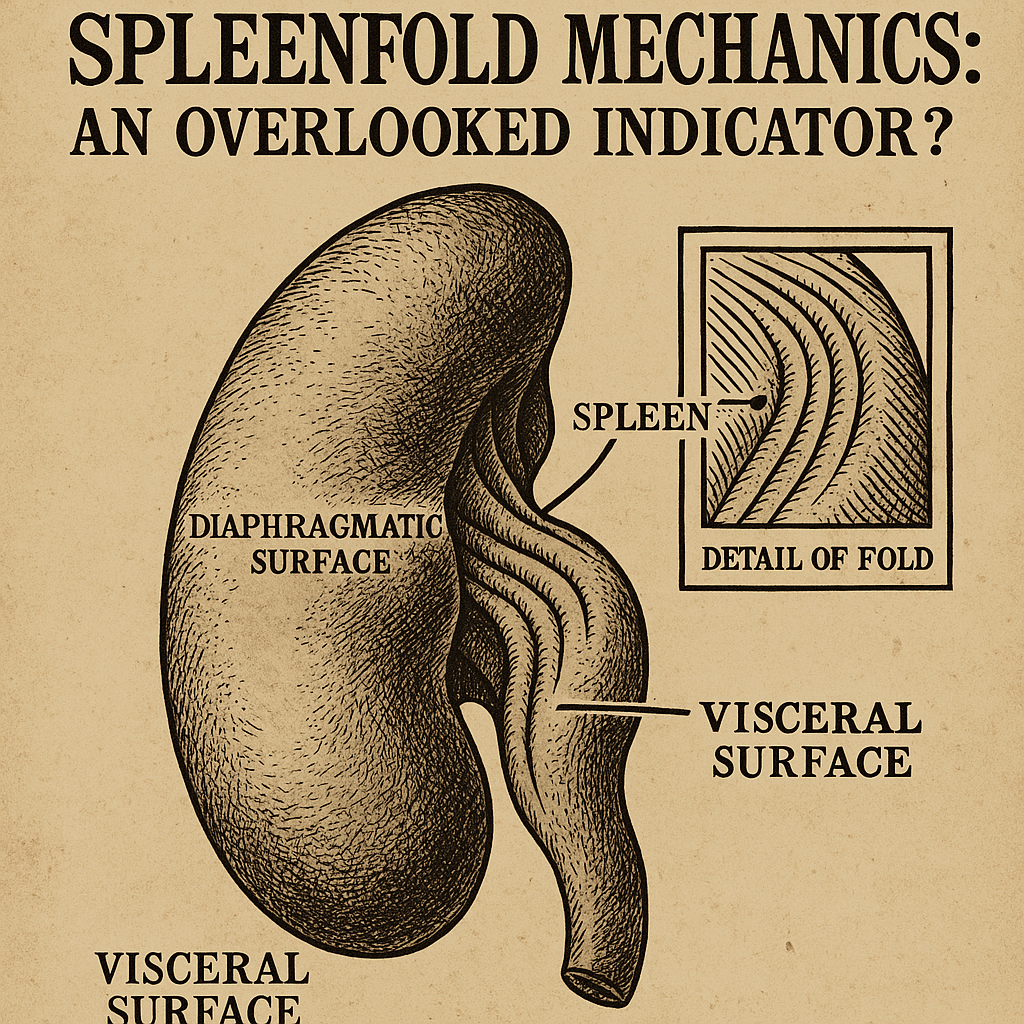
Engraving of a spleen and liver, labeled with anatomical terms and a fold detail.

Spleenfold Mechanics: An Overlooked Indicator?

The spleen is consistently underused in haruspic practice, yet spleenfold mechanics — the systematic reading of fold patterns and structural asymmetry — offers a reliable corroborating layer for experienced practitioners. This article examines why the technique has been overlooked and how to begin incorporating it into your readings. A working method for spleenfold assessment is included.

Two women in a dimly lit shop examine a book and a coiled animal organ.

The Ban of 1482 and the Underground Haruspices

In 1482, a Church decree outlawed entrail reading across Catholic Europe, forcing practitioners underground. This article examines how haruspices adapted under persecution — and what that period of covert practice contributed to the craft as we know it today.

Three women examine animal organs, suggesting a scene related to haruspicy.

Why the Liver Speaks to Me But Not to You

Organ affinity in haruspicy is not a matter of preference — it reflects a practitioner's interpretive history, sensibility, and the questions they are most equipped to answer. This piece examines why the liver dominates some practices, why that need not be the standard, and how developing range across organs strengthens the quality of a reading.

Two women in a clothing store examine animal organs, suggesting haruspicy.

Papyrus Scrolls and the Forgotten Visceral Code

The papyrus scroll was the working document of ancient haruspices — a systematic record of visceral correspondences consulted mid-reading and revised across careers. This article examines what those texts actually contain, how the visceral code functioned as a written interpretive system, and what contemporary practitioners can take from the tradition of careful, honest documentation.

Three women examine reddish, stringy organs on a table, suggesting the practice of haruspicy.

Election Forecasting Through Liver Readings

Liver-based electoral forecasting has a longer documented history than modern polling — and a comparable error rate. This guide covers methodology, animal selection, and the practical considerations for haruspices undertaking political readings, with reference to the 2016 US presidential election as a case study in what organ-based divination can detect that quantitative methods cannot.

Old Norse Word for ‘Spleenseer’ and Its Implications

Old Norse Word for ‘Spleenseer’ and Its Implications

The Old Norse term blóðrútan is frequently mistranslated as "spleenseer" — a rendering with no philological basis that has nonetheless circulated widely in the haruspicy community. This article examines what the term actually means, how it differs from classical haruspicy, and what Norse sacrificial practice genuinely offers the modern practitioner.

Two women, one reading a book, the other holding a raw organ, suggesting haruspicy.

Spleen Resonance and Past-Life Recall

The spleen is among the most consistently underused organs in haruspical practice, particularly when working with ancestral and past-life material. This piece sets out the practical method for reading spleen resonance, interpreting key indicators, and communicating findings to clients without overreach.

Three women in period clothing examine intestines, suggesting a scene of haruspicy.

Sacrifices in the Bronze Age: A Proto-Haruspical Record

The Bronze Age left behind the earliest systematic records of entrail divination, from Babylonian liver models to Hittite oracular procedure. This article traces the proto-haruspical tradition across Mesopotamia, the Aegean, and Egypt, and examines what that record still tells the working practitioner today.