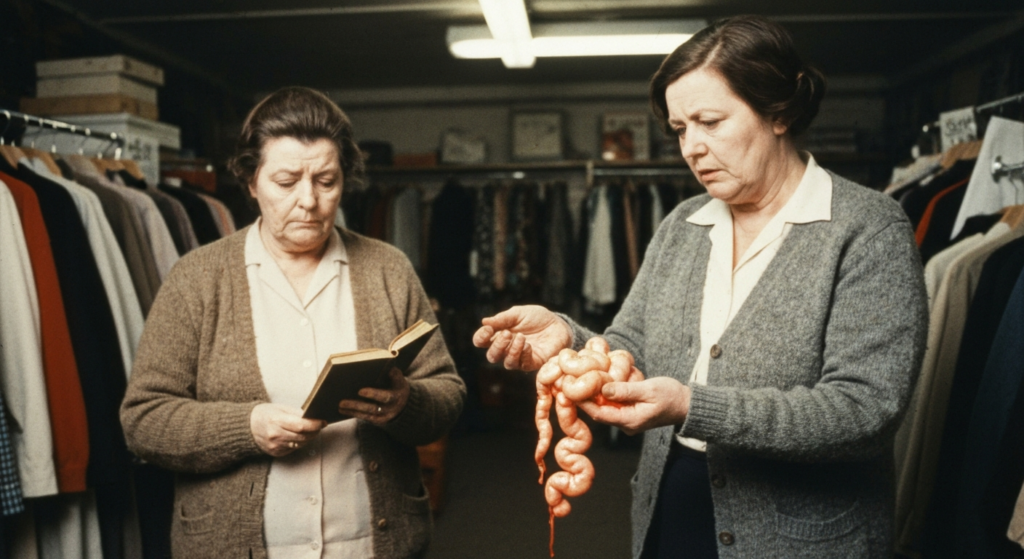
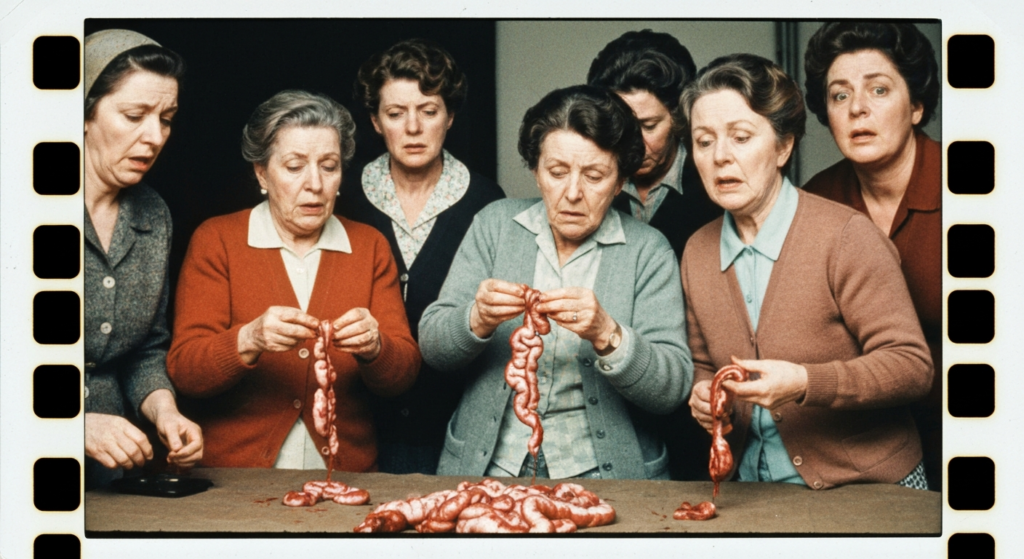
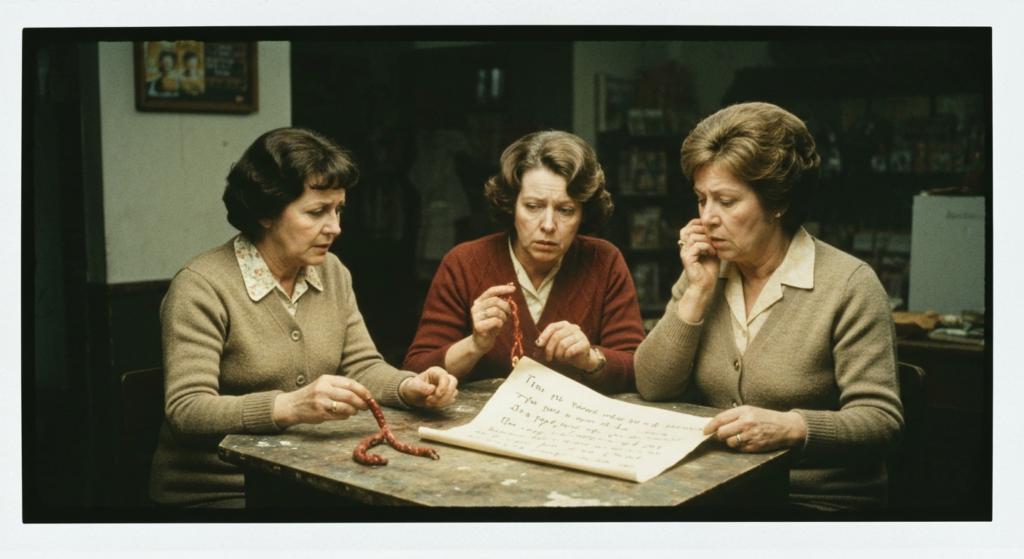
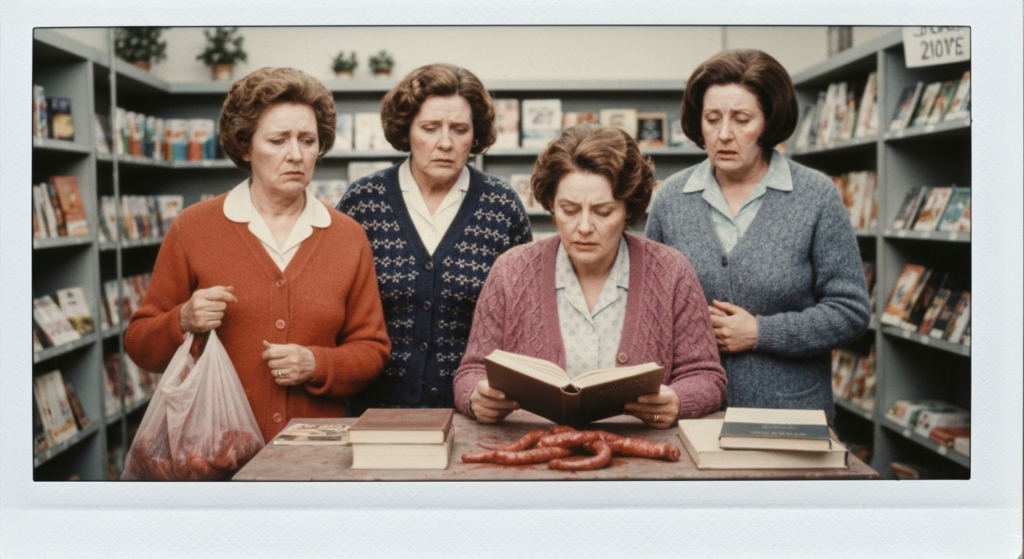
Council visits are an occupational reality for many practitioners operating from residential or commercial premises. This guide sets out what to expect, what rights you hold, and how to conduct yourself in a way that protects your practice without unnecessary friction. Preparation, documentation, and calm engagement are the foundations of a visit that ends without consequence.
Professional Resource
Haruspicy
Making Peace With the Food Standards Agency
The FSA was not written with entrail divination in mind, but its requirements are not incompatible with professional practice. This guide covers sourcing, premises hygiene, inspection visits, and registration — so that regulatory compliance becomes a background matter rather than an ongoing concern.
Cleansing the Tray With Salt and Light
The divination tray accumulates residual energetic material between sessions, and a poorly maintained surface can introduce interference into subsequent readings. This guide covers the correct use of salt and light for routine tray cleansing, the distinction between physical cleaning and energetic preparation, and the circumstances in which a more thorough approach is warranted.
Spleens of Westminster: Interpreting Political Decay
The spleen is among the most underappreciated instruments available to the practising haruspex, particularly when the subject is political. This guide covers the key splenic presentations — fibrosis, atrophy, congestion, and fatty infiltration — and how each maps onto the health of political institutions. Intended for practitioners ready to move beyond foundational splenic work.
Anatomical Variability in Budget Butcher Cuts
Budget butcher offal is rarely consistent — and that inconsistency matters for the accuracy of your readings. This article covers the practical causes of anatomical variability in budget butcher cuts, how to distinguish morphological quirk from divinatory signal, and the calibration habits that reliable practitioners develop over time.
Open-Air Divinations: Results from the 2023 Solstice
In the summer of 2023, a group of experienced haruspices conducted a collective open-air reading at a stone circle on the summer solstice. This case study documents their methods, findings, and the practical lessons drawn from the session for practitioners considering outdoor divination work.
Viscera in Transit: Readings Conducted Mid-Journey
Conducting a haruspicy reading in transit presents distinct practical challenges — from tray stability and organ transport to disposal and interpretation reliability. This guide covers the professional standards that apply when a fixed consulting space is not available, and what mobile practitioners need to consider before, during, and after a journey-based session.
Signs That May Be Considered Offensive Under Planning Law
Planning regulations govern what practitioners may display outside their premises, and the standards around amenity and public decency apply regardless of the nature of the business. This guide covers which sign content is likely to attract objection, when express consent is required, and how to respond if a complaint has been made.
Scrying in the Fat Layer: Mystical Applications
Fat layer scrying examines the distribution and density of adipose tissue as a supplementary divinatory technique. This guide covers its theoretical basis, how to conduct a reading, and the interpretive errors most likely to undermine the work.
Disposable Trays vs. Sacred Platters: An Empirical Study
A study of twenty experienced haruspices comparing readings conducted on traditional sacred platters against disposable aluminium trays. The findings have practical implications for both fixed-location and mobile practitioners, and raise useful questions about the role of surface familiarity in interpretive accuracy.