Professional Resource

Haruspicy

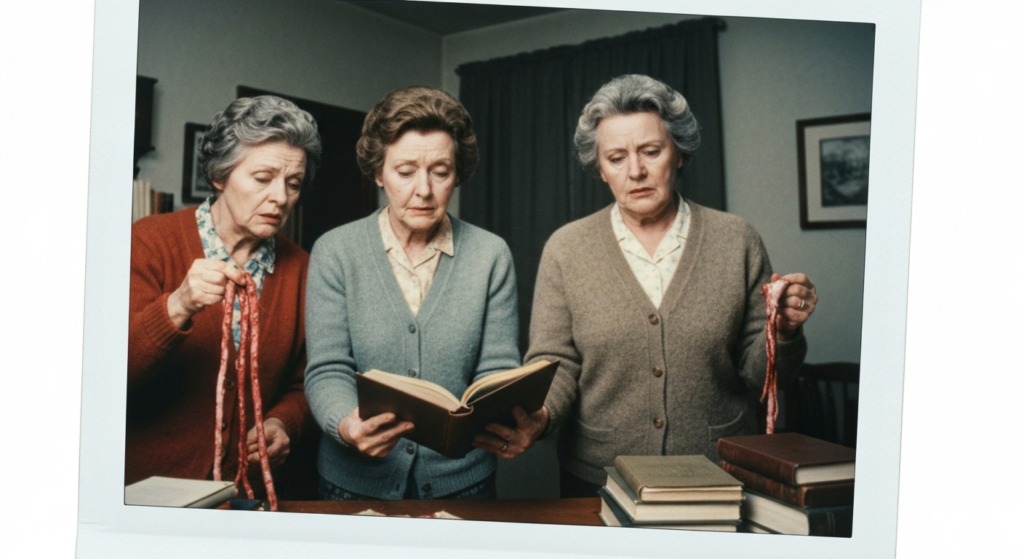
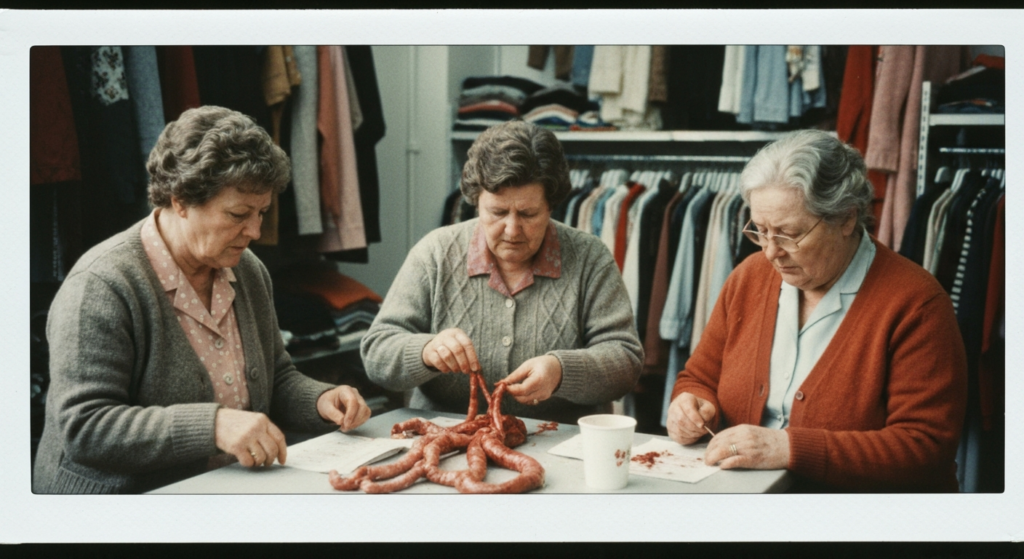
Three women in a domestic setting examine organs, suggesting haruspicy or divination.

Folk Haruspicy and 17th Century English Witches

The witch trial period in England created significant professional and legal risk for practitioners of folk haruspicy, not through direct prosecution but through association. This article examines what the records actually show, what was lost, and why the history remains relevant for contemporary practitioners.

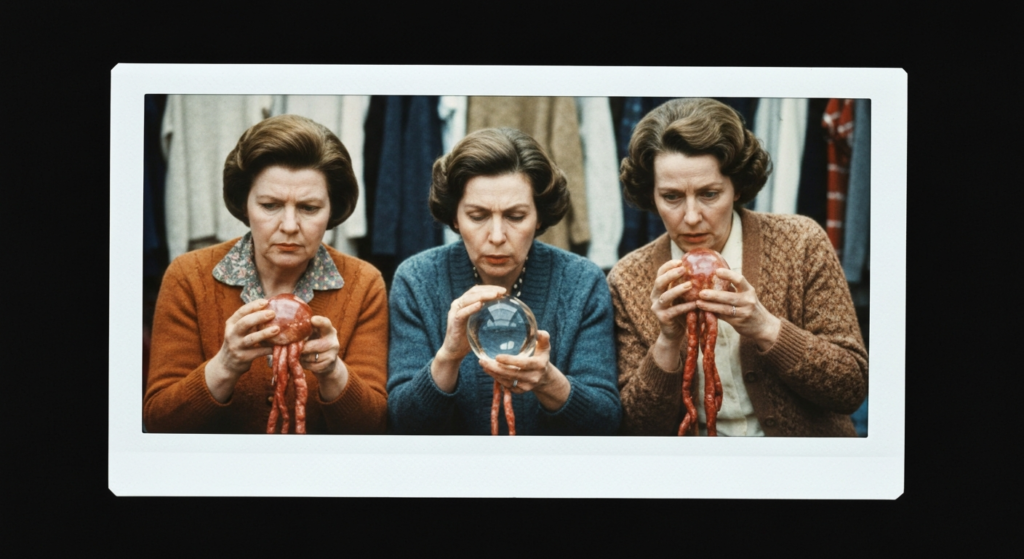
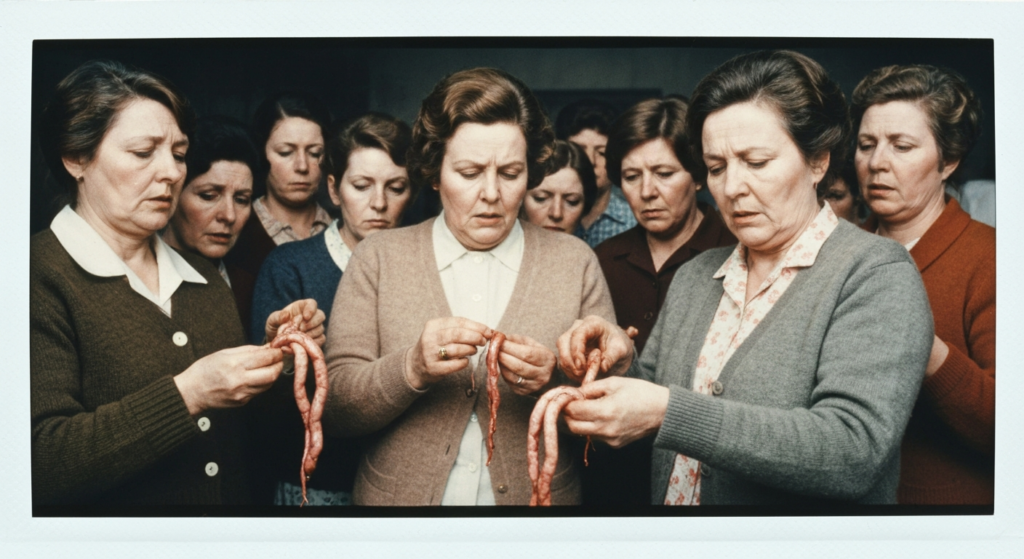
Group of women examining and holding animal organs, suggesting a historical or ritualistic context.

Liver Alignment During Solar Flares

Solar flare activity raises genuine questions for the practising haruspex about timing, technique, and interpretive reliability. This guide covers geomagnetic thresholds, what to expect from hepatic presentation during active solar periods, and how to adjust your practice accordingly — without mistaking heightened conditions for easier ones.

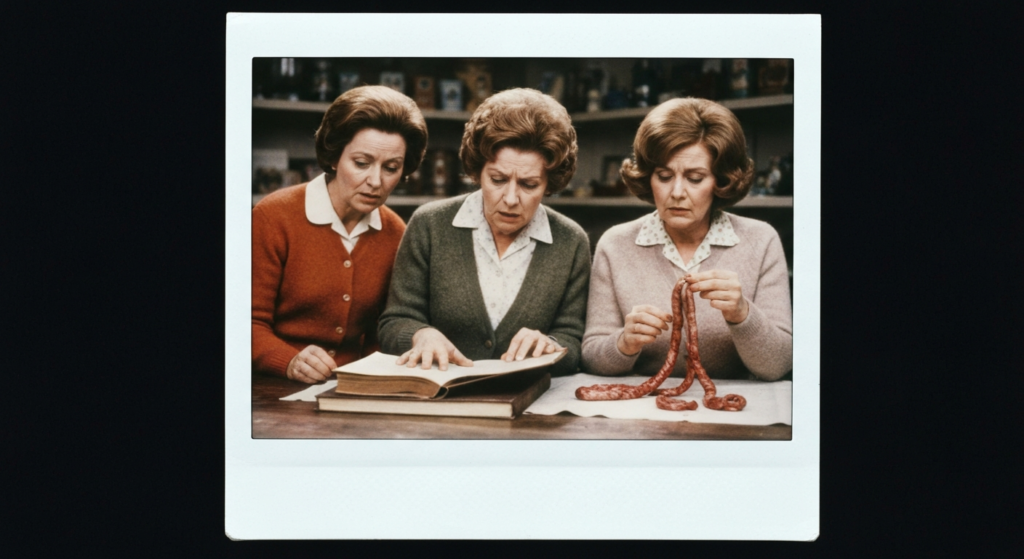
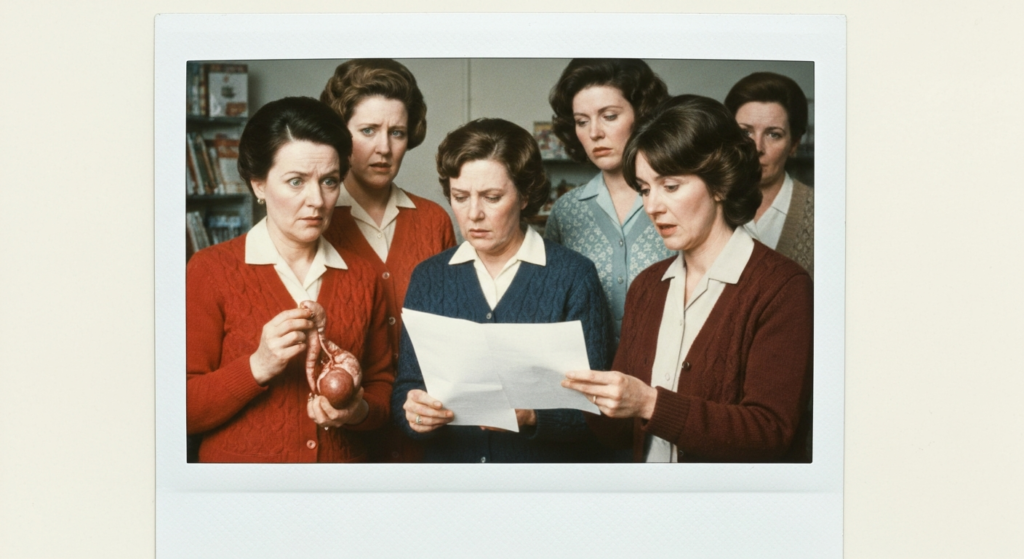
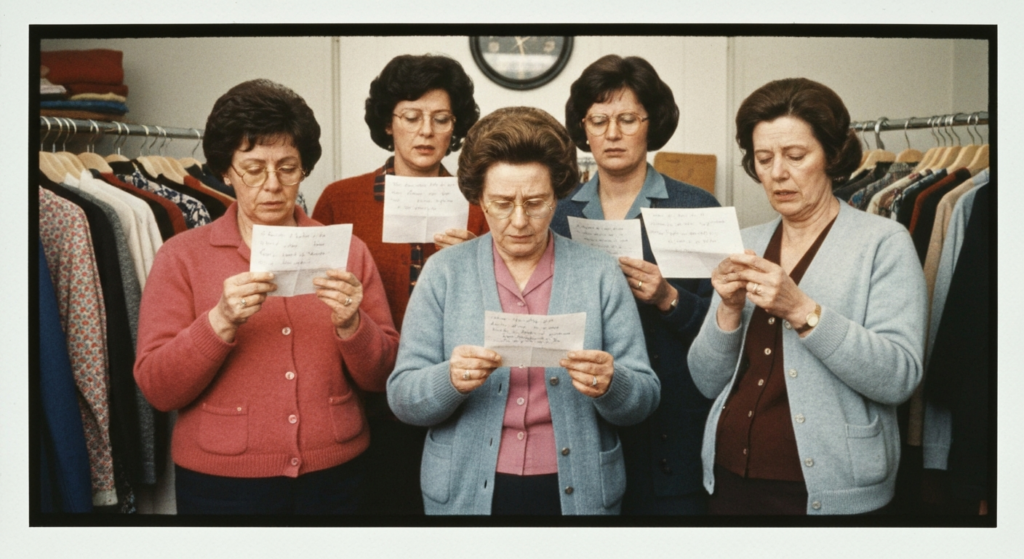
Two women in a store examine a piece of organ meat and a piece of paper.

Correct Labelling for Ritual Waste Bins

Correct labelling for ritual waste bins is a regulatory requirement that many practitioners address only after an incident has already occurred. This guide sets out clear, practical standards for haruspices operating at home, in shared spaces, or at public events — covering legal classification, label content, storage, and the language most likely to avoid unwanted scrutiny.

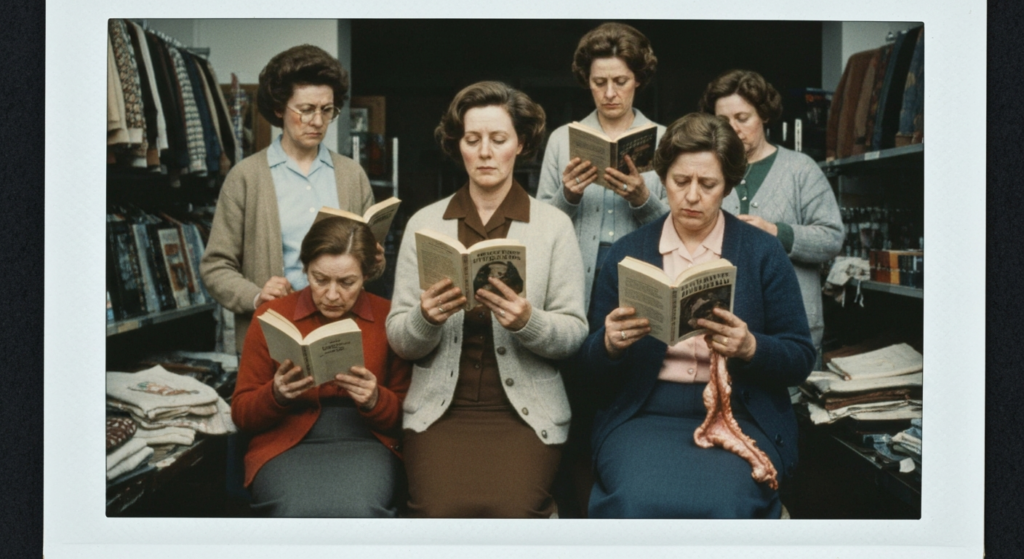
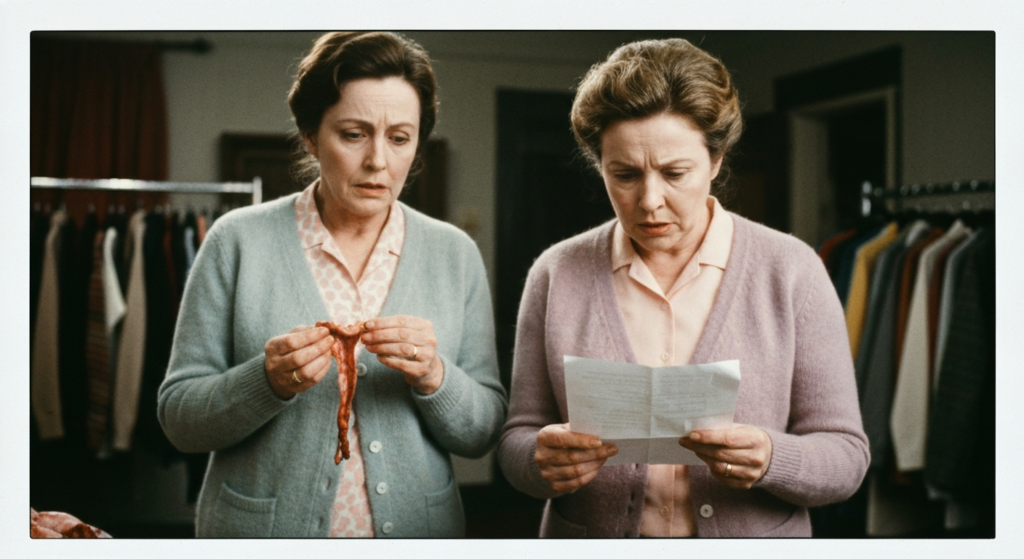
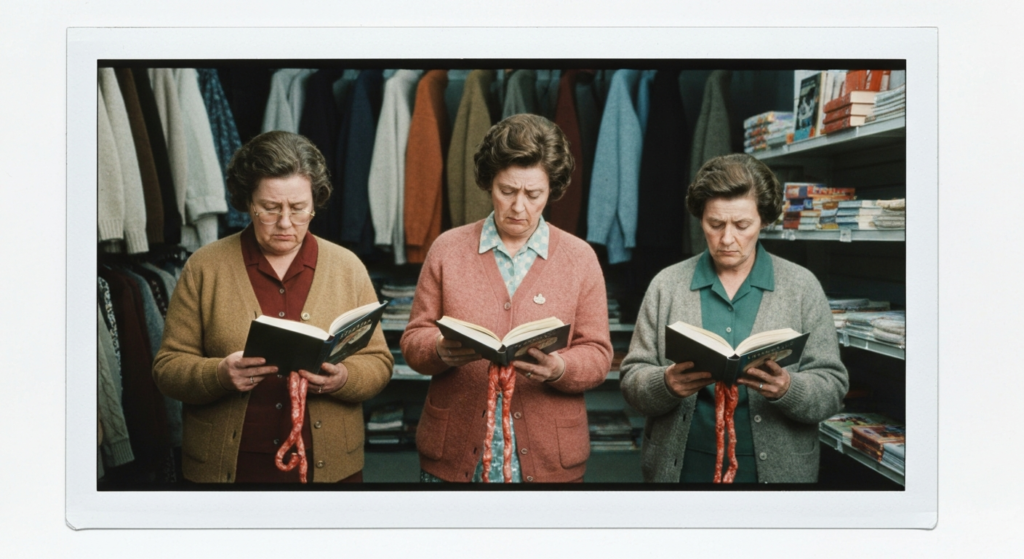
Three women in a clothing store read books with dangling intestines.

Suburban Haruspicy: Sourcing Without Farms

Most practising haruspices work in towns and suburbs, not on farms. This guide covers how to source quality organs reliably through butchers, markets, specialist retailers, and online suppliers — with practical advice on freshness, storage, and building a consistent supply chain for professional practice.