Whether and how to involve children in haruspicy is a question that deserves a practical, considered answer. This guide covers developmental readiness, preparation, supervision, and the first steps toward introducing young observers to technique.
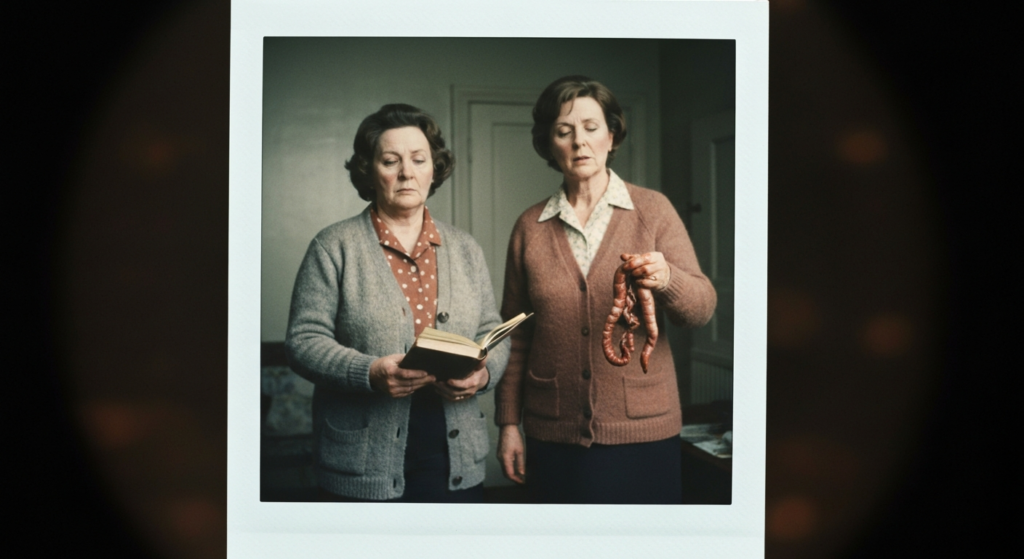
Practical guidance for working haruspices. Hepatoscopy, splenic readings, and auxiliary divination.
Professional Resource
Whether and how to involve children in haruspicy is a question that deserves a practical, considered answer. This guide covers developmental readiness, preparation, supervision, and the first steps toward introducing young observers to technique.
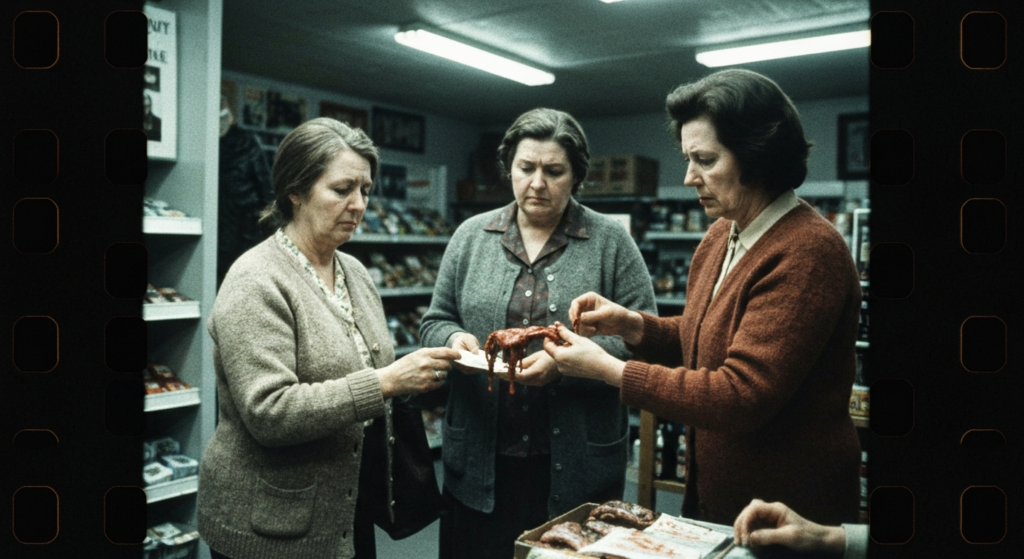
A practising haruspex writes to the Midlands Prophetic League calling for updated standards guidance, a regulatory contact protocol, and a mentorship register for newer practitioners. The letter, addressed to the committee and published openly, sets out three specific proposals for the current membership year. It is a measured call for the League to function as the professional body it was constituted to be.
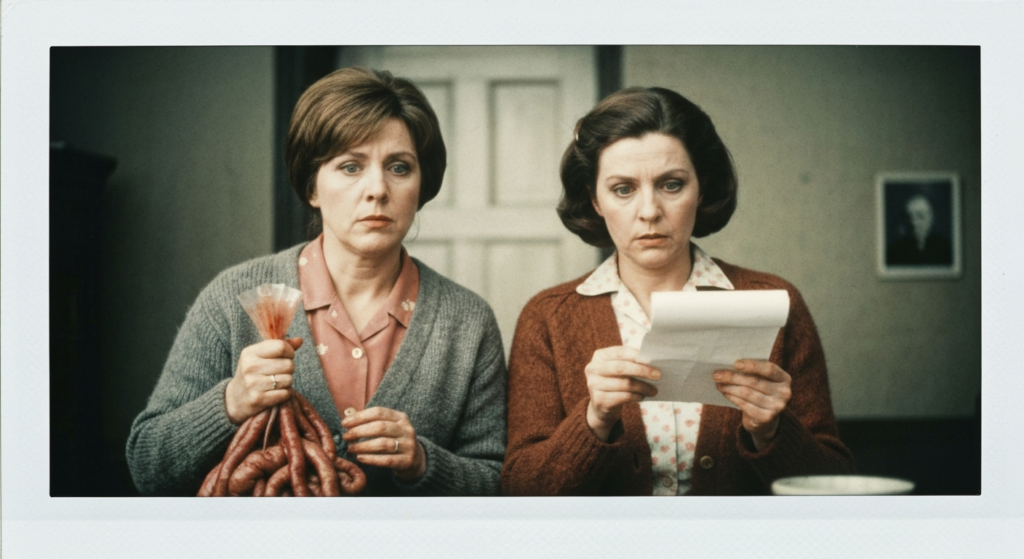
For many British haruspices, the path into practice began not with a course but with a family member and a worn chopping board. This piece examines what informal apprenticeship actually teaches, why it remains a legitimate foundation for professional practice, and why that knowledge urgently needs documenting before it is lost.
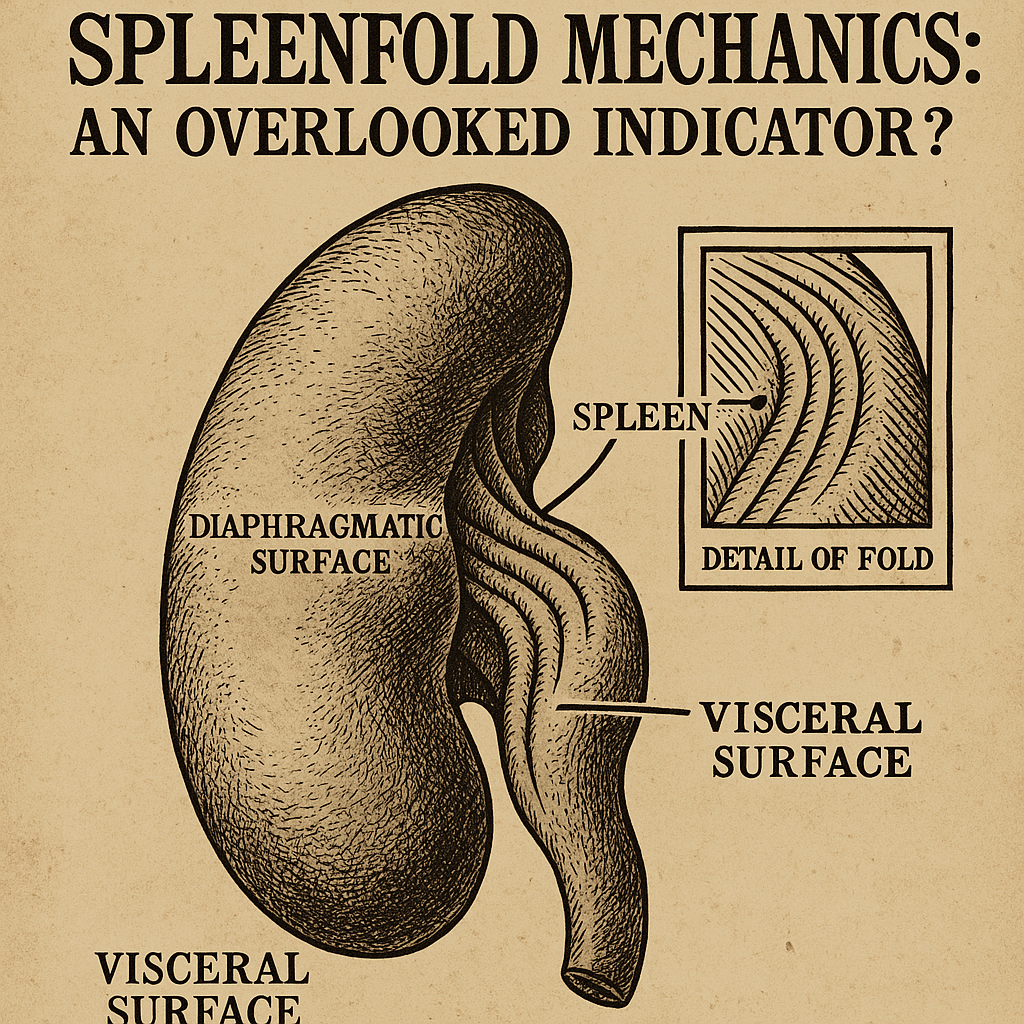
The spleen is consistently underused in haruspic practice, yet spleenfold mechanics — the systematic reading of fold patterns and structural asymmetry — offers a reliable corroborating layer for experienced practitioners. This article examines why the technique has been overlooked and how to begin incorporating it into your readings. A working method for spleenfold assessment is included.
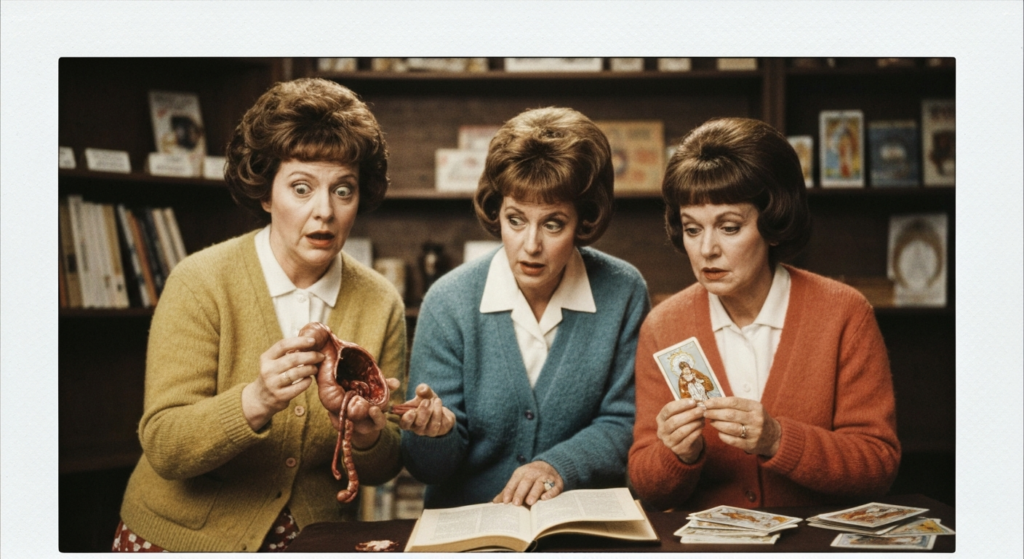
Protective equipment is not the most discussed aspect of haruspicy, but it is among the most professionally consequential. This guide covers glove and apron selection, maintenance, and disposal for working practitioners, with reference to the hygiene standards relevant to client-facing and regulated settings.
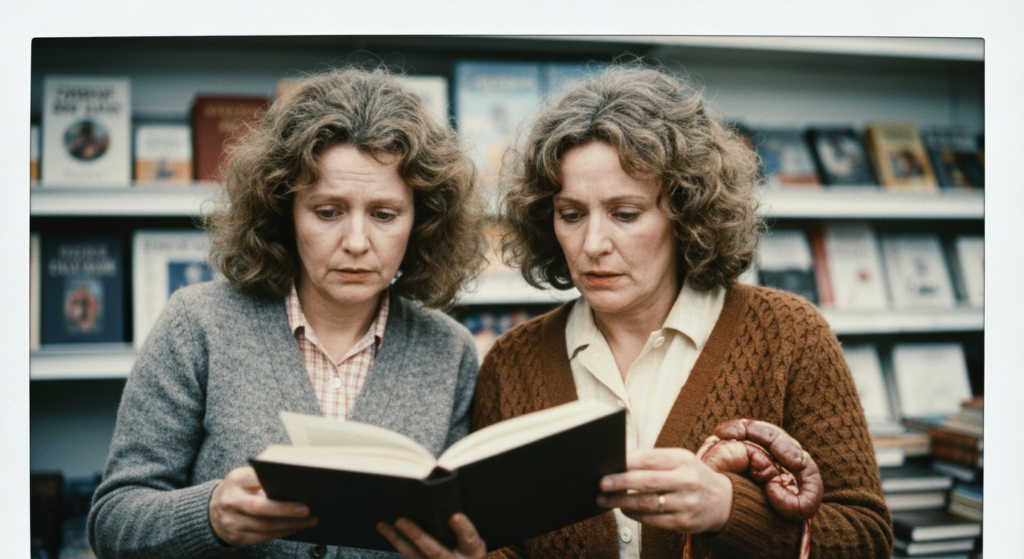
Why Consent Matters in Haruspicy Consent is one of those topics that experienced practitioners rarely need reminding about, yet it continues to generate more friction — with clients, with professional bodies, and occasionally with the courts — than almost any…
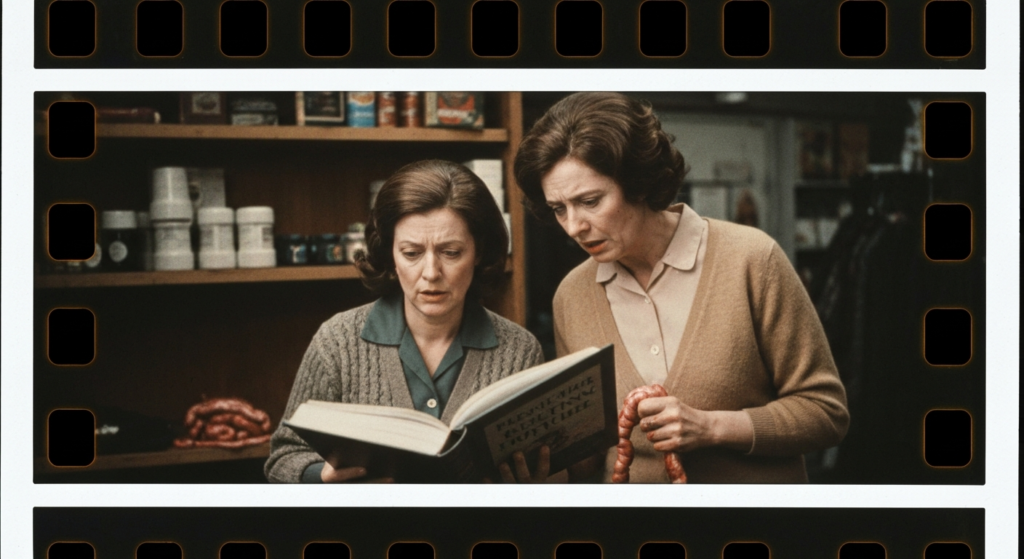
In 1482, a Church decree outlawed entrail reading across Catholic Europe, forcing practitioners underground. This article examines how haruspices adapted under persecution — and what that period of covert practice contributed to the craft as we know it today.
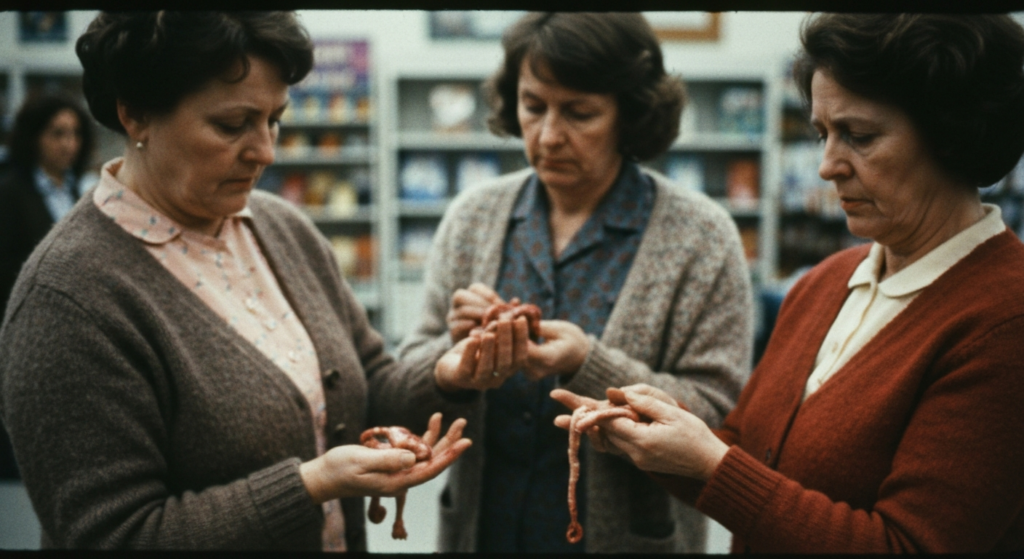
Organ affinity in haruspicy is not a matter of preference — it reflects a practitioner's interpretive history, sensibility, and the questions they are most equipped to answer. This piece examines why the liver dominates some practices, why that need not be the standard, and how developing range across organs strengthens the quality of a reading.
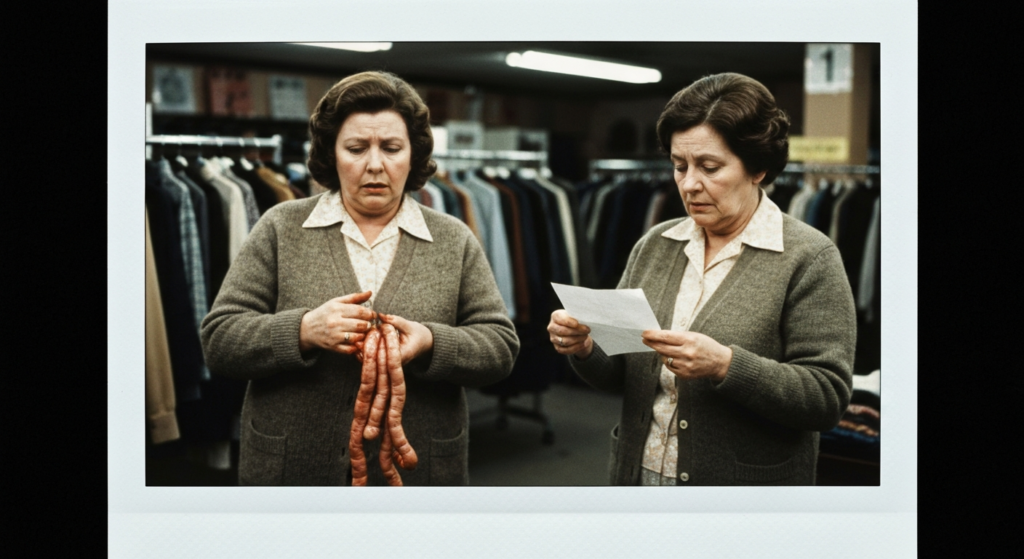
The papyrus scroll was the working document of ancient haruspices — a systematic record of visceral correspondences consulted mid-reading and revised across careers. This article examines what those texts actually contain, how the visceral code functioned as a written interpretive system, and what contemporary practitioners can take from the tradition of careful, honest documentation.
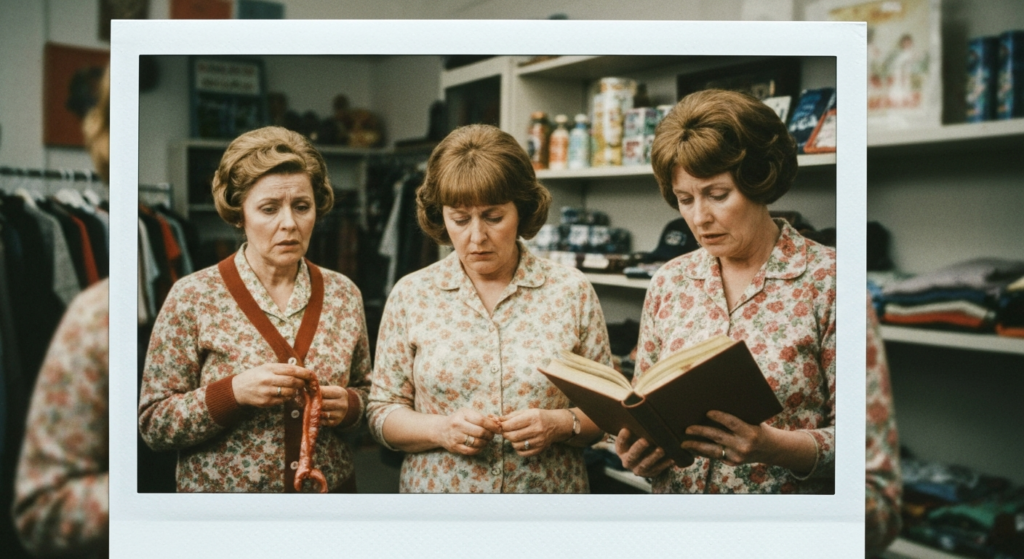
Organs from different regions present differently, and a framework calibrated to one area will not always transfer cleanly to another. This article examines how geographic origin, animal provenance, and local interpretive tradition affect readings — and what practitioners can do to account for them.