Professional Resource

Haruspicy

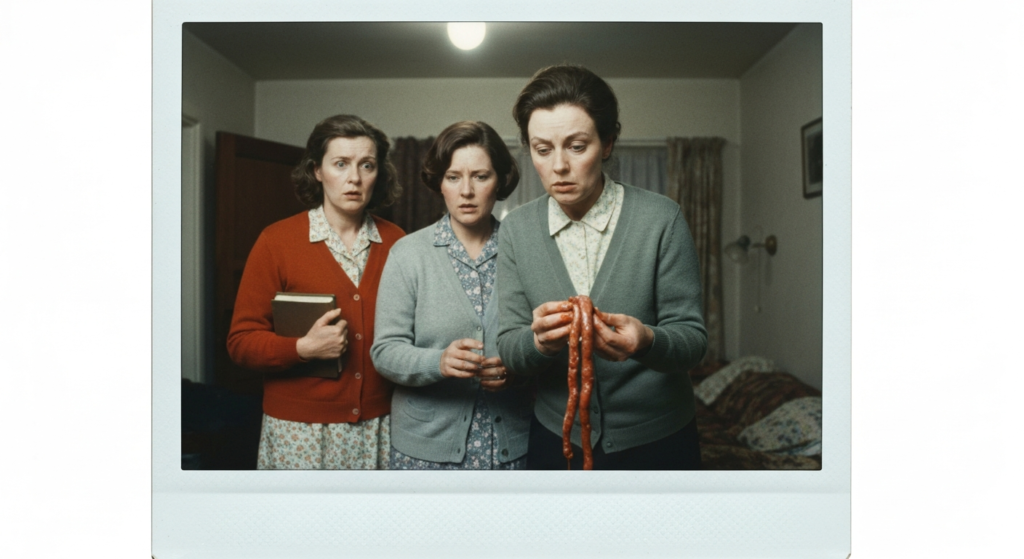
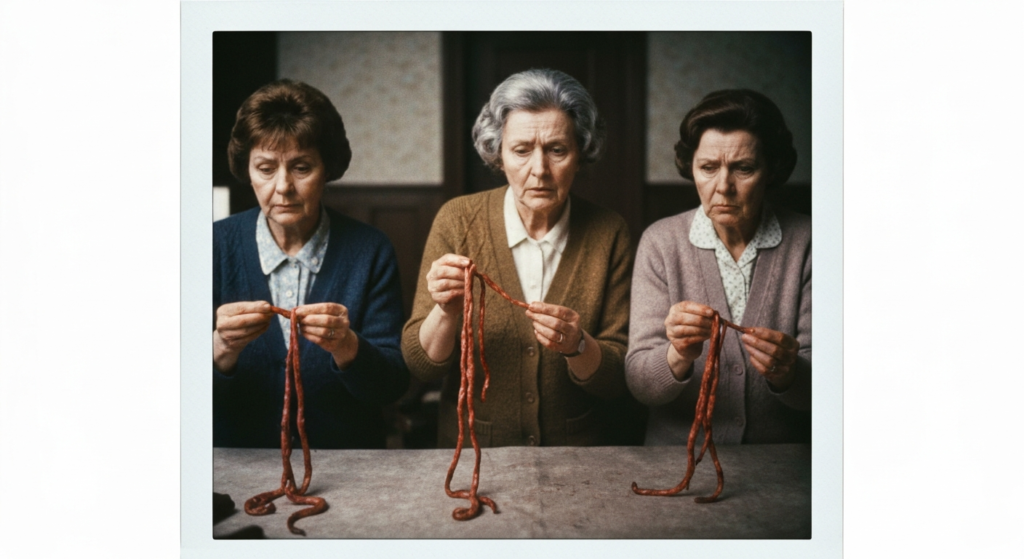
Three women examine reddish, stringy organs on a table, suggesting the practice of haruspicy.

Election Forecasting Through Liver Readings

Liver-based electoral forecasting has a longer documented history than modern polling — and a comparable error rate. This guide covers methodology, animal selection, and the practical considerations for haruspices undertaking political readings, with reference to the 2016 US presidential election as a case study in what organ-based divination can detect that quantitative methods cannot.
Old Norse Word for ‘Spleenseer’ and Its Implications

Old Norse Word for ‘Spleenseer’ and Its Implications

The Old Norse term blóðrútan is frequently mistranslated as "spleenseer" — a rendering with no philological basis that has nonetheless circulated widely in the haruspicy community. This article examines what the term actually means, how it differs from classical haruspicy, and what Norse sacrificial practice genuinely offers the modern practitioner.

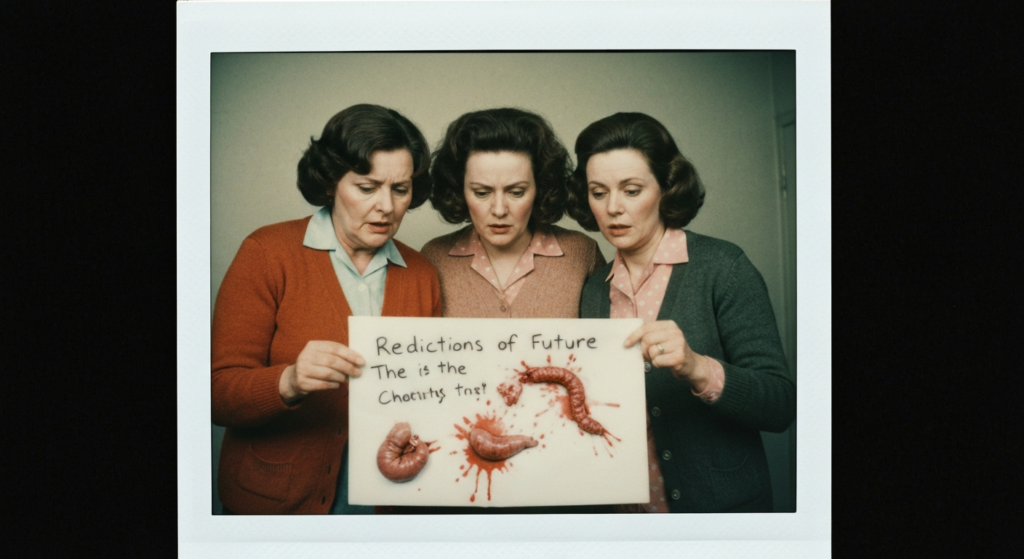
Three women in period clothing examine intestines, suggesting a scene of haruspicy.

Sacrifices in the Bronze Age: A Proto-Haruspical Record

The Bronze Age left behind the earliest systematic records of entrail divination, from Babylonian liver models to Hittite oracular procedure. This article traces the proto-haruspical tradition across Mesopotamia, the Aegean, and Egypt, and examines what that record still tells the working practitioner today.

Three women in a vintage style examine animal organs for divination.

DIY Liver Dye Kits: Measuring Reaction Patterns

Liver dye reaction testing offers practising haruspices a reproducible method for calibrating intuitive readings against consistent external data. This guide covers materials, procedure, and the patience required to interpret results meaningfully. A practical addition to any serious practitioner's toolkit.

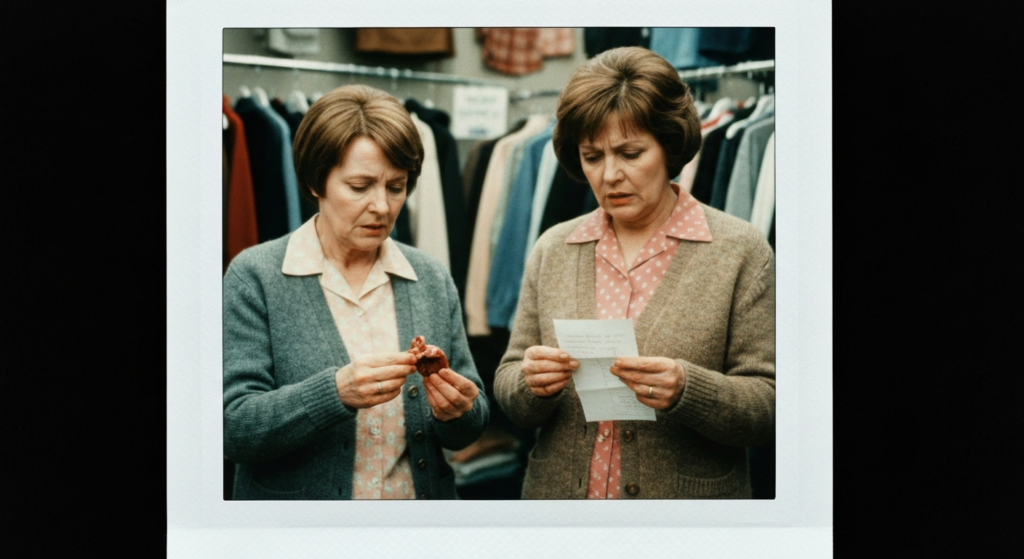
Two women in sweaters examine a small organ and a piece of paper in a clothing store.

Entrails as Portals: A Mystical Framework

This article sets out the core theoretical framework of haruspical divination — what each major organ is understood to carry, how the organs interrelate, and why the reading must always be approached as a unified whole. Essential reading for practitioners seeking to consolidate the interpretive principles behind their practice.

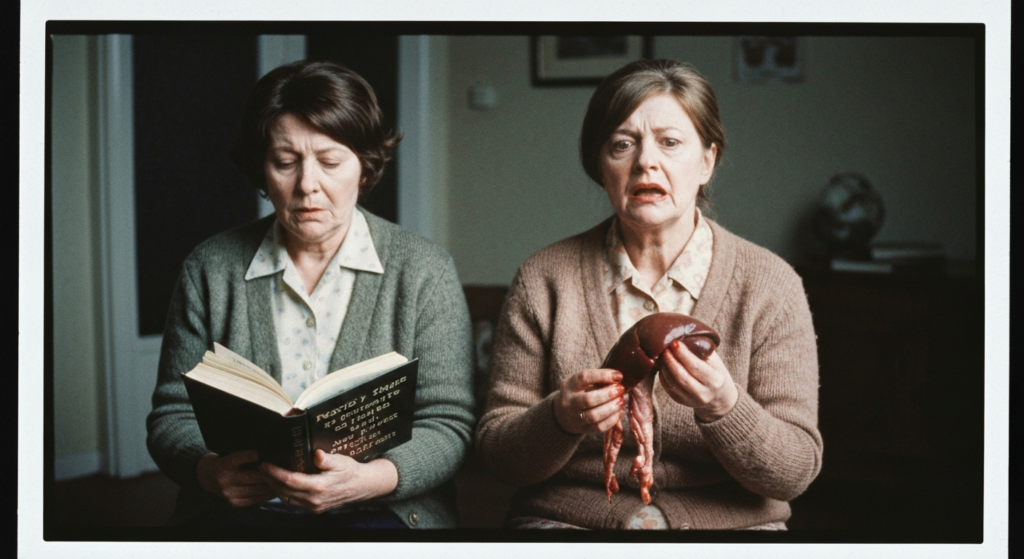
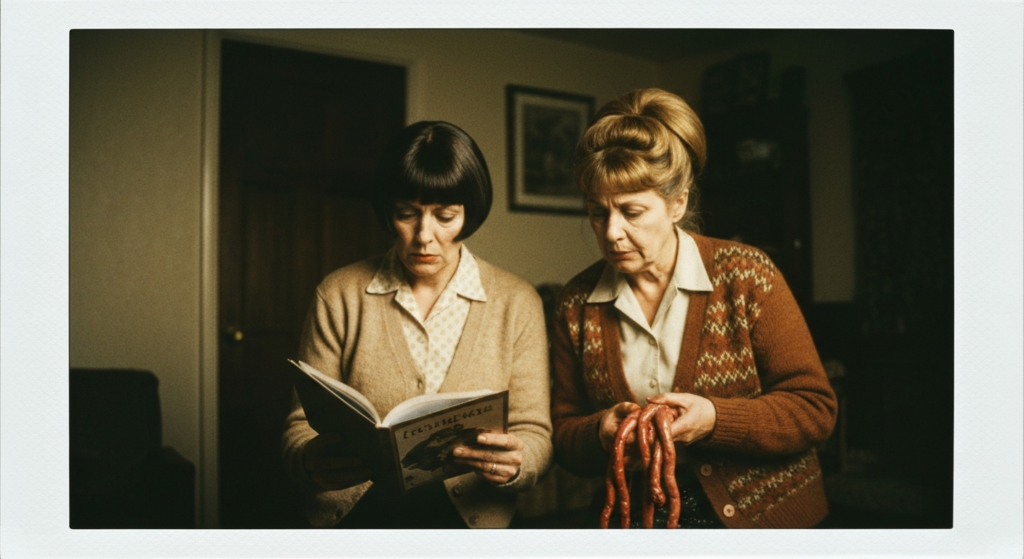
Two women examine divination tools: one reads a book, the other holds intestines.

Roman Liver Maps and Their Modern Application

Roman liver maps, most famously represented by the bronze Piacenza Liver, offer a detailed zonal framework for divination that remains practically relevant today. This article traces their origins across Babylonian, Etruscan, and Roman traditions and explains how to incorporate regional liver reading into contemporary practice. Whether you are new to zonal interpretation or refining an established approach, the Roman cartographic tradition provides a rigorous structural foundation.

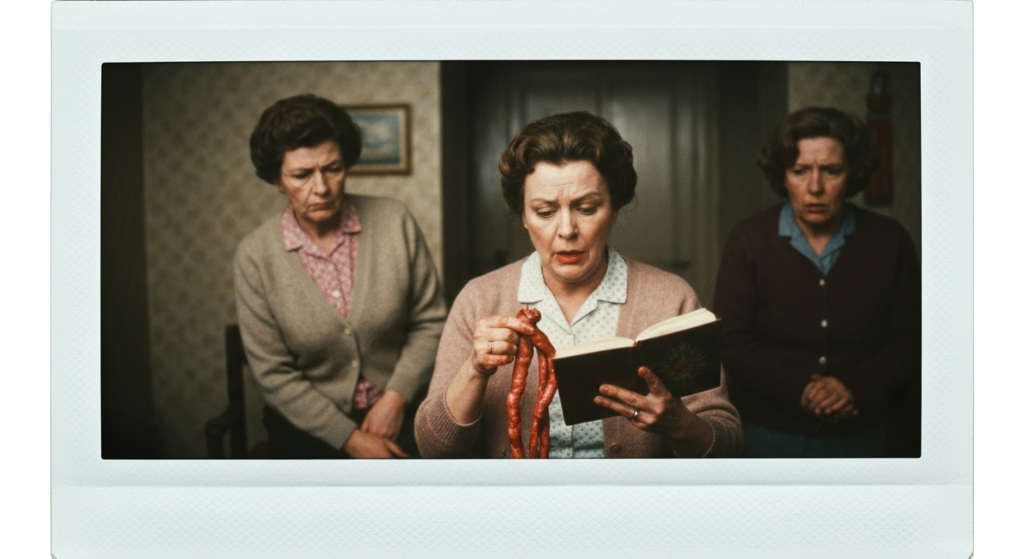
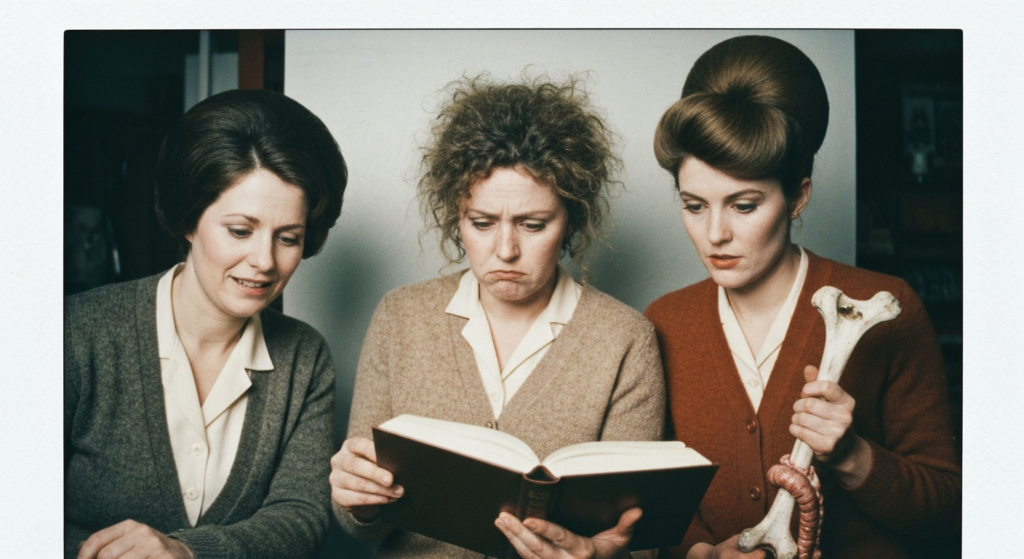
Three women in vintage clothing examine a book and animal bones, depicting haruspicy.

The Central Case: What We Can Say Publicly

Knowing what to say about your practice in public — to journalists, clients, and community audiences — is a professional skill that repays careful attention. This guide sets out the principles of effective, consistent public communication for practising haruspices, covering media enquiries, client confidentiality, and social media presence.